
The Story
Why it exists.
The beginning
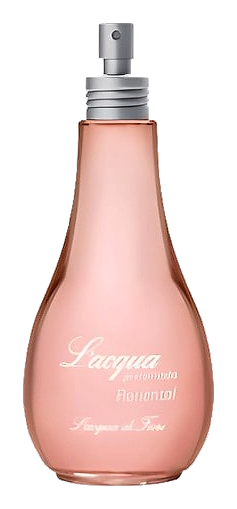
L'Acqua Infantil arrived in 2009 from Italian fragrance house L'acqua di Fiori, a name that translates to the water of flowers. The release fits the house's wider interest in compositions that cross familiar fragrance lines, balancing floral softness, powder, musk, and woods without leaning toward one clearly gendered register. Its idea is immediately intimate. Musk lays down the skin, powder gives the surface a blurred finish, and woody notes bring a quiet structure underneath. There are no verified details about a named perfumer, specific inspiration, or production method, so the composition itself tells the story: a floral-woody musk built around the contrast between freshly smoothed skin and a warmer, darker trail.
The interesting part is the handoff between those three materials. Powder gives L'Acqua Infantil its polished, almost cosmetic first impression, but it never becomes flat or sweet on its own. Musk keeps the center moving across skin, while woody notes add a faint shadow underneath the powder. Together they create a floral-woody musk that feels familiar at first, then gradually less neat. That tension gives the fragrance its character: clean enough for the start of the day, warmer once it has settled into the hours that follow.
The evolution
At the beginning, the composition presents itself through powder and musk, as if the scent has just been brushed over smooth skin. The first impression is soft, close, and lightly sweet. As it develops, woody notes become more apparent, adding a subtle structure that keeps the softness from becoming weightless. Musk remains the connective thread, carrying the fragrance from the polished opening into its warmer middle hours. By the later drydown, the scent feels less like a finishing powder and more like skin warmed by a favorite knit, with a restrained woody sweetness still present. L'Acqua Infantil stays intimate rather than announcing itself across a room.
Cultural impact
L'Acqua Infantil reflects the brand's genre-fluid approach through a floral-woody musk designed for wearers who move between traditionally feminine and masculine fragrance territories. Its powder, musk, and woody profile places it in the early digital era of modern perfume discovery, when compact, easy-to-wear compositions could cross categories without relying on a sharply coded identity. The name and note structure make it especially suited to everyday personal scent, where the reward is subtle closeness rather than spectacle.