
The Story
Why it exists.
The beginning
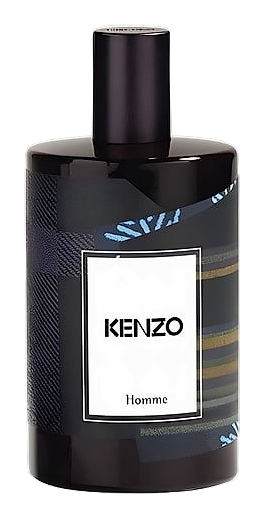
The name says everything: a fresh page. Kenzo marked its 40th anniversary in 2010 with a pair of limited editions that felt like chapters in a story the wearer writes themselves. Created by Christine Nagel and Benoist Lapouza, Once Upon a Time pour Homme was conceived as a woody-spicy composition that opens clean and ends warm, a fragrance with an arc, not just a presence. The black bottle, printed with atmospheric dark imagery, suggested mystery without taking itself seriously. It was limited. It was intentional. It was built for the moment you decide to begin.
What makes this composition interesting is its restraint. Four notes, nutmeg, ginger, vetiver, coriander, and yet the fragrance never feels thin or one-dimensional. The trick is in the balance: ginger provides sharp opening energy, coriander adds green complexity, nutmeg threads warmth throughout, and vetiver anchors everything in dry earth. The powdery accord in the full description suggests Nagel's hand here, that subtle softness that keeps the spices from becoming aggressive and the earthiness from becoming heavy.
The evolution
The opening arrives bright and immediate, grated nutmeg with a clean, almost soapy sharpness that one reviewer compared to fabric softener on warm cotton. Ginger adds a clean heat that doesn't burn. Within twenty minutes, the coriander emerges, lifting the composition slightly, keeping it from feeling dense. The heart is where vetiver takes over, shifting the fragrance from clean to earthy. The scent moves closer to the skin, more intimate. Four to six hours in, vetiver dominates, dry, slightly sweet, undeniably warm. On fabric, it lingers longer. On skin, it stays close. The next morning, faint traces remain, like the ghost of a well-worn shirt.
Cultural impact
Once Upon a Time pour Homme arrived in 2010 as Kenzo marked its 40th anniversary, representing a deliberate departure from the bold, saturated masculine fragrances that dominated that era. Its restrained character challenged prevailing assumptions about what a men's fragrance should project. The nutmeg-ginger pairing created a clean-spicy signature that felt neither aggressively masculine nor overtly sweet, positioning itself in a nuanced middle ground. This subtle approach aligned with shifting workplace norms where overwhelming scent became socially unwelcome. The limited-edition status added exclusivity, making it a collector's piece rather than a mass-market staple.