
The Story
Why it exists.
The beginning
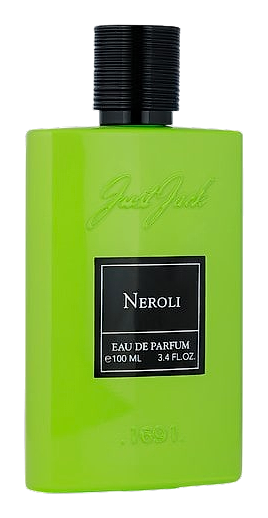
Neroli has a history. Distilled from the blossoms of the bitter orange tree, it carries centuries of perfumery tradition, named, some say, after an Italian princess who wanted her own signature. The note itself speaks of orange blossom water, of bitter peel, of a green floral edge that feels both fresh and intimate. Neroli brings a brightness that opens cleanly, a citrus-adjacent sweetness that isn't quite lemon or bergamot but something softer, more floral. It's a note that can feel delicate on first encounter, yet holds surprising depth when handled with care. The Just Jack interpretation takes that heritage seriously, building around the idea of orange blossom as a central concept rather than an afterthought. For this one, the idea was orange blossom.
What makes the structure interesting is how neroli functions here, not as a top-note cameo, but as the heart that holds the whole composition together. The citrus opens bright and disappears. The neroli stays. That inversion matters in how the fragrance develops. Most fragrances announce themselves and then retreat. Neroli Eau de Parfum plants itself in the middle of the wear and builds outward, florals first, then warmth, then the quiet presence that stays close for hours. It's a composition that unfolds rather than announces, revealing its layers gradually rather than all at once.
The evolution
The opening hits clean. Bergamot, orange, lemon, four citrus voices arriving together but not competing. The lavender threads through early on, adding an herbal softness that keeps the brightness from sharpening into something harsh. Then the handoff begins. The citrus recedes like a tide pulling back from stone. What rises is the neroli, that specific, unmistakable scent of orange blossom water and bitter peel, now held by jasmine in a heart that feels almost cool. Not cold. Just calm. The drydown takes its time. Woody notes and amber arrive last, low and warm, settling into skin-warm territory. As the top notes fully withdraw, the deeper layers emerge more prominently, the fragrance taking on a richer, more intimate character as it continues to develop on the skin.
Cultural impact
Neroli carries weight in perfumery. Traditionally associated with higher-end compositions, it brings a specific character to fragrance: the scent of orange blossom water, bitter peel, a green floral quality that feels both fresh and intimate. This interpretation makes neroli more accessible, presenting the note in a way that feels grounded rather than precious. For someone drawn to floral fragrances but wary of powdery or synthetic associations, this approach offers something cleaner. The composition trusts the note to speak for itself rather than building complexity for its own sake.