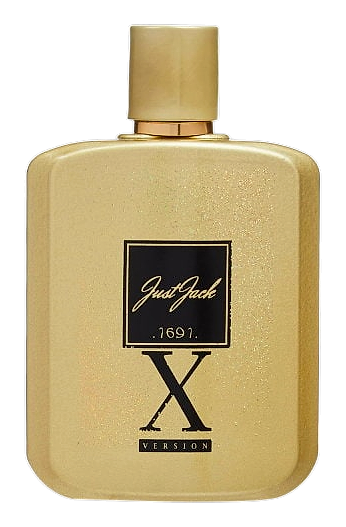
Heritage
A house, in its own words
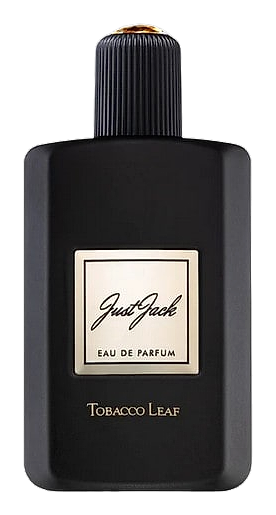
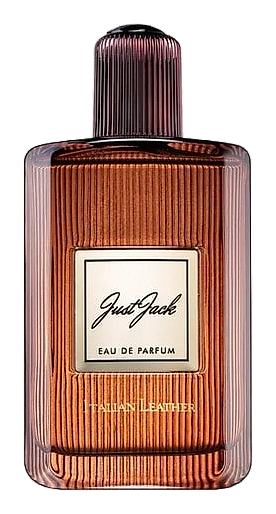
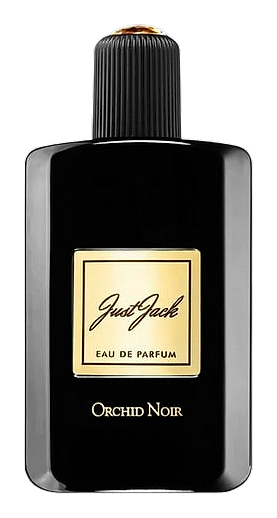
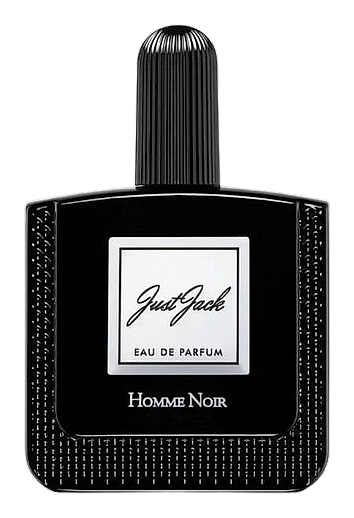
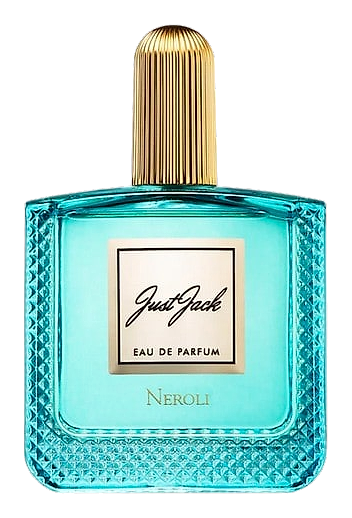
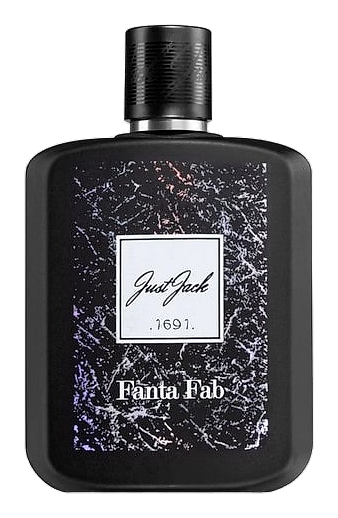
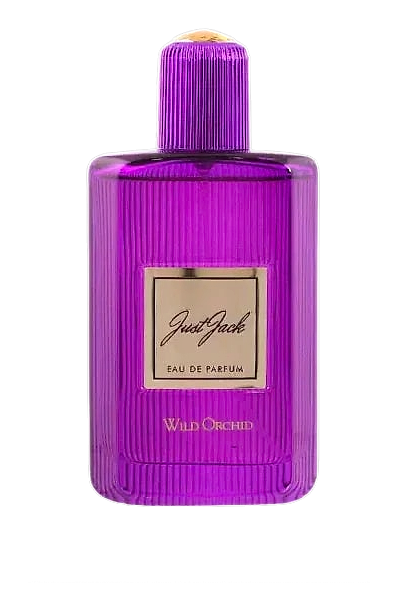
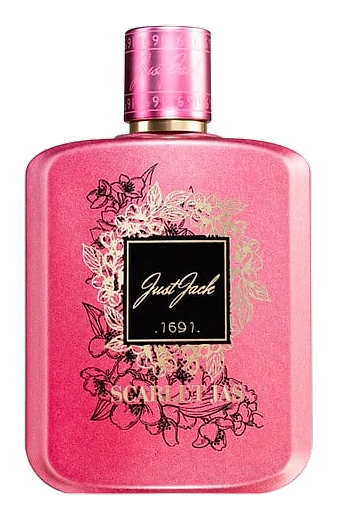
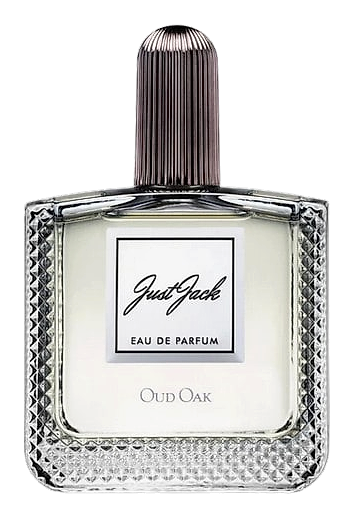
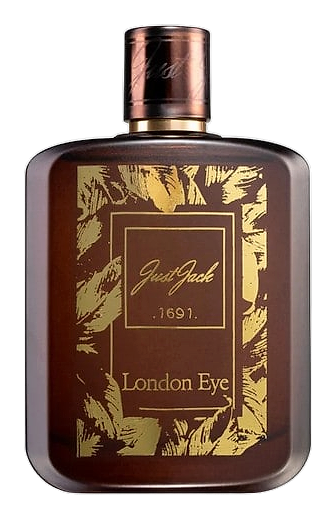
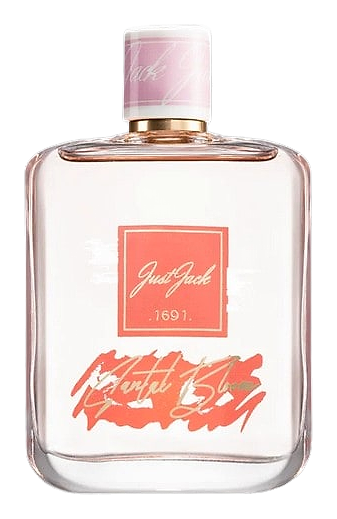
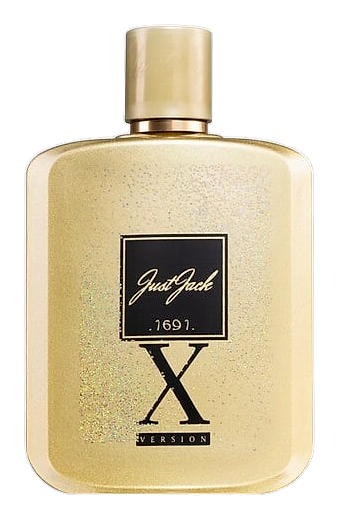
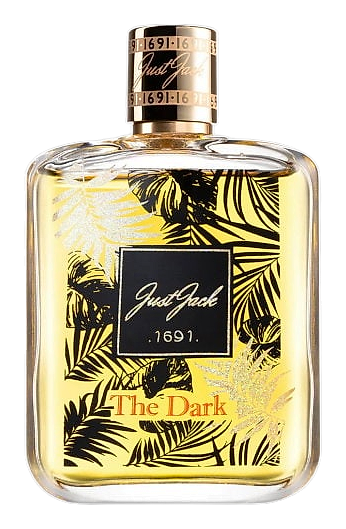
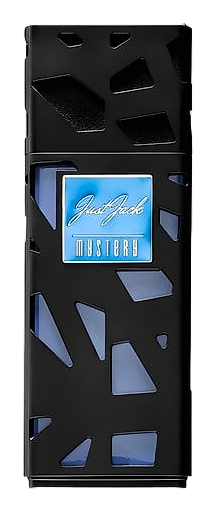
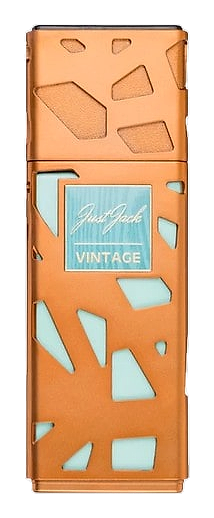
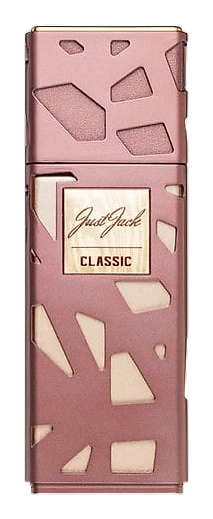
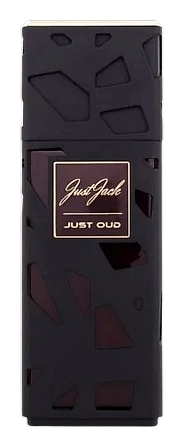
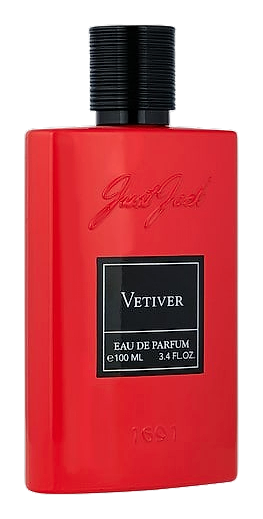
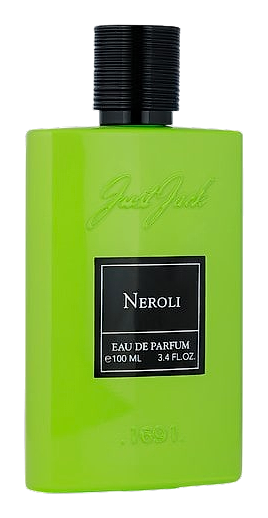
The origin of Just Jack traces back to 2018 when Jane O'Connor, a Dublin‑based entrepreneur, decided to translate family memories into scent. The brand name honors two close relatives named Jack, a detail confirmed by a BJUTIP profile that cites the family connection as the creative spark. Early development partnered with Sterling Parfums, a manufacturer known for supporting emerging houses. The first fragrance appeared in 2019, marking the brand's entry into the competitive niche market. Over the next five years, Just Jack expanded its portfolio steadily, adding scents such as Classic (2023) and a series of 2024 releases including Neroli Eau de Parfum, Tobacco Leaf Eau de Parfum, and Vetiver Eau de Parfum. Each launch was accompanied by modest marketing focused on the scent narrative rather than awards or sales rankings. By 2024 the collection comprised ten distinct unisex offerings, a range that reflects the brand's commitment to versatility and personal expression. Throughout its growth, Just Jack has maintained a direct‑to‑consumer model, leveraging online platforms to reach fragrance enthusiasts worldwide while keeping production anchored in Sterling Parfums' facilities. Just Jack frames fragrance as a personal signature rather than a gendered accessory. The brand's statements, as captured on its own site, emphasize that every individual should have the freedom to choose a scent that aligns with their identity. This philosophy translates into a unisex line that avoids overtly masculine or feminine labeling, inviting wearers to define the experience themselves. Quality and design are treated as inseparable; the brand seeks ingredients that deliver a clear olfactory story while presenting the product in a bottle that feels tactile and refined. Sustainability is not a headline claim, but the partnership with Sterling Parfums suggests adherence to industry standards for responsible sourcing and manufacturing. The overall vision positions scent as a subtle form of self‑expression, encouraging consumers to explore the catalogue as a palette of moods rather than a hierarchy of trends.