The Story
Why it exists.
The beginning
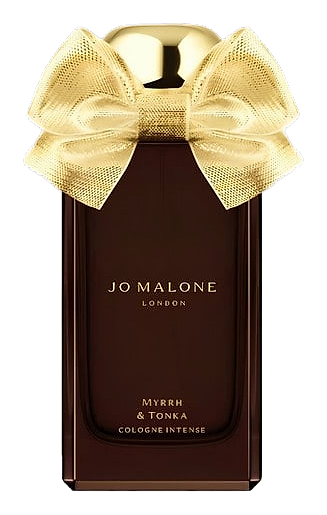
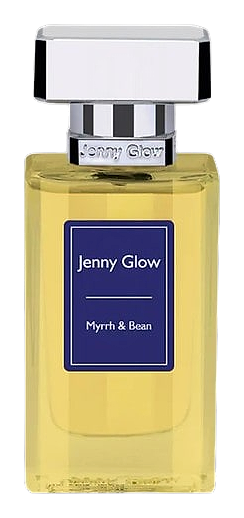
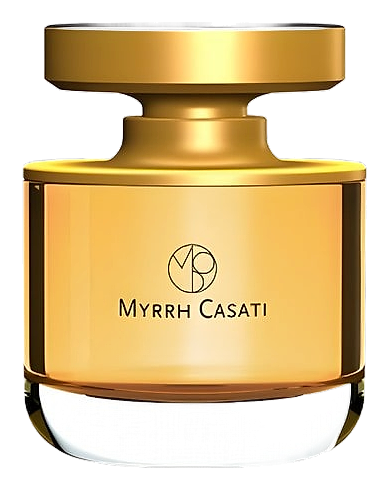
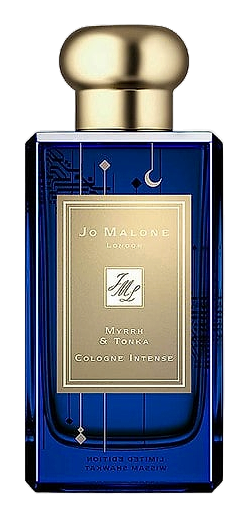
Mathilde Bijaoui's Myrrh & Tonka centers on warmth, warmth that lingers without announcing itself, warmth that settles into skin rather than projecting outward. The myrrh, sourced from Namibia and hand-harvested from the Omumbiri Myrrh tree, carries something ancient in it. Not dramatic ancient. The kind that feels like a memory you can't quite place. The tonka bean provides the essential counterweight: soft, almost edible, a sweetness that never announces itself but stays, adding a quiet depth that grounds the entire composition. It's a fragrance that asks you to lean in rather than lean out. The Cologne Intense collection provided a framework for developing this concept, creating depth and richness within a restrained, intimate composition.
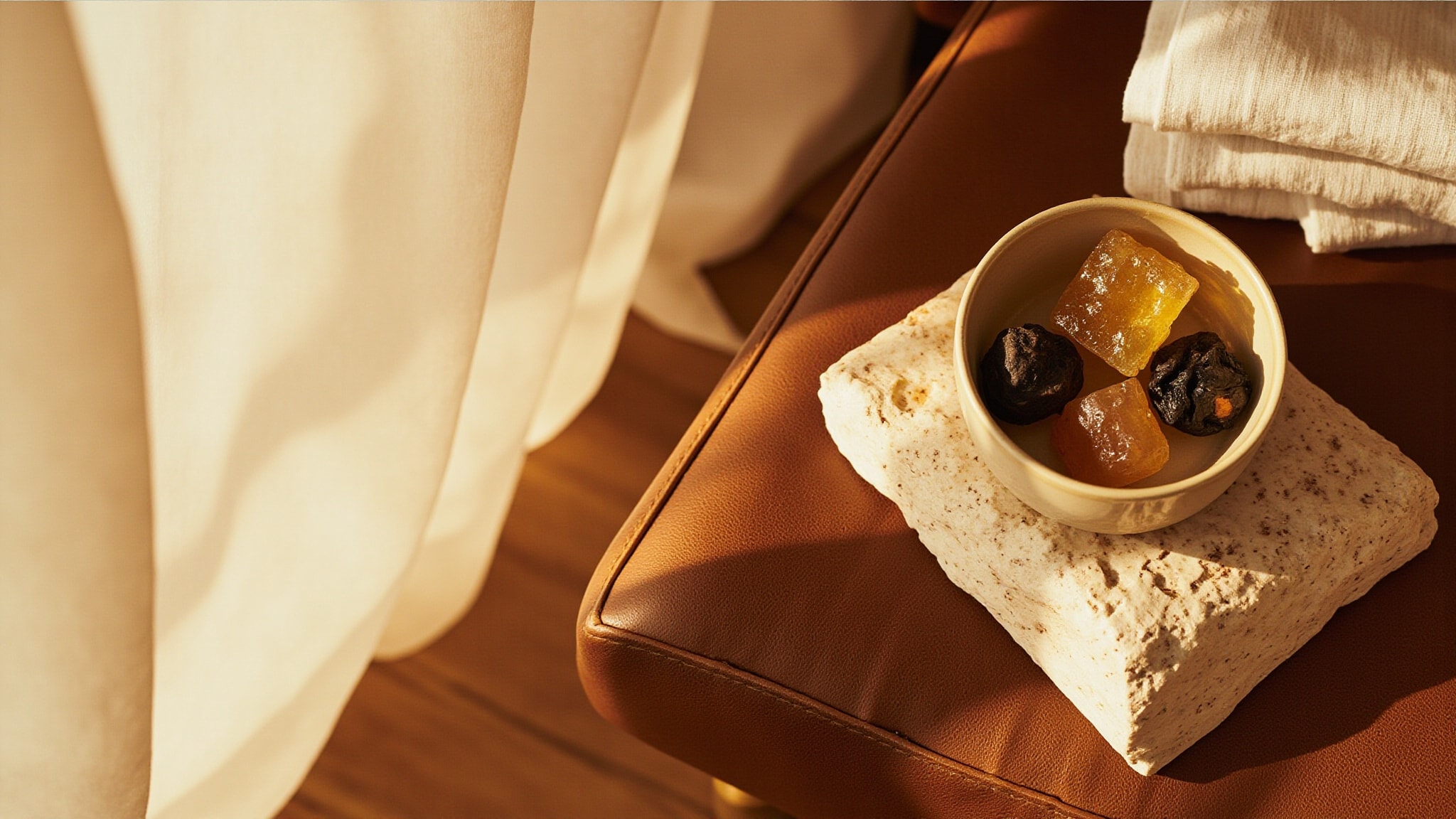
Myrrh and tonka bean together create something unexpected. Myrrh often anchors heavier, more dramatic compositions, orientals, incense-forward scents. Tonka bean pulls in the opposite direction: sweet, vanillic, almost dessert-like. Here, the myrrh softens without disappearing and the tonka deepens without becoming cloying. Namibian myrrh, specifically Omumbiri, carries a warm, slightly medicinal resin quality. It doesn't smell like church incense or old apothecary. It smells like warmth under pressure, like something that's been around long enough to know when to speak.
The evolution
Lavender opens the composition with a clean, herbaceous freshness that feels almost medicinal. It serves as a transition rather than a destination, present but never dominant. As it recedes, the heart reveals itself: warm resin, dusty and slightly medicinal, with an aromatic quality that keeps the sweetness honest. The tonka bean doesn't fight the myrrh here, it makes it more wearable, adding creaminess that softens the edges. By the time the drydown arrives, something softer settles in: vanilla warmth, almond's nutty sweetness, and the myrrh still present underneath, keeping everything grounded. The sillage stays moderate, keeping the fragrance close rather than projecting it across a room. The longevity holds, shifting from aromatic freshness into warm, resinous depth and finally settling into a quiet, intimate drydown that stays close to the skin.
Cultural impact
Myrrh has held sacred status across Arabian and African traditions for millennia, used in incense, religious ceremonies, and traditional medicine. Its transition into modern Western perfumery has typically favored bold, dramatic applications where the resinous material announces itself. This fragrance takes a different direction, developing the myrrh into something that rewards proximity rather than filling a room. The warm, slightly medicinal quality feels ancient, like something that's been around long enough to know when to speak.