
The Story
Why it exists.
The beginning
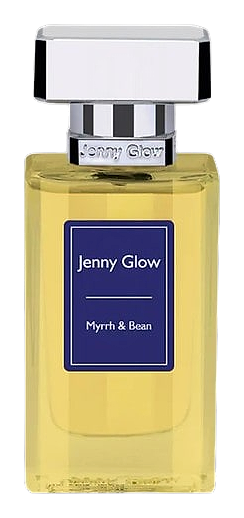
The brief was simple: take two materials that shouldn't work together and make them inevitable. Myrrh, ancient, sacred, dark as a temple's inner chamber, and the warm, edible comfort of roasted nuts. Jenny Glow's creators weren't interested in another floral composition or another citrus freshie. They wanted something that felt like memory. Myrrh carries that weight naturally. It shows up in religious ceremony, in old apothecaries, in the quiet corners of old books. Pair it with the sweetness of tonka and the buttery depth of almond and hazelnut, and something else happens. The resin becomes warm instead of austere. The nuts become almost honeyed. The fragrance stops being a history lesson and starts being a feeling, the one you had before you knew what it was called.
The choice of myrrh as the heart isn't incidental. It's one of the oldest aromatics in recorded history, prized across ancient trade routes, burned in temples, used in embalming. In modern perfumery it reads as dark, balsamic, slightly smoky. It doesn't sweeten easily. It doesn't soften on its own. So the real question becomes: what happens when you let tonka bean, almond, and hazelnut define the finish? You get something that takes myrrh's weight and turns it into warmth. The nuts don't just flank the myrrh, they reframe it. What could have been austere becomes cozy. What could have been heavy becomes grounding. That's the structural decision that makes this fragrance work.
The evolution
The opening announces itself quickly. Lavender arrives first, clean, aromatic, slightly soapy in the best way. Artemisia follows, adding a camphor-green edge that keeps the top from feeling too soft. You've got maybe twenty minutes of this: the herbal clarity before anything heavy arrives. Then the handoff. Myrrh moves in like it owns the place, dark, resinous, the faintest whisper of smoke. The herbal notes don't disappear. They recede, becoming a quiet green undertone beneath the resin. The transition is gradual. You don't notice it happening. By the third hour, the myrrh has begun to soften, and the base notes take over. Tonka bean arrives first, sweet, warm, that distinctive coumarin note that smells like vanilla crossed with tobacco. Almond and hazelnut layer in behind it, giving the drydown an edible quality. Not foodie-sweet. More like the smell of warm skin after someone has been wearing a cozy sweater for hours. The final hours are intimate. Moderate sillage means this fragrance stays close, a skin scent that rewards proximity.
Cultural impact
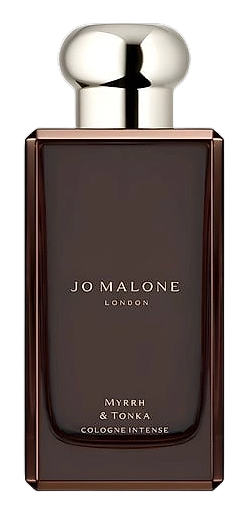
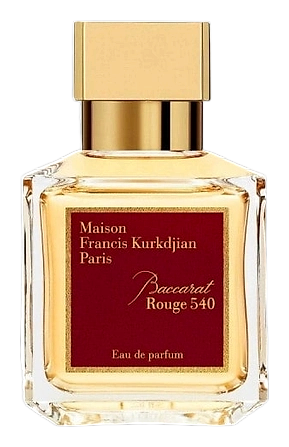
Myrrh & Bean has found its audience among niche fragrance collectors who appreciate its proximity to Jo Malone London's Myrrh & Tonka Cologne Intense but want something with more character at a more accessible price. It occupies an interesting position, positioned as a women's fragrance but worn comfortably across genders, praised for its warmth and for how well it settles on skin. Community reception is warm, with wearers highlighting the cozy drydown and the 8-10 hour longevity as standout features.