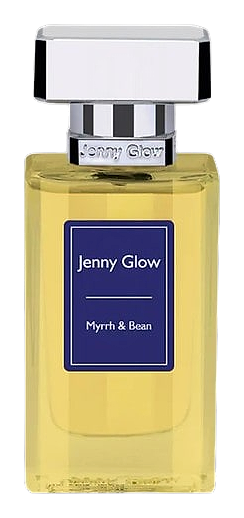
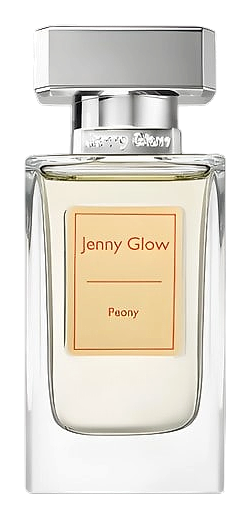
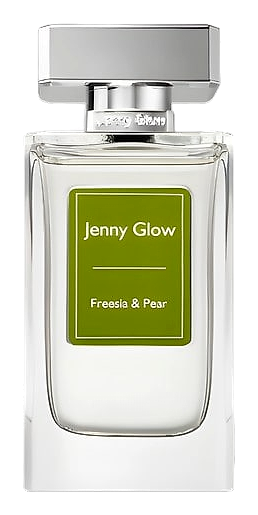
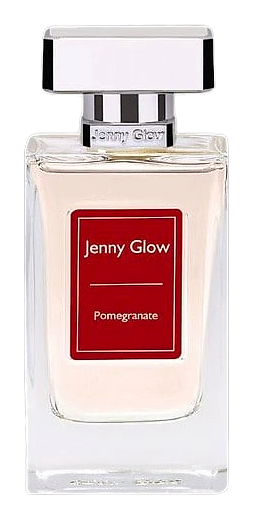
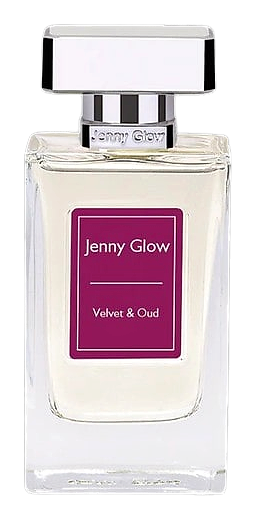
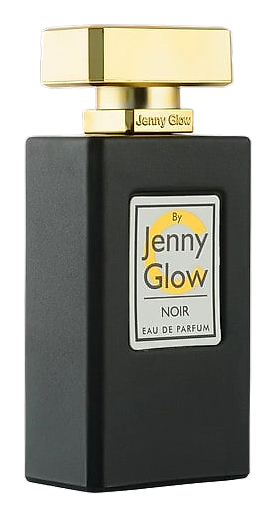
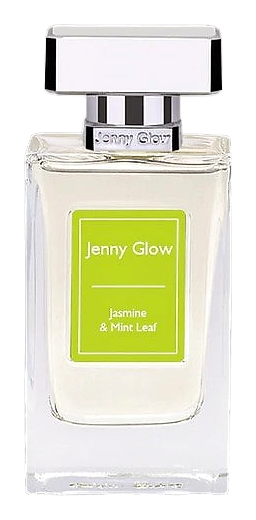
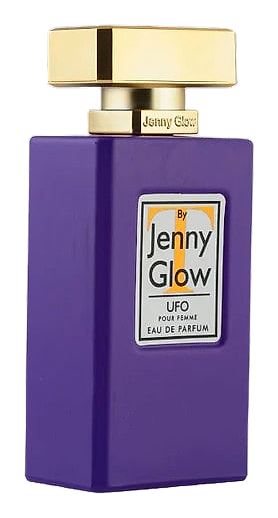
The Heritage
The Story of Jenny Glow
Jenny Glow positions itself as a celebration of scent, drawing on the long tradition of French perfumery while speaking in a contemporary voice. The label releases a steady stream of single‑note and blended compositions such as Noir, Myrrh & Bean, and Velvet & Oud. Each bottle invites the wearer to pause, inhale, and recall a personal memory. The brand’s catalogue balances bright accords like Blue with deeper woods, offering a modest yet curious range for collectors and casual fans alike.
Heritage
The story of Jenny Glow begins in the mid‑2010s, when a small group of fragrance enthusiasts decided to translate their love of classic French houses into a modern, independent label. Reports indicate that the founders met at a perfumery workshop in Paris in 2015 and spent the following year formulating a core set of scents that would become the brand’s foundation. In 2018 the company launched its first fragrance, Noir, a dark, amber‑rich composition that quickly attracted attention from niche‑fragrance blogs. The following year the house introduced Myrrh & Bean, a daring blend that paired resinous myrrh with roasted coffee notes, signaling a willingness to experiment beyond traditional floral or citrus families. By 2020 Jenny Glow announced a shift toward sustainable packaging, replacing glossy plastic caps with recycled aluminum and glass that could be refilled. In 2022 the brand partnered with a family‑run botanical farm in Grasse, securing a steady supply of organically grown bergamot and sage, and it marked the release of Wood & Sage, a scent that highlighted the farm’s terroir. The 2023 launch of Velvet & Oud demonstrated the house’s growing confidence in sourcing rare oud from Laos, while the limited‑edition Freesia & Pear, released in early 2024, sold out within two days of its debut. Throughout its first decade Jenny Glow has remained a small‑batch operation, relying on a network of freelance perfumers rather than a single in‑house nose, which allows each launch to reflect a distinct creative voice. The brand’s evolution reflects a broader trend among independent houses that blend heritage techniques with contemporary values such as transparency, sustainability, and community engagement.
Craftsmanship
Production at Jenny Glow follows a small‑batch model that blends artisanal techniques with modern quality controls. Raw materials arrive from vetted farms in Grasse, the Val de Loire, and Southeast Asia, where growers practice organic or biodynamic methods. The house works with both natural absolutes—such as rose otto from Bulgaria—and high‑purity synthetics that replicate notes difficult to source sustainably, like ambergris substitutes. Formulations are created in a Parisian lab that adheres to ISO 9001 standards; each batch undergoes gas‑chromatography testing to verify concentration levels and ensure consistency across production runs. After blending, the perfume rests in stainless‑steel tanks for a period ranging from two weeks to three months, depending on the composition’s complexity. This maturation allows volatile compounds to harmonize, reducing harsh edges and enhancing depth. Bottling takes place in a family‑owned glassworks near Limoges, where artisans hand‑fill each bottle under a laminar flow hood to prevent contamination. The caps are machined from recycled aluminum and feature a magnetic closure that seals the fragrance against oxidation. Quality inspectors perform a final olfactory evaluation, comparing each finished product to a reference standard stored in a temperature‑controlled vault. The house documents every step in a digital ledger, providing customers with a QR code that links to the batch’s provenance record, reinforcing transparency and trust.
Design Language
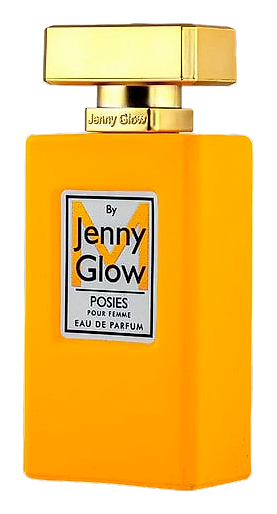
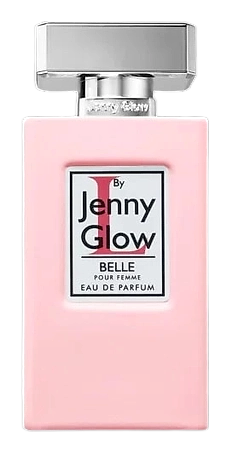
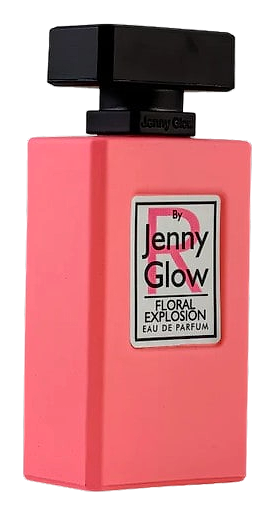
Visually, Jenny Glow adopts a minimalist palette that lets the scent speak for itself. Bottles are crafted from clear, thick glass with soft rounded shoulders, echoing the gentle curves of classic French flacons while shedding ornate detailing. Labels consist of matte white paper printed in a single sans‑serif typeface; the brand name appears in thin, capital letters, and the fragrance title is rendered in a slightly larger weight. A thin line of color—often a muted hue that hints at the perfume’s dominant note—runs along the base of the label, providing a subtle visual cue without overwhelming the design. Caps are brushed aluminum, sometimes tinted to match the accent line, and they close with a quiet magnetic click that reinforces the brand’s emphasis on tactile experience. Marketing imagery favors natural settings: close‑up photographs of the raw ingredients, such as a sprig of sage or a slice of pomegranate, appear against soft, diffused light. Social media assets maintain the same clean aesthetic, using generous white space and short, descriptive captions that focus on the story behind each scent. This restrained visual language aligns with the house’s philosophy of letting fragrance, rather than flash, define the consumer’s encounter.
Philosophy
Jenny Glow frames fragrance as a personal narrative rather than a commercial product. The creators state that every scent should act as a trigger for memory, encouraging wearers to explore how aroma shapes mood and identity. The brand emphasizes authenticity, insisting that each ingredient be listed on the bottle and that sourcing decisions be traceable. Sustainability sits at the core of its values; the house prefers ingredients that can be harvested without harming ecosystems, and it invests a portion of each sale in reforestation projects in the Mediterranean. Inclusivity also informs the label’s direction: the fragrance line includes both gender‑neutral offerings such as Blue and overtly feminine bouquets like Peony, aiming to serve a diverse audience without imposing a binary framework. Creative freedom drives the house’s approach, with each new launch emerging from a brief that invites a perfumer to interpret a story, a place, or an emotion. This open‑ended process results in collections that feel both cohesive and surprising, reflecting the belief that perfume should evolve alongside the people who wear it.
Key Milestones
2015
Founders meet at a perfumery workshop in Paris and begin developing a concept for an independent fragrance house.
2018
Launch of the debut fragrance Noir, marking the brand’s entry into the niche market.
2020
Introduction of recyclable aluminum caps and refillable glass bottles, initiating the brand’s sustainability program.
2022
Partnership with a family‑run botanical farm in Grasse to source organic bergamot and sage for Wood & Sage.
2023
Release of Velvet & Oud, featuring rare Lao oud sourced through a fair‑trade agreement.
2024
Limited‑edition Freesia & Pear sells out within 48 hours, prompting a second production run.
At a Glance
Brand profile snapshot
Collection
1
Fragrances released
Avg Rating
3.7
Community sentiment
Release Rhythm


