The Story
Why it exists.
The beginning
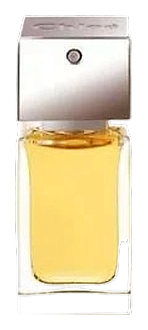
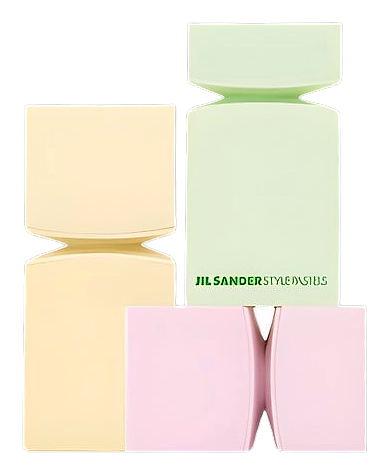
In 2008, Jil Sander released Style Pastels, a trio of flankers built around the original Style composition, each one a pastel riff on the same minimalist core. Bernard Ellena, who had crafted the original Style, returned to interpret the green variation. The brief was simple: take the same structure, shift the mood. Blush Pink went romantic. Soft Yellow went warm. Tender Green went quiet, the quietest of the three, and arguably the most interesting.
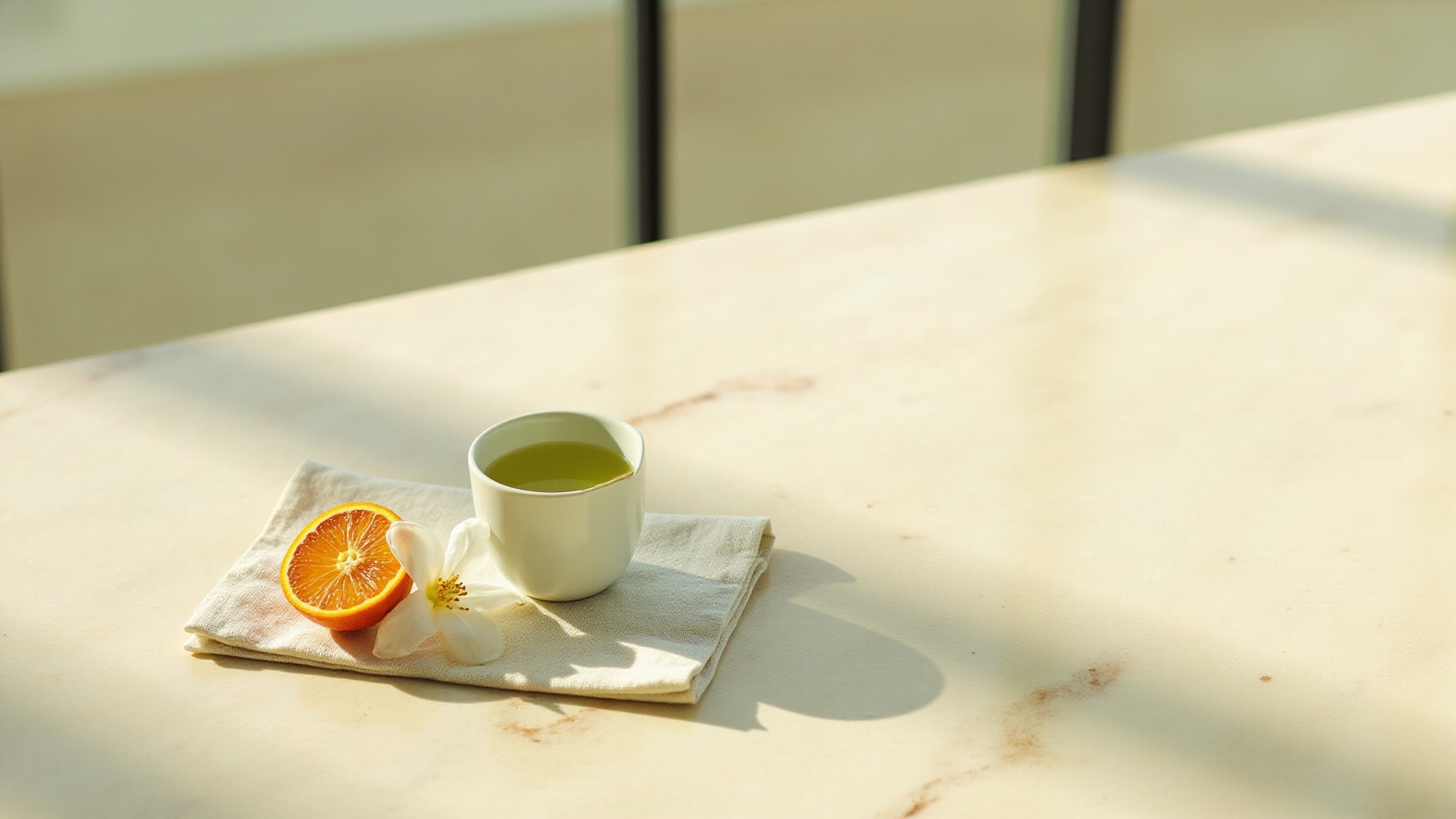
The choice of green tea as the anchoring note is what makes Tender Green stand apart. It's not a common perfume material, and when used without support it can read as medicinal or flat. Ellena pairs it with bitter orange, a citrus that carries weight, not just brightness, and Sambac jasmine, which is warmer and more animalic than its better-known grandiflorum cousin. The musk base does what Jil Sander musk always does: it holds everything close, keeps the sillage moderate, lets the wearer be found rather than announced.
The evolution
The bitter orange arrives first, bright and clean, present for maybe twenty minutes before the green tea takes over. The transition isn't dramatic, more like watching fog roll in than a change of scene. The tea stays for the next few hours, cool and slightly astringent, keeping the jasmine in check. By hour three, the jasmine and musk have settled into something softer, skin-adjacent, the kind of quiet that only exists because everything louder already left. On fabric, the tea note lingers longest. On skin, it's the musk that stays into the next morning, faint, clean, almost not there.
Cultural impact
Tender Green arrived in 2008 as part of a fragrance landscape that was still heavily invested in projection and longevity. The Style Pastels trio, Tender Green among them, offered something quieter, a green floral that didn't need to fill a room to make an impression. It didn't chase trends then, and it hasn't aged into them since.