The Story
Why it exists.
The beginning
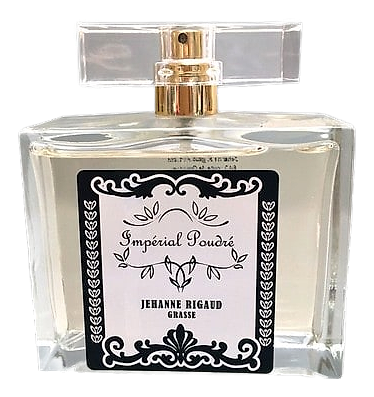
Imperial Poudré was born from Grasse. From the idea that powder, true powder, the kind with weight and history, had been forgotten. Not replaced by something new. Forgotten. Jehanne Rigaud built this fragrance as a quiet argument for classical technique over trend-chasing. The name carries that intent: imperial in stature, poudré in character. This is what powdery meant before it became a stereotype. A perfumer reaching backward through the lineage to find something worth keeping.
The note structure pairs cool against warm deliberately. Bourbon vanilla brings resinous sweetness that could easily tip into confectionery territory. Iris prevents that, its cool, violet-dust character keeps the sweetness grounded. Heliotrope adds an almond-powder nuance that deepens the effect without darkening it. The floral heart of jasmine and rose doesn't perform; it softens. Together, these materials create a creamy warmth that never becomes heavy, because the powdery accord is always there to air it out. That's the technical achievement worth noting: this composition stays feminine without becoming sweet, soft without becoming thin.
The evolution
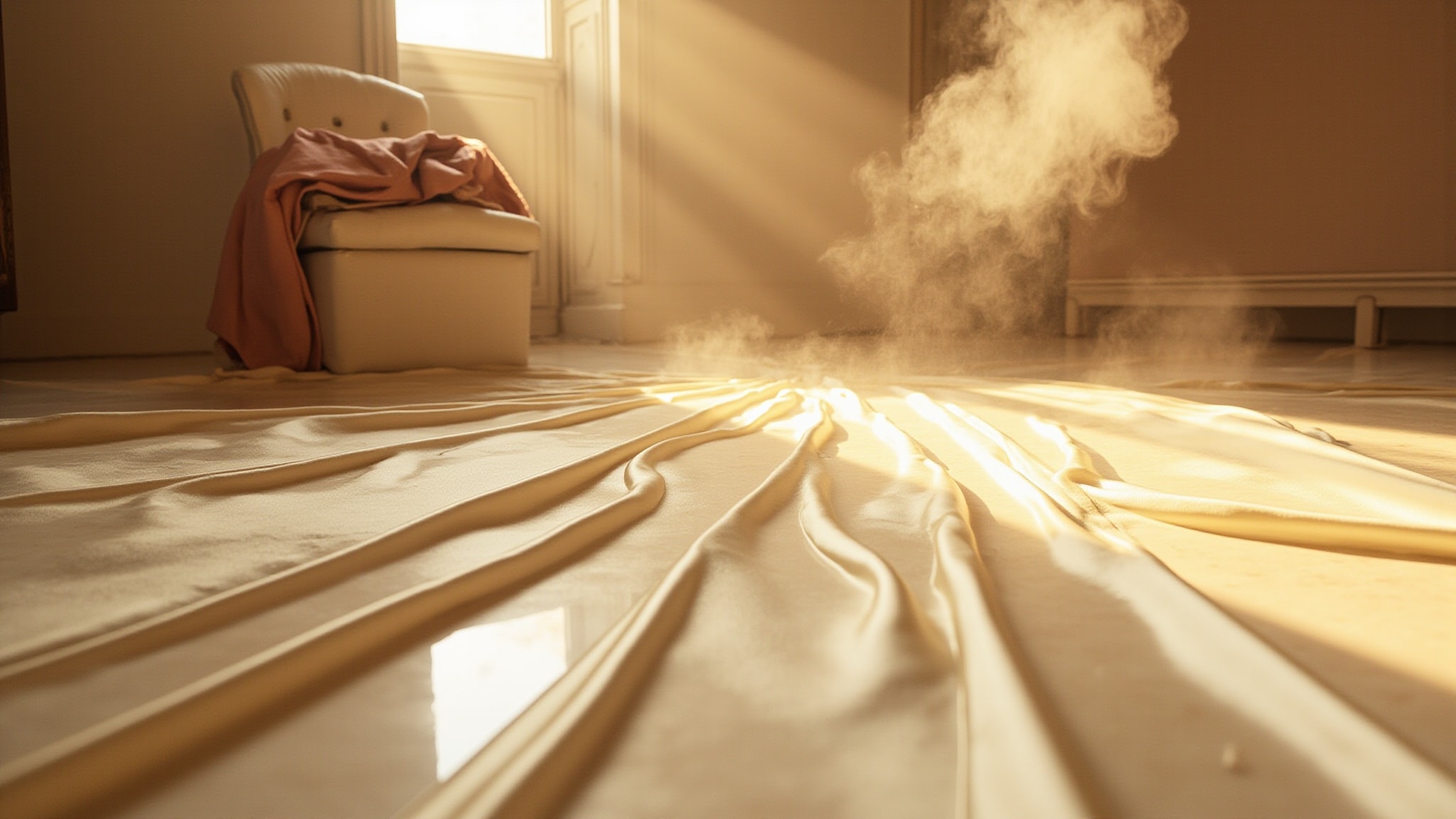
The opening is powder. Not a suggestion of powder, powder, full stop. The kind that catches light, that you can almost see. Beneath it, vanilla begins its slow arrival. Bourbon, not synthetic. Earthy underneath the sweetness. Iris announces itself within the first minutes, cutting cool through the warmth like a shard of violet-colored glass. The transition takes maybe ten minutes. Then the heart: powder and almond, softened by jasmine and rose. The florals don't bloom dramatically; they melt. The composition becomes less of a fragrance and more of a feeling, talcumed skin, close to the surface. By the third hour, heliotrope anchors everything. Vanilla settles into a warm, creamy drydown that stays intimate. Musk reads as skin-warm, not animalic. This is where it earns its longevity. The sillage moderates throughout, never filling a room but never disappearing. Six to eight hours is the honest range, shorter on dry skin, longer on fabric. The next morning, a faint trace of powder and vanilla remains on unwashed fabric.
Cultural impact
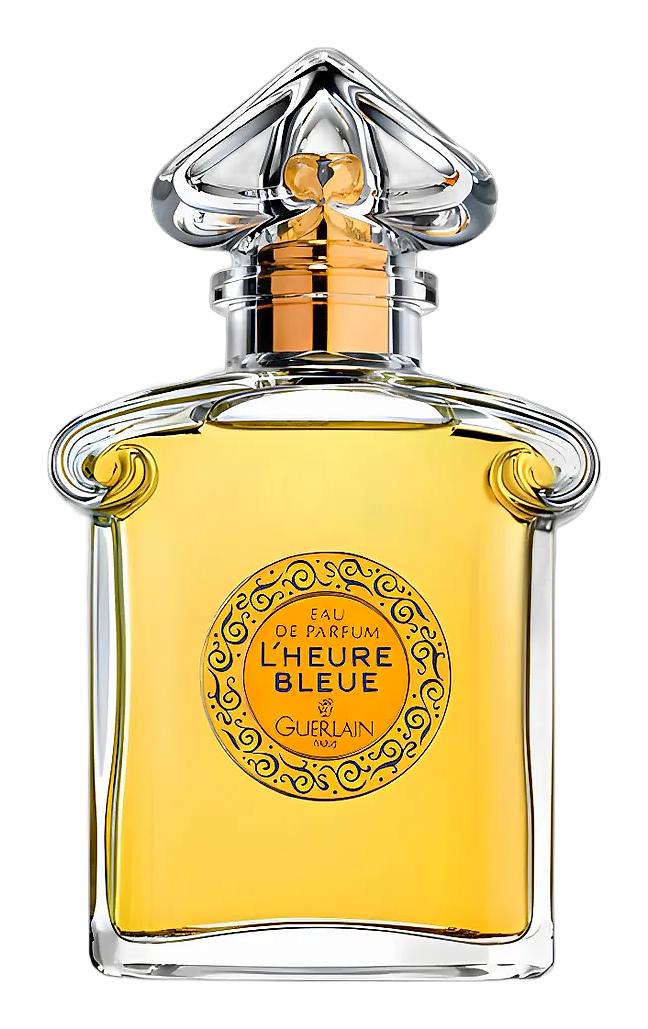
Imperial Poudré arrived in 2015 as part of a quiet revival of classical powdery fragrances, a genre that had receded during the 2000s orientals boom and 2010s fresh aquatics trend. The Rigaud house, tracing its perfumery lineage to 19th-century Grasse, positioned this composition as a return to the feminine, powder-forward aesthetic that defined early 20th-century perfumery. In doing so, it joined a lineage that included Guerlain L'Heure Bleue and Molinard Hiram, though it carved its own territory through its almond-forward heart and restrained projection. The fragrance speaks to a growing collector interest in classical compounding techniques, where deliberate construction and natural materials take precedence over synthetic innovation.