Jehanne Rigaud
Jehanne Rigaud represents one of Grasse's most enduring perfume houses, established in 1854 when Jean-Baptiste François Rigaud acquired the Victoria perfumery. The house built its reputation on methodical craftsmanship, developing signature scents that would carry the Rigaud name across continents by the end of the 19th century. A later generation of the family, trained in the south of France, joined Rigaud and Chapoteaut during the 1890s, taking increasing responsibility for the creative direction that defined the brand's character. In 1917, Rigaud made cosmetic history by introducing face powder and rouge in an oval-oblong case, demonstrating the innovative spirit that ran through the house. The perfumer who would later shape modern Jehanne Rigaud compositions began his career not in a fragrant garden but in a laboratory, joining Chanel's Fragrance Laboratory as a chemist in 1973. Self-taught in the art of composition, he approached fragrance as an explorer charting unknown territory, developing the distinctive perfumes that would carry the house into contemporary relevance. With 54 known fragrances in the house's catalog, the perfumer has maintained the Grasse tradition while evolving the Rigaud identity for new generations of wearers.
The hits
Notable creations

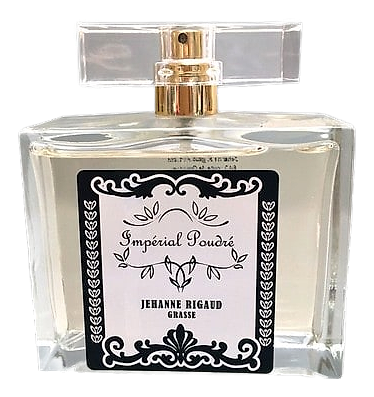
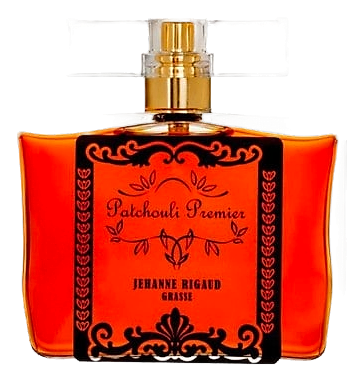
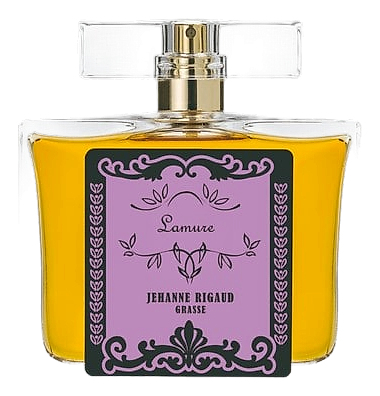

The signature
How Jehanne composes
The Rigaud house style balances classical French elegance with a certain warmth that has become its hallmark. The brand developed particular expertise in powdery compositions and rich, enveloping florals that felt intimate without becoming heavy. Vanilla accords have featured prominently in recent work, with Vanille Blonde demonstrating the house's ability to render sweet notes with sophistication rather than simplicity. The perfumer's background in chemistry manifests in precise execution and technical mastery of accords, while the self-taught approach brings an unpredictability that keeps compositions from feeling formulaic. Ingredients tend toward the classic: rose, jasmine, and sandalwood appear frequently, treated with the time-honored Grasse methods of enfleurage and cold extraction that preserve delicate top notes.
Philosophy
What drives Jehanne
The Rigaud approach has always centered on patient observation rather than rapid creation. Rather than chasing trends, the house traditionally waited until a fragrance felt truly resolved before release. This measured philosophy manifests in compositions that favor depth and development over immediate impact. The self-taught perfumer who shaped modern Rigaud describes his method as wandering through scent as an explorer, following intuition rather than rigid formulas. This exploratory stance allows room for unexpected combinations while maintaining the structural discipline learned at Chanel. The house rejects the pressure of constant novelty, preferring to refine and perfect over extended periods of development.
The houses