
The Story
Why it exists.
The beginning
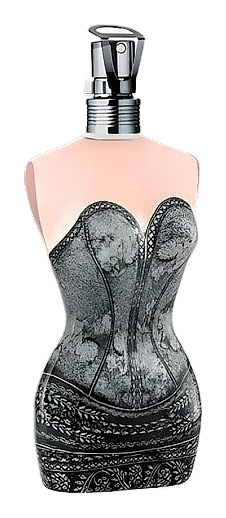
Classique Autumn Winter arrived as part of Jean Paul Gaultier's ongoing conversation with the idea of feminine fragrance. The house had already established itself as a master of provocation with the original Classique, but this seasonal variant found its own territory, deeper, warmer, designed for the textures and temperatures of cooler months. The composition builds around a tension that runs through all of Gaultier's work: something soft, something sharp, worn by someone who refuses to choose. The opening arrives with aniseed warmth, cool and slightly medicinal at first spray before settling into something more familiar and comforting.
What makes this composition interesting is how it uses contrast as structure rather than decoration. Star anise isn't a supporting player here, it's the opening statement, the thing that tells you immediately what kind of fragrance this is. The rose that follows doesn't soften it so much as complicate it. African orange flower and ginger add warmth without becoming dominant, a middle passage that holds the tension rather than resolving it. By the time vanilla and amber arrive, the fragrance has already made its case: this is for people who want something with a point of view.
The evolution
The first spray hits sharp and aromatic, star anise cutting through like cold air on skin. Within minutes, the rose arrives, sweeter than expected, tempering the licorice cool with something almost velvety. The handoff between opening and heart is fast; this isn't a fragrance that lingers in transition. Ginger and African orange flower establish themselves as a pair, warm and slightly spicy, while the vanilla underneath begins its slow work. By the second hour, the drydown is all amber warmth and vanilla softness, the kind of skin scent that stays close, that someone leaning in will find rather than announce itself across the room. On fabric, it lasts well into the next day.
Cultural impact
Classique Autumn Winter occupies an interesting space in the Gaultier lineup, neither the house's most famous scent nor its most niche. The aniseed opening offers a departure from the expected, stepping away from the fruity or citrus-led profiles that dominate warmer seasons. The overall warmth makes it a reliable recommendation for anyone seeking autumn and winter fragrance that doesn't default to heavy or cloying, instead offering complexity and nuance that rewards repeated wearing.