The Story
Why it exists.
The beginning
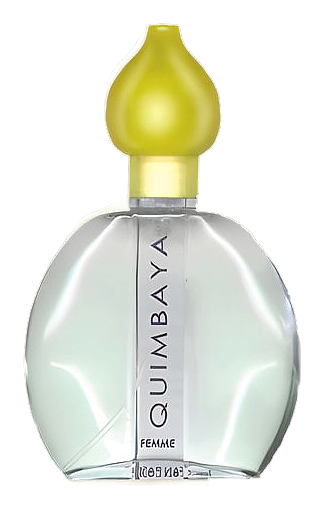
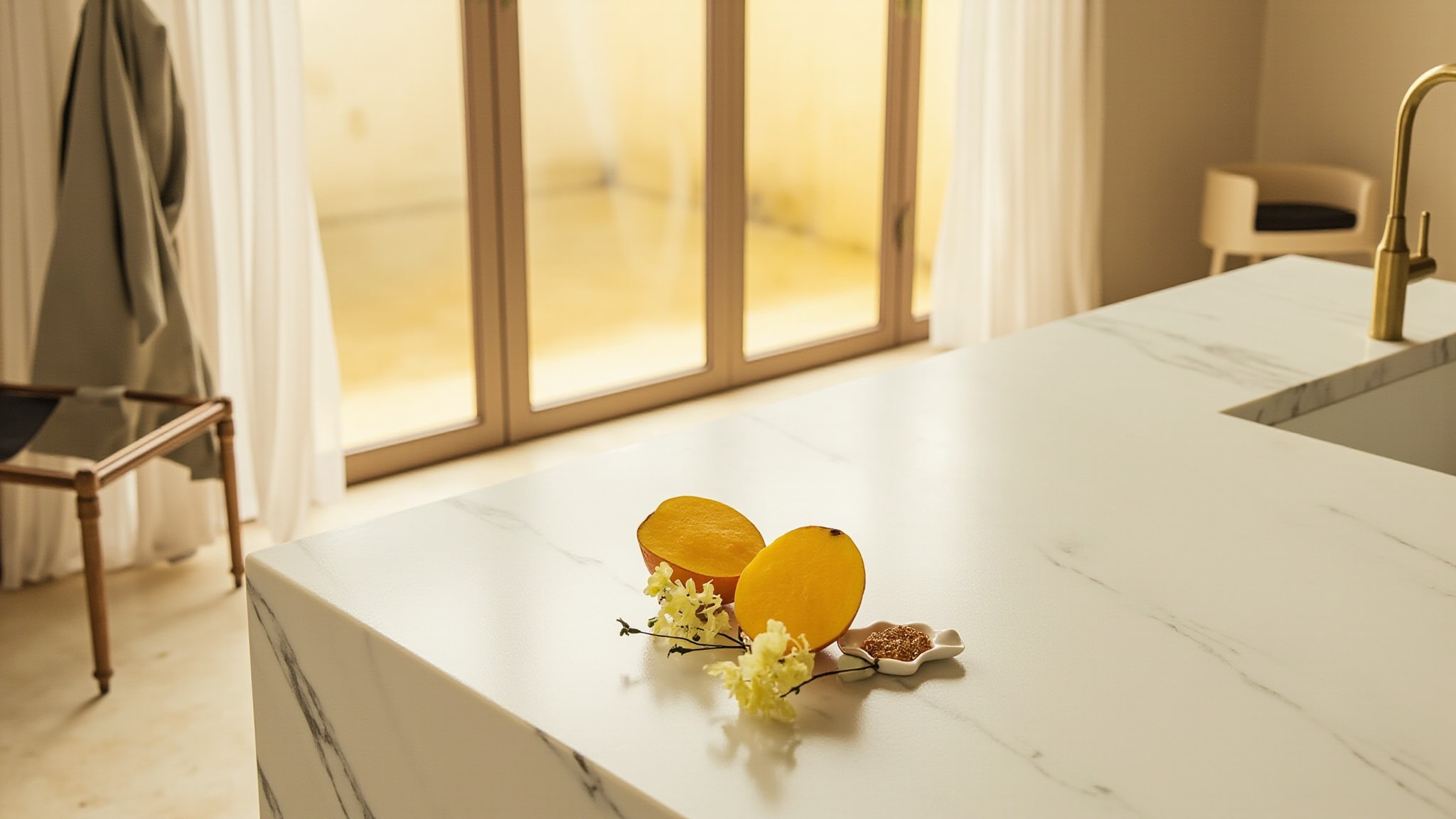
Quimbaya pour Femme arrived in 2002 as one half of a paired release by Jean Pascal, paired with its masculine counterpart. The Quimbaya name was chosen for the line, and the feminine edition took on its own character through a fruity-floral composition built around magnolia, pear, tangerine, black currant, mimosa, mango, and jasmine. It reads as a women's fragrance designed to stand alongside the men's version rather than mirror it, a deliberate counterpart in a duo. The scent leans into a blend that mixes tropical fruit with creamy white florals and a soft green-edged sweetness from the black currant, aiming for something that feels feminine without leaning on the heavier florals or orientals that dominated late-1990s launches.
What makes this composition worth noticing is how the fruity opening sits against a heart built from magnolia and mimosa, two florals that pull against the sweetness of the top in different directions. The magnolia brings a creamy, lemony fullness, while the mimosa adds a powdery, almost honeyed dusting that takes the edge off what would otherwise be a strictly bright, sugary register. Where many fruit-florals of the early 2000s collapsed into pure confection, Quimbaya pour Femme folds in mimosa's quiet softness and magnolia's rounded weight to give the blend a middle that has body.
The evolution
The opening belongs to the fruit: mango and pear read as sweet and almost edible, with a citrus brightness threading through from tangerine that makes the whole top feel lifted rather than heavy. Black currant adds a soft green-edged tartness underneath, the kind of note that keeps the sweetness from feeling flat and pushes the fruit toward something juicier and more layered. Then magnolia and mimosa take over, and the composition shifts from fruit-shop sweetness to something more floral and golden, a gentle powder starting to settle on the skin. This is the longest phase of the wear, the heart that defines how the fragrance reads for most of its life. As the hours pass, the base notes surface, a quiet softness from the musk and the lingering skin-warmth of the florals, a subtle transition that catches you by surprise because the bright fruit from earlier feels long gone.
Cultural impact
Quimbaya pour Femme occupies a particular place in early-2000s fragrance: a fruit-floral that leans into tropical fruit and creamy white florals at a moment when many launches were circling similar territory. It carries the sweetness in the top, powdery florals in the heart, and a base that gives it weight and keeps it from disappearing into pure sugar. Wearers who discover it describe a comfortable, daytime warmth, the kind of scent that suits a warm afternoon and never tries to dominate a room. It rewards curiosity more than hype, and it offers a clear identity rather than a copy of a more established house's recent hit.