
The Story
Why it exists.
The beginning
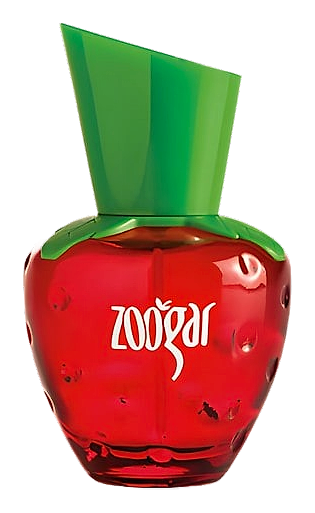
Zoogar offers a fragrance that feels approachable and warm, without demanding you perform confidence. It simply lets you carry a little summer with you. The name itself sounds like a place you've been meaning to visit. The scent is the kind you reach for when you want to feel put-together without effort.
The note structure is what makes Zoogar work. Four top notes, blackberry, raspberry, plum, and grapefruit, work together in sequence. The grapefruit cuts the sweetness before it becomes cloying. Then the heart arrives: freesia and peony, both soft florals that don't compete with the fruit. The base is where Zoogar becomes something you'll want to reapply: sugar and vanilla create warmth, musk keeps it grounded. It's a composition that balances its materials carefully, letting each element have its moment.
The evolution
Zoogar opens bright and tart. The raspberry and blackberry hit immediately, with the grapefruit adding a citrus lift that keeps everything feeling fresh. Then the florals arrive, peony first, then freesia, softer and sweeter. The fruit doesn't disappear; it recedes into the background while the composition deepens. By the later stages, you're in the drydown: vanilla and musk, close to the skin, intimate. The sugar note is what lingers longest, a faint sweetness that stays on the skin. It wears close to the body.
Cultural impact
Zoogar sits comfortably in the fruity-floral category. It's not trying to reinvent anything. It's just doing what it does well: offering a sweet, approachable scent. Wearers gravitate to it for casual settings, daytime wear, and the kind of moments when you want to smell good without overthinking it.