The Story
Why it exists.
The beginning
In 2024, Issey Miyake handed perfumer Marie Salamagne a brief with a single word: solar. The challenge was to take that philosophy and inject it with genuine warmth. Salamagne turned to violet, a note with a quiet intensity that offered something unexpected. Pear would open the composition with juicy clarity, creating space for the violet leaf absolute to arrive clean and bright, and iris would anchor everything in that smooth, silken finish that Miyake fragrances are known for. The combination creates a violet that feels luminous and alive, something that speaks to warmth without abandoning the cool clarity that makes the note distinctive.
Violet leaf absolute takes a leading role here, a choice that brings an unexpected freshness to the heart of the fragrance. The material carries a quality that reads almost as aquatic, its green and watery qualities creating a transparent effect without any actual water note. That's the logic at work: the material itself carries the concept rather than a marketing label. The iris in the base does something different. Where violet leaf is green and transparent, iris is powdery and warm.
The evolution
The opening is pear and nothing else, clean, almost translucent sweetness that arrives without ceremony. There's no sharpness, no citrus spike. Just fruit and air. As the fragrance develops, the violet leaf absolute takes its place in the composition, and the character shifts from green-fruity to luminous-floral. The violets here don't smell like an old powder compact. They smell like violet stems in sun, alive, slightly dewy, unmistakably violet but not nostalgic about it. The transition happens gradually; there's no dramatic hand-off, just a slow settling. The iris arrives softly, adding warmth and rounding everything out, creating depth without weight. The drydown stays close, this is not a fragrance that announces itself from across the room. It rewards proximity.
Cultural impact
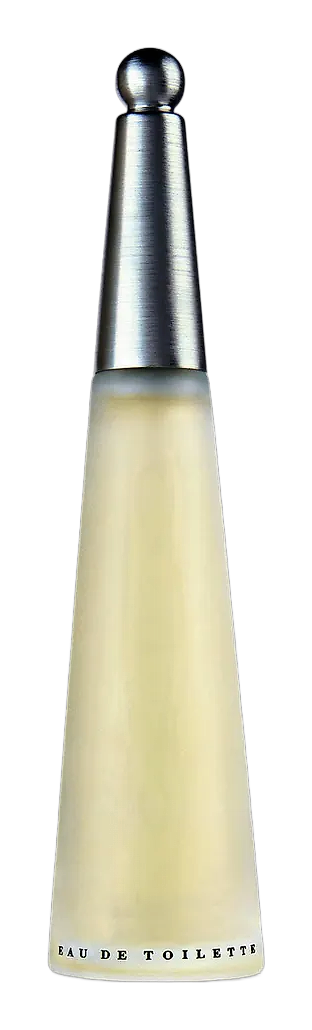
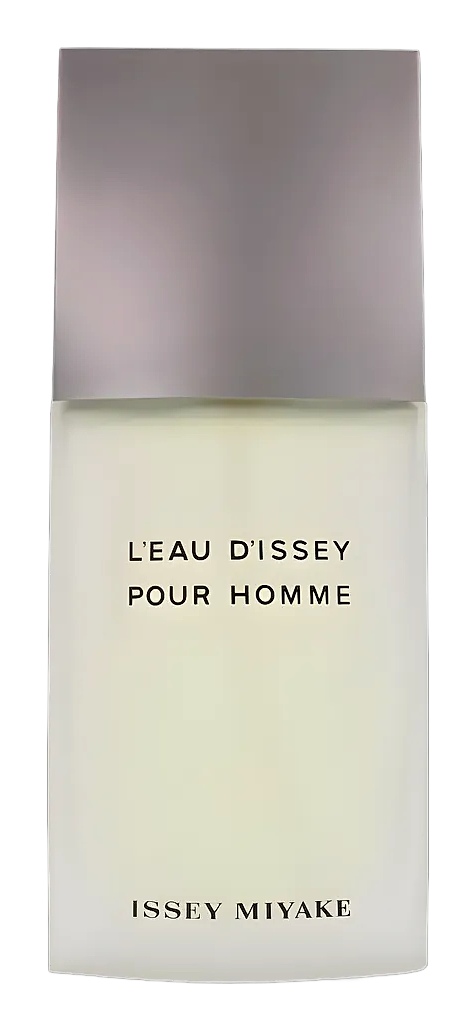
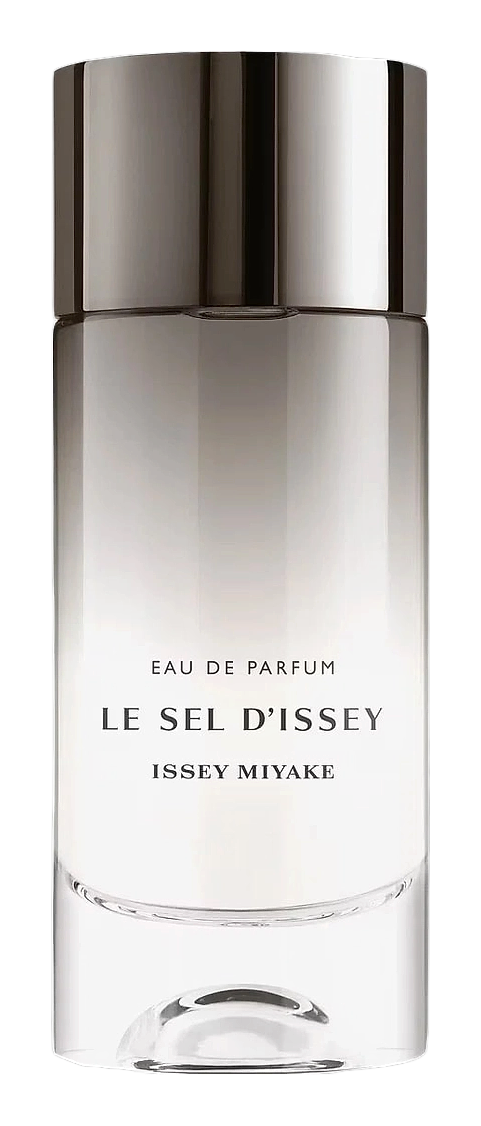
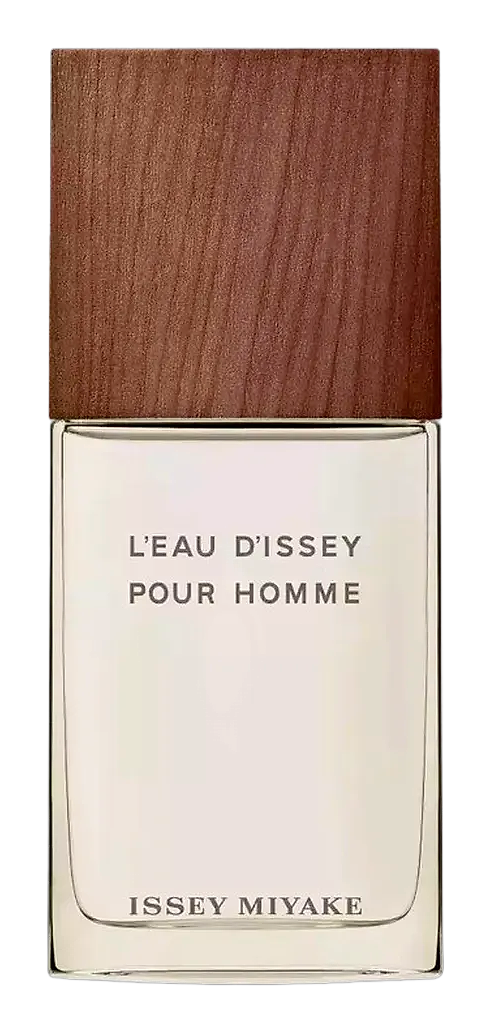
The L'Eau d'Issey line has been a cornerstone of Japanese minimalist fragrance since 1992, and Solar Violet continues that tradition while pushing the house in a warmer direction. Issey Miyake's approach to Solar Violet reimagines the violet, transforming a note typically associated with cool, powdery melancholy into something genuinely radiant. In the current fragrance landscape, where bold and aggressive scents have dominated, Solar Violet offers a quieter, more introspective alternative that emphasizes transparency and light.
The House
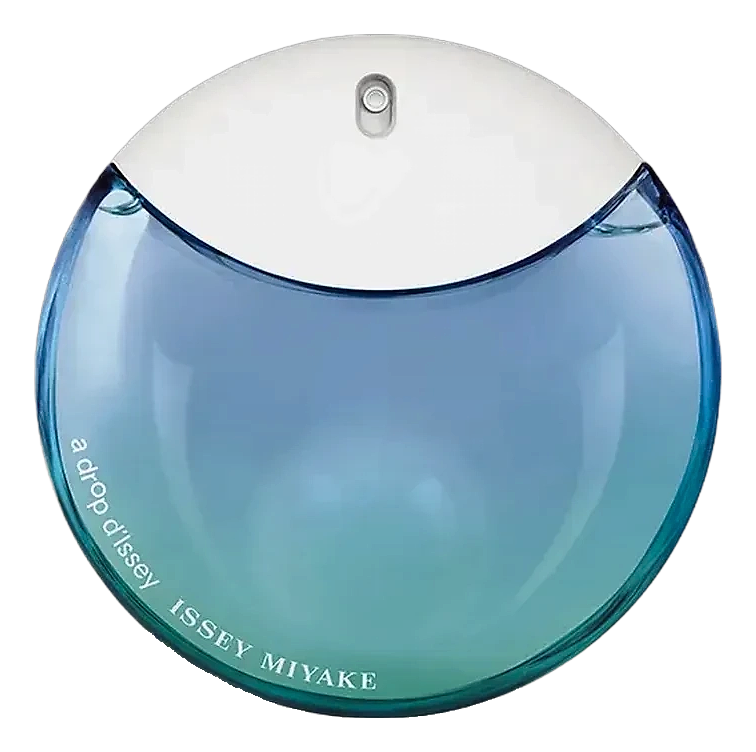
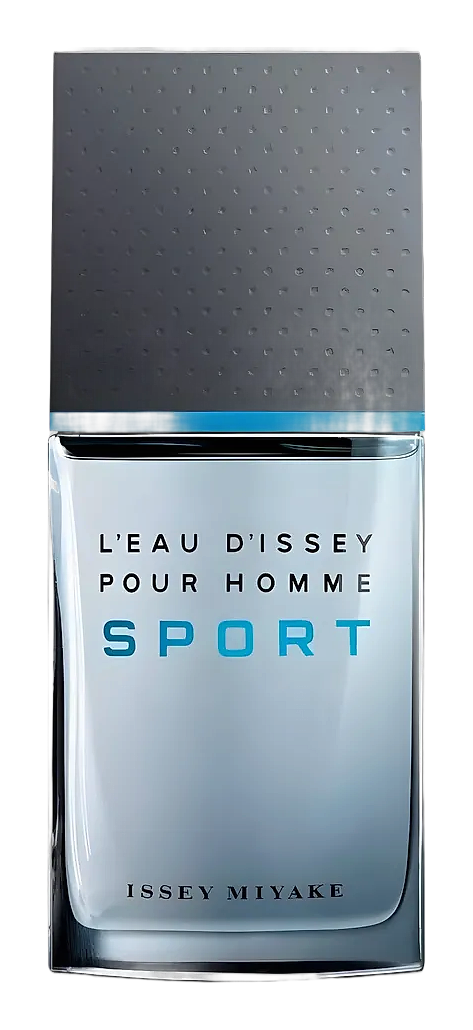
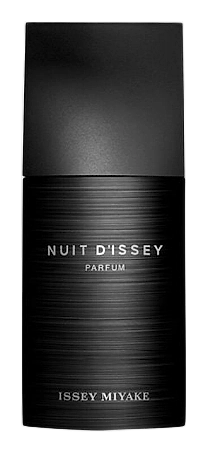
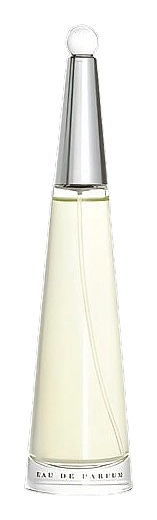
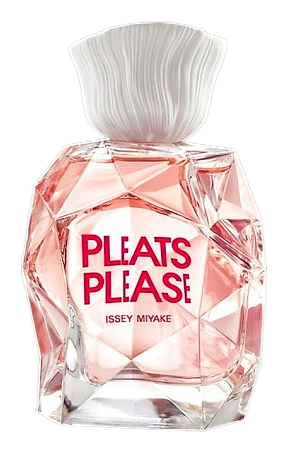
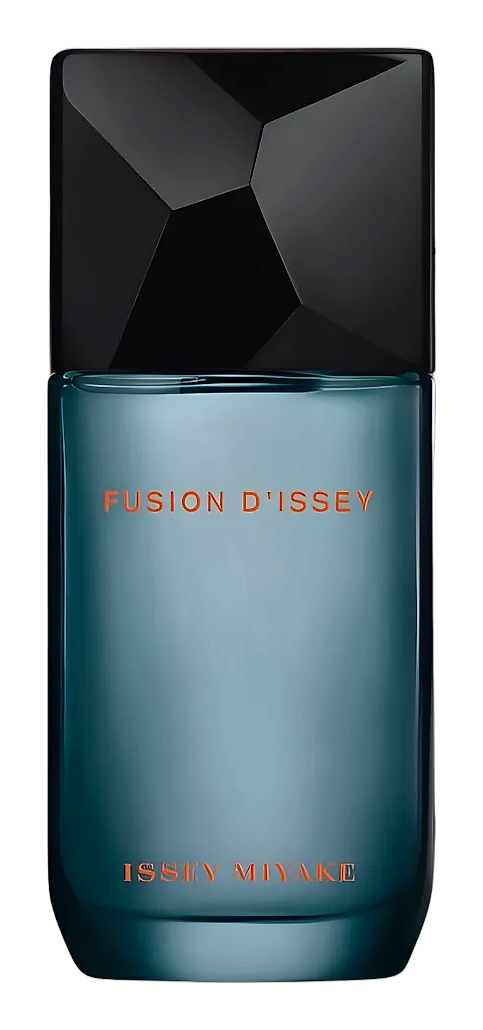
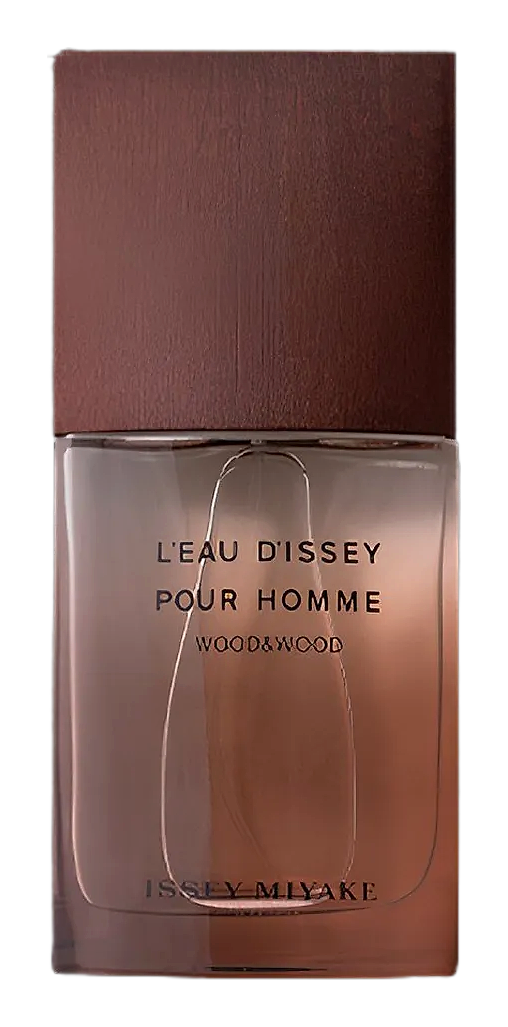
Issey MiyakeIssey Miyake, the Japanese designer who built his Tokyo studio in 1970, reshaped fashion with pleated textiles and minimalist construction. His fragrance arm, launched in 1992 with L'Eau d'Issey, translated that same reductionist vision into scent. Water became the guiding metaphor. The original women's fragrance, composed by Jacques Cavallier Belletrud, drew its identity from purity and stillness, offering a counterpoint to the richness of the decade before. An international best-seller followed, winning a Fragrance Foundation FiFi award in 1993. The men's version arrived two years later. Miyake's scent portfolio eventually grew to more than a hundred references, yet the house has never abandoned the elemental clarity that made the name.
The Creator
Marie SalamagneSalamagne's style is characterized by a skillful balance between power and subtlety. She isn't afraid to use bold ingredients, but she does so with a deft hand, ensuring that the overall effect is harmonious and refined.