The Story
Why it exists.
The beginning
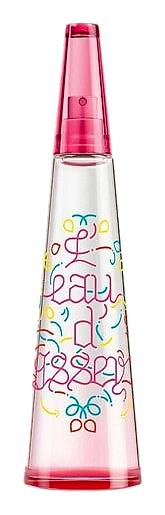
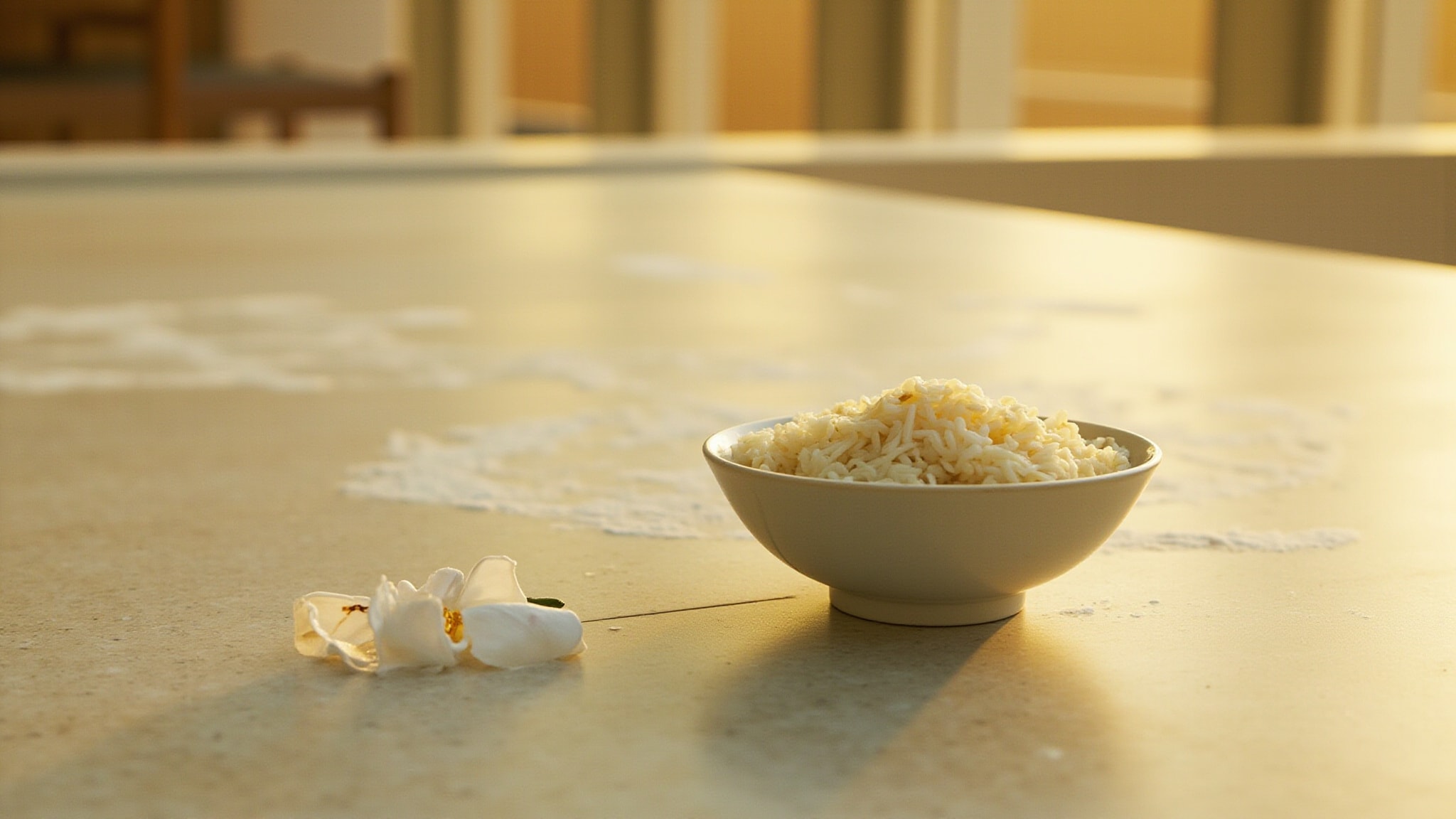
Kolam is a word that doesn't translate easily. It refers to the threshold drawings made daily across South India and Sri Lanka, geometric patterns drawn by hand in rice flour paste, ephemeral and intentional. Someone creates one at dawn, and by afternoon it's gone. The act is the point. Marie Salamagne built L'Eau d'Issey Shades of Kolam around this idea: a fragrance that begins with intention and leaves a trace. The 2020 brief from Issey Miyake's fragrance arm, working under Shiseido's Beauté Prestige International licensing structure, asked for something that lived in that same space between structure and disappearance, a scent that felt designed but not heavy, present but not persistent.
What makes this composition unusual is the basmati rice anchor. Rice notes in fragrance tend toward rice milk or the clean, watery facet of rice steam, the olfactory equivalent of neutral. Basmati is different. It carries a warmth, a faintly nutty sweetness that reads almost like warm grain porridge in the drydown. Paired here with Indian jasmine sambac, the night-blooming jasmine with a deeper, almost indolic richness compared to its Arabian counterpart, it creates a base that supports rather than disappears beneath the florals. The cardamom is the quiet architect.
The evolution
The opening hits bright and clean, grapefruit as a sharp citrus flash, cardamom's spice arriving within seconds to complicate things. Not harsh, not warm yet, just immediate and alive. Freesia drifts in after a few minutes, softening the grapefruit without diluting it. The heart is where this earns its name. Jasmine sambac blooms in tandem with centifolia rose, the rose adding a petal-roundness that keeps the jasmine from taking over. This phase lasts the longest on skin, maybe three hours before the florals begin their slow recession. The basmati rice begins to surface around the ninety-minute mark, creeping upward through the jasmine like steam from a pot left on low heat. By hour three, the drydown is cedar and rice. Warm, slightly woody, faintly sweet in the way that cooled rice pudding is sweet, present but restrained. It stays close to skin through hour five or six. On fabric, the rice note lingers into the next morning, quieter and more diffuse, like the Kolam drawing at dusk: still there, barely.
Cultural impact
L'Eau d'Issey Shades of Kolam arrived at a moment when Western fragrance culture was developing genuine curiosity about Asian olfactory traditions. The Kolam reference connects to South Indian floor art, geometric patterns drawn daily at thresholds, marking a rare instance of Indian visual culture influencing mainstream luxury perfumery. Rather than defaulting to Western-centric orientalism, the fragrance navigates cultural borrowing with restraint, using the basmati rice note as a genuine innovation rather than a superficial nod. This positioning set it apart in 2020's fragrance landscape, where many houses were mining similar cultural territories but fewer were earning credibility for doing so.