The Story
Why it exists.
The beginning
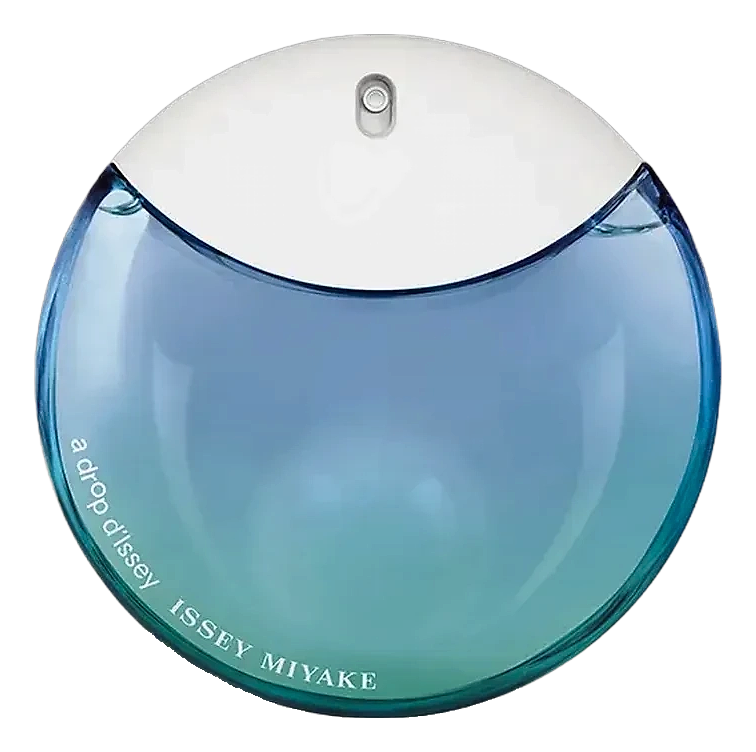
Aurélien Guichard approached L'Eau d'Issey Pure Shade of Flower the way a photographer approaches a subject, not to capture it fully, but to catch it at a certain angle. The task was to take the idea of flower and ask what remained when you stripped away the weight. Guichard brought a florist's instinct to the composition, an understanding of how petals catch light, how fragrance can feel weightless rather than heavy. Every material was chosen for its ability to read as light rather than perfume. The result is a fragrance that seems to glow from within, translucent and airy, where the florals never arrive as a statement but as a suggestion, a quality of light made tangible on skin.
What makes this composition unusual is its relationship to sweetness. Most fruity-florals earn their sweetness by adding more, more fruit, more florals, more everything. L'Eau d'Issey Pure Shade of Flower earns it by subtracting. The blackcurrant doesn't sweeten the opening; it cuts. The raspberry blossom doesn't deepen the heart; it threads a quiet warmth through florals that could otherwise turn flat. The hibiscus and freesia are treated as brightness, not as flowers. White musk and sandalwood don't anchor the fragrance so much as give it somewhere to rest its weight. The result reads, unusually, as natural, closer to the memory of a flower than to the flower itself.
The evolution
The opening hits immediately. Blackcurrant and lemon arrive together, the citrus providing clarity while the berry adds tart dimension. The rose is there from the start but stays soft, almost shy. Then the transition begins, hibiscus emerges as the dominant heart note, its tropical quality softened by freesia's clean green-floral character. Raspberry blossom appears as a whisper of sweetness, never demanding attention. As the heart settles, the base arrives: white musk settling close to skin, sandalwood providing warmth beneath. The drydown becomes intimate, close, almost a skin scent. What remains is the faintest impression of clean warmth, sandalwood without the wood, present only if someone leans in.
Cultural impact
L'Eau d'Issey Pure Shade of Flower won't dominate a conversation about niche perfumery, but that's not what it's reaching for. It sits comfortably in the lineage of the original L'Eau d'Issey, accessible, composed, quietly confident in its reductionism. This offers a middle path: sweet-floral warmth with restraint. The fragrance feels like a continuation of what the house has always done well, taking something lush and finding its most essential form, leaving just enough to suggest the whole without overwhelming.
The House
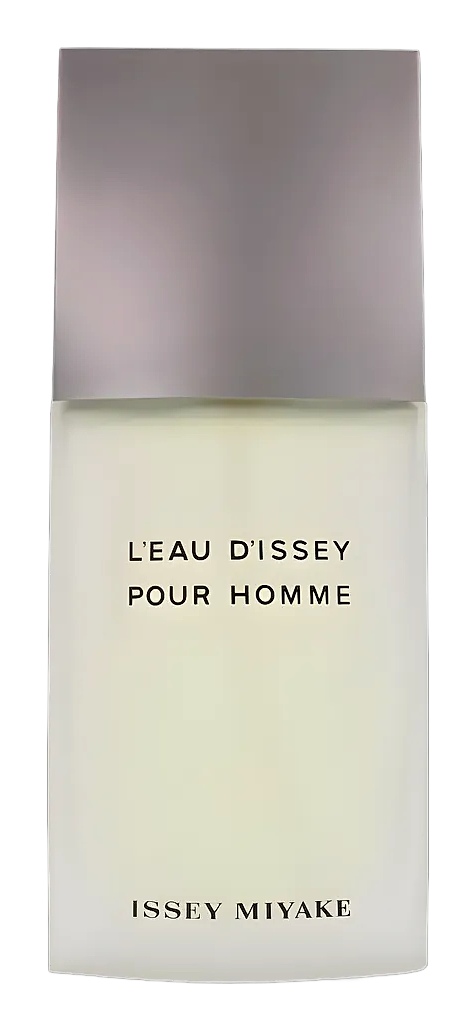
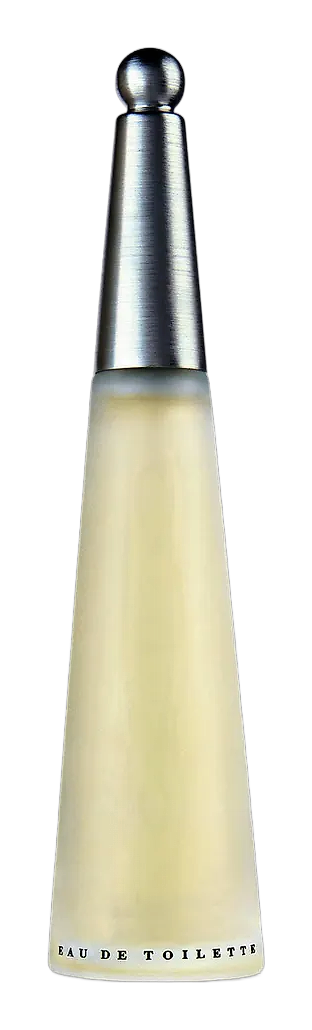
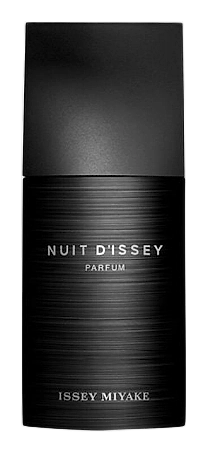
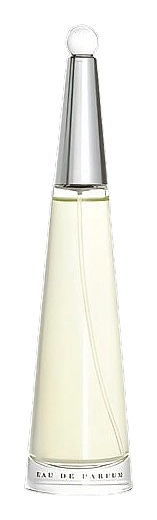
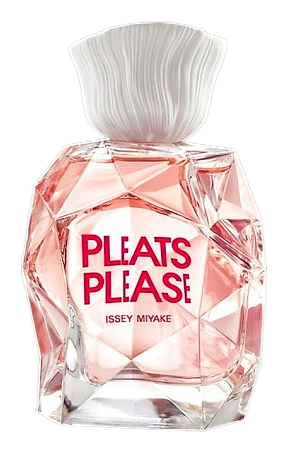
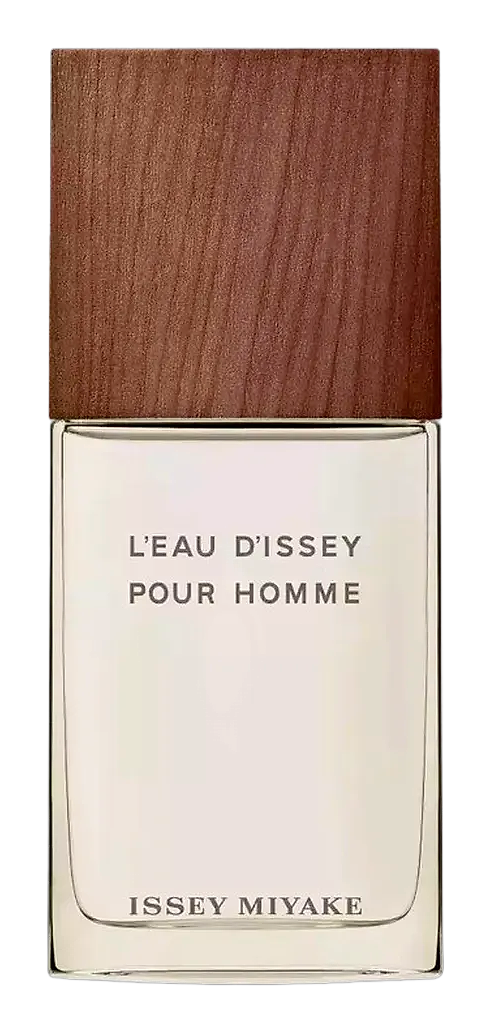
Issey MiyakeIssey Miyake, the Japanese designer who built his Tokyo studio in 1970, reshaped fashion with pleated textiles and minimalist construction. His fragrance arm, launched in 1992 with L'Eau d'Issey, translated that same reductionist vision into scent. Water became the guiding metaphor. The original women's fragrance, composed by Jacques Cavallier Belletrud, drew its identity from purity and stillness, offering a counterpoint to the richness of the decade before. An international best-seller followed, winning a Fragrance Foundation FiFi award in 1993. The men's version arrived two years later. Miyake's scent portfolio eventually grew to more than a hundred references, yet the house has never abandoned the elemental clarity that made the name.
The Creator
Aurélien GuichardAurélien's style could be described as refined and elegant, with a focus on natural ingredients. He often uses roses, a nod to his family's history, but he isn't limited by tradition.