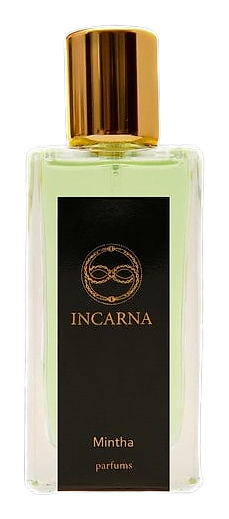
The Story
Why it exists.
The beginning
The concept was deceptively simple: what if mint wasn't the garnish but the architecture? Not a bright spark at the top of the pyramid, but the structural element everything else hung from. The challenge was making that foundation feel intentional rather than accidental. Red berries, ozonic air, juniper, and cyclamen were chosen to interact with the mint in ways that keep the composition from settling into predictability. Solar notes and amber provide the warmth the opening lacks, creating a fragrance that asks you to wait for the interesting part. The mint doesn't simply announce itself and recede.
The real craft in Mintha isn't the mint itself, which some might expect. It's the transition. The opening is genuinely cold, which creates a problem most perfumers avoid: what happens when your cool ingredient fades? The mint serves as the primary opening statement, and its gradual evolution becomes the beginning of subsequent chapters. That structural decision is what makes the solar warmth and amber feel integrated rather than tacked on.
The evolution
The first thing you'll notice is the cold. Not cool, not fresh. Actually cold. The mint arrives like a glass of ice water, sharp enough to taste. For the opening phase, it dominates the composition. Then something shifts. The berries soften the edges, ozonic air lifts the composition upward, and juniper introduces a green, almost pine-like bitterness that makes the whole thing sharper than expected. The cyclamen arrives, soft and powdery, almost invisible next to the mint but crucial. It keeps the composition from becoming one-note. The solar warmth builds slowly. Amber doesn't announce itself. It builds underneath the mint, gaining weight until the coldness that defined the opening is simply gone, replaced by something warm and close and intimate. You're wearing a different fragrance than the one that opened, one that started in winter and ended in late afternoon sun.
Cultural impact
Mintha occupies a specific position: for wearers who find typical fresh fragrances too static, it offers actual change. The cool-to-warm arc is neither subtle nor accidental. This is a fragrance designed for development rather than immediate impact, one that rewards those who appreciate conceptual approaches to perfumery. The structure invites engagement, asking something of its wearer beyond passive appreciation. For those who find typical fresh scents lacking in narrative depth, Mintha offers a different kind of experience entirely.
The House
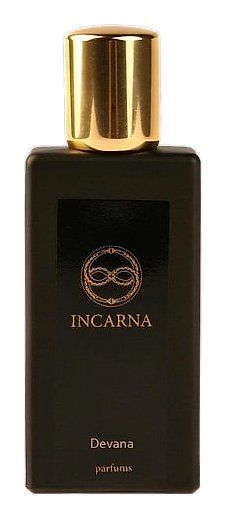
Incarna parfumsIncarna parfums is a Russian niche perfume house that emerged in St. Petersburg in 2017. The label offers a compact catalogue of author‑driven scents, each presented as a personal vision rather than a mass‑market offering. Its releases span a range of olfactory moods, from the contemplative quiet of Silentium (2025) to the sun‑kissed brightness of Endless Summer (2024). Incarna’s approach privileges individuality, inviting wearers to explore stories that unfold on the skin over time. The brand’s modest size allows it to experiment with unconventional accords while maintaining a clear, consistent voice across its line.
The Creator
Natalia VitkovskayaNatalia favors a structured pyramid that starts with a clear opening, builds a rich heart, and settles into a lingering base. She often pairs bright citrus or marine accords with deep amber, sandalwood, or resin, creating contrast that resolves into harmony.