
The Story
Why it exists.
The beginning
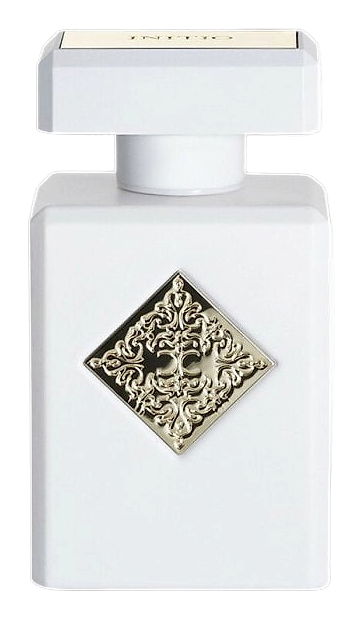
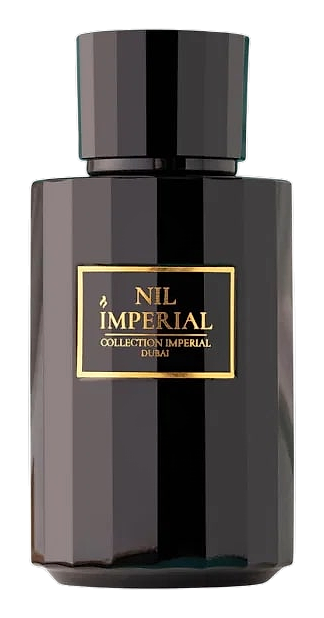
Nil Imperial wraps its warmth in a coat of regal intent, the kind of composition that asks to be noticed without shouting. Imperial Parfums built the fragrance around that same promise, one of grandeur you wear instead of visit. Released as part of a broader collection, it was designed for those who want their perfume to sit close to the skin and stay there, concentrated enough to feel like a signature rather than a suggestion. The composition is a study in warmth rather than spectacle. Turkish rose absolute anchors the heart, dense and unmistakable, the kind of rose that doesn't apologize for being rose. Sugar does what sugar does best: makes everything around it richer, turning the floral into something closer to confection without tipping all the way into dessert.
What's actually interesting here is restraint disguised as sweetness. Sugar appears in both the heart and the base, which usually means cloying territory. The petitgrain is what keeps it alive, a bitter-green counterweight that makes the rose breathe instead of suffocate. Without that citrus-green edge, the whole thing would slump into syrup. Instead, the composition maintains tension, sweet and sharp trading places depending on how close someone is standing. The white musk at the end adds that clean-skin intimacy that separates a guilty-pleasure gourmand from a properly composed extrait.
The evolution
The first ten minutes are all lemon petitgrain doing its quiet work, sharp and green, almost citron-like, slicing through whatever else is in the air. There's something almost herbal about it, a brightness that reads more like crushed stem than juicy fruit, and it sets a clean stage for what comes next. Then the Turkish rose arrives, and it arrives like it means it, deep, jammy, almost dense enough to taste before the sugar folds in. That's the move: rose becomes sugar, sugar becomes the whole room. The transition isn't subtle, but it's not jarring either, more of a slow tipping from floral to confection, the way a dessert plate starts with fruit and ends with pastry. By the two-hour mark, the lemon is gone and the rose has softened into something less flowery, more confectionary, the way rose-scented candy smells when the floral edge has been cooked out and only the sweetness remains.
Cultural impact
Within the niche crowd, Nil Imperial gets compared to dense rose-and-vanilla compositions that sit in the same indulgent register, with Tom Ford's Noir de Noir among the reference points that come up in conversation. One community comment called it 'a cousin' of those references, placed in conversation rather than pitched as competition. The comparison makes sense on paper: rose, vanilla, that same sweet-leaning warmth, that same late-evening mood. Worth knowing: wearers describe the rose as velvety and the drydown as straightforward vanilla, less complex than the opening suggests.