The Story
Why it exists.
The beginning
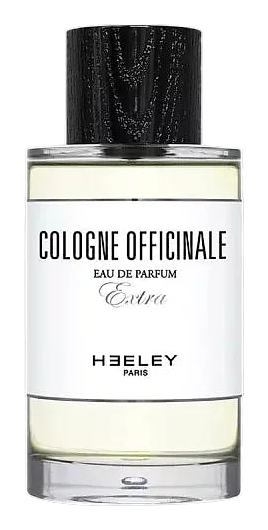
Heeley built this as a love letter to Marseille's old-world apothecaries, the Officinale herbalists who lined the city's port with bundles of rosemary, sage, and lavender. James Heeley wanted to capture that green, living energy of the Mediterranean herb garden, not recreate it in a lab. The result is a fragrance that smells like the south of France in afternoon light.
What makes Officinale interesting is the galbanum. Most fragrances use basil as a fresh, almost sweet opener. Here, it's paired with galbanum's bitter, almost anise-like edge, creating a green opening that's actually green, not citrus. The lavender doesn't arrive immediately. It waits, then fills the space left by the herbs as they settle, giving the composition its signature softness. Oak moss is the quiet backbone that keeps everything grounded.
The evolution
Basil and galbanum arrive together, bright, bitter, and unmistakably herbal. The galbanum lingers longer than expected, giving way to rosemary and sage before lavender finally steps in. That hand-off is the most interesting moment: the herbs fade softly, not abruptly, leaving space for the lavender's warmth to breathe. Oak moss arrives in the base, earthy and quiet, alongside dry woods and amber. Moderate sillage throughout. By the final hours, it's skin-close, a faint herbal warmth that lingers into the next morning on fabric.
Cultural impact
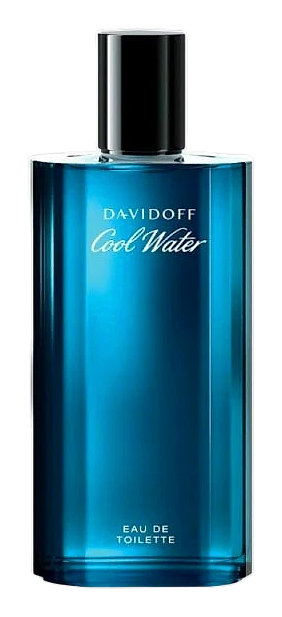
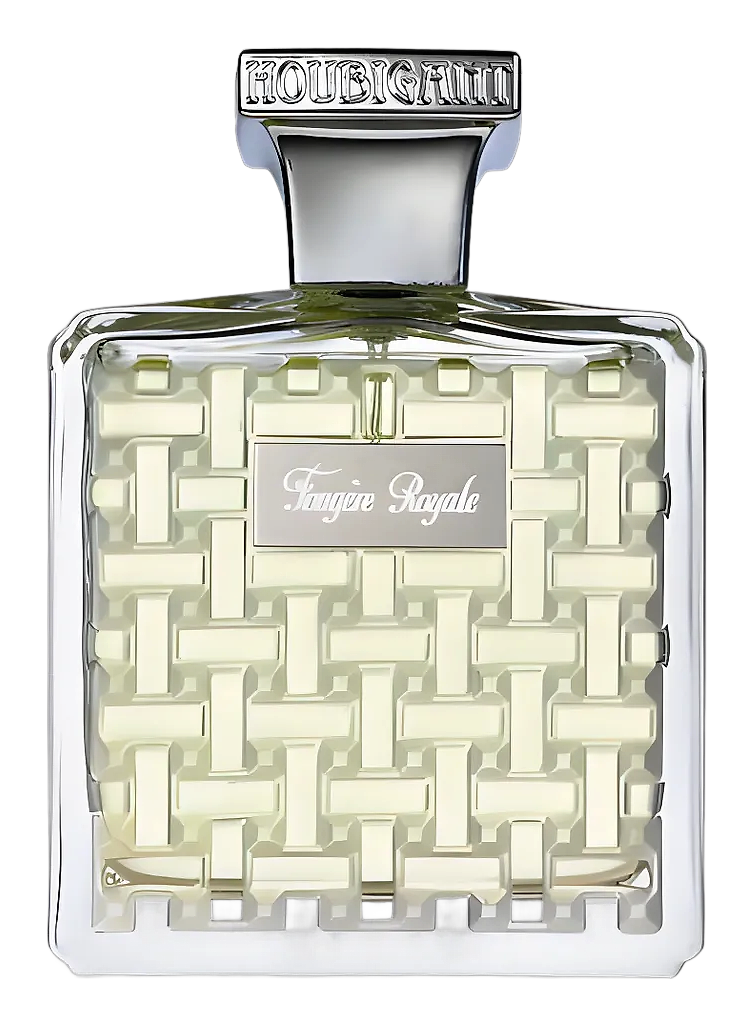
Officinale occupies an interesting space in modern fragrance: a fougere that doesn't try to be anything other than what it is. It has strong parallels to classic aromatic fragrances, Houbigant Fougere Royale, vintage Cool Water, but feels more considered. Wearers tend to describe it as the fragrance for someone who knows their taste and doesn't need to prove anything.