The Story
Why it exists.
The beginning
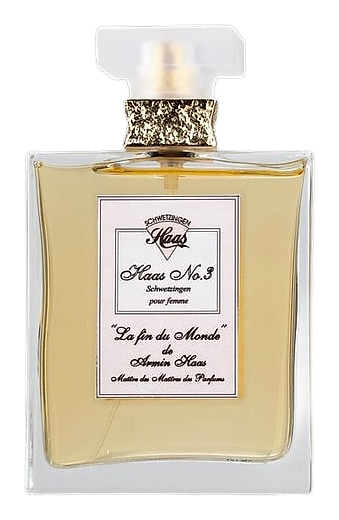
Haas No.3 La Fin du Monde takes its name from an 18th century perspective installation in the Schwetzingen palace garden, a painted view near Heidelberg known as "The End of the World." That visual premise gives the fragrance an elegant sense of distance and illusion, a landscape seen from a carefully chosen point of view rather than entered directly. The composition develops this idea through its notes: rose and heliotrope lend a soft floral center, while almond, vanilla, tonka bean, and ambergris shape a warm, gently bitter character around it. The result is poised and contemplative, more suggestive than literal. It captures the pleasure of an arranged view, where detail and atmosphere meet, and presents its floral sweetness with enough depth to feel quietly intricate.
Bitter almond is the unusual note here, and it's the one that gives this sweetness its edge. Most dessert-leaning florals go soft from the start. This one bites first, then softens, which changes how the rose reads. Damask Rose brings the traditional romance of the note, while heliotrope adds a powdery, almond-toned depth that keeps the heart from feeling too polished. Ambergris gives the base its mineral warmth, and that combination of almond, powder, and vanilla is what makes the drydown feel intimate rather than loud.
The evolution
The composition begins with a restrained, dry character before gradually revealing a more enveloping floral heart. Damask Rose and heliotrope soften the opening, creating a creamy, powdery impression that feels polished without becoming overly bright. As the fragrance develops, vanilla and tonka bean introduce rounded sweetness, while ambergris adds a deeper, slightly saline and mineral quality beneath the florals. Their interaction keeps the scent from becoming simply sugary or flat. Over time, the rose remains recognizable, but it settles into a gentler role, moving from the center of attention toward a soft, continuous presence. The base notes give the composition warmth and structure, while the almond element adds a subtle counterpoint to the floral and sweet materials. The effect is intimate and reassuring, with a measured richness that unfolds gradually.
Cultural impact
La Fin du Monde belongs to a more intimate register of German perfumery, where a fragrance can be appreciated for the specificity of its idea and the care of its construction. Its anchor is the 18th century garden perspective in Schwetzingen, an installation known as "The End of the World," and that sense of visual art informs the scent without reproducing it literally. The composition pairs Damask Rose and heliotrope with almond, vanilla, tonka bean, and ambergris, balancing floral softness against warmer, more textured materials.
The House
Haas ParfumHaas Parfum creates limited‑edition scents that reference specific places, historic moments or personal narratives. Each fragrance bears a numeric label and a subtitle that hints at its inspiration, from a German chateau garden to a distant desert oasis. The brand releases a handful of bottles each year, allowing collectors to explore a curated olfactory library that feels both intimate and adventurous. Haas Parfum’s approach balances tradition with a contemporary curiosity, inviting wearers to experience a story through scent.
The Creator
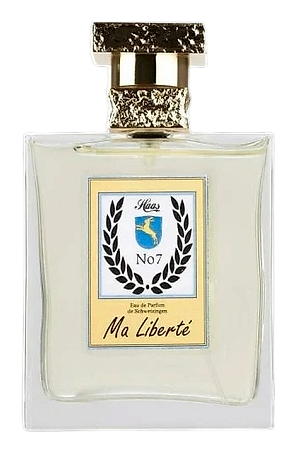
Armin Haas & Geoffrey NejmanThe documented style of Haas Parfum is centered on elegance, freedom and a polished sense of atmosphere. Although a full ingredient breakdown is not available, Ma Liberté reads as a fragrance built around a refined floral heart, softened and structured through a restrained sup…