The Story
Why it exists.
The beginning
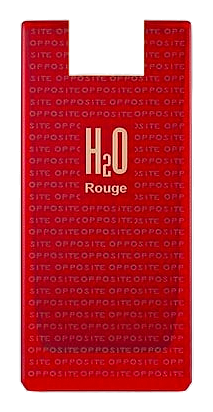
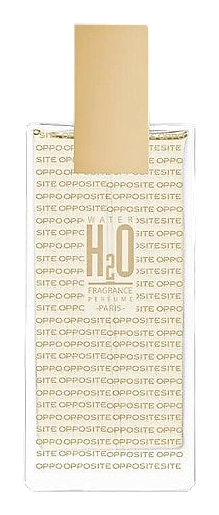
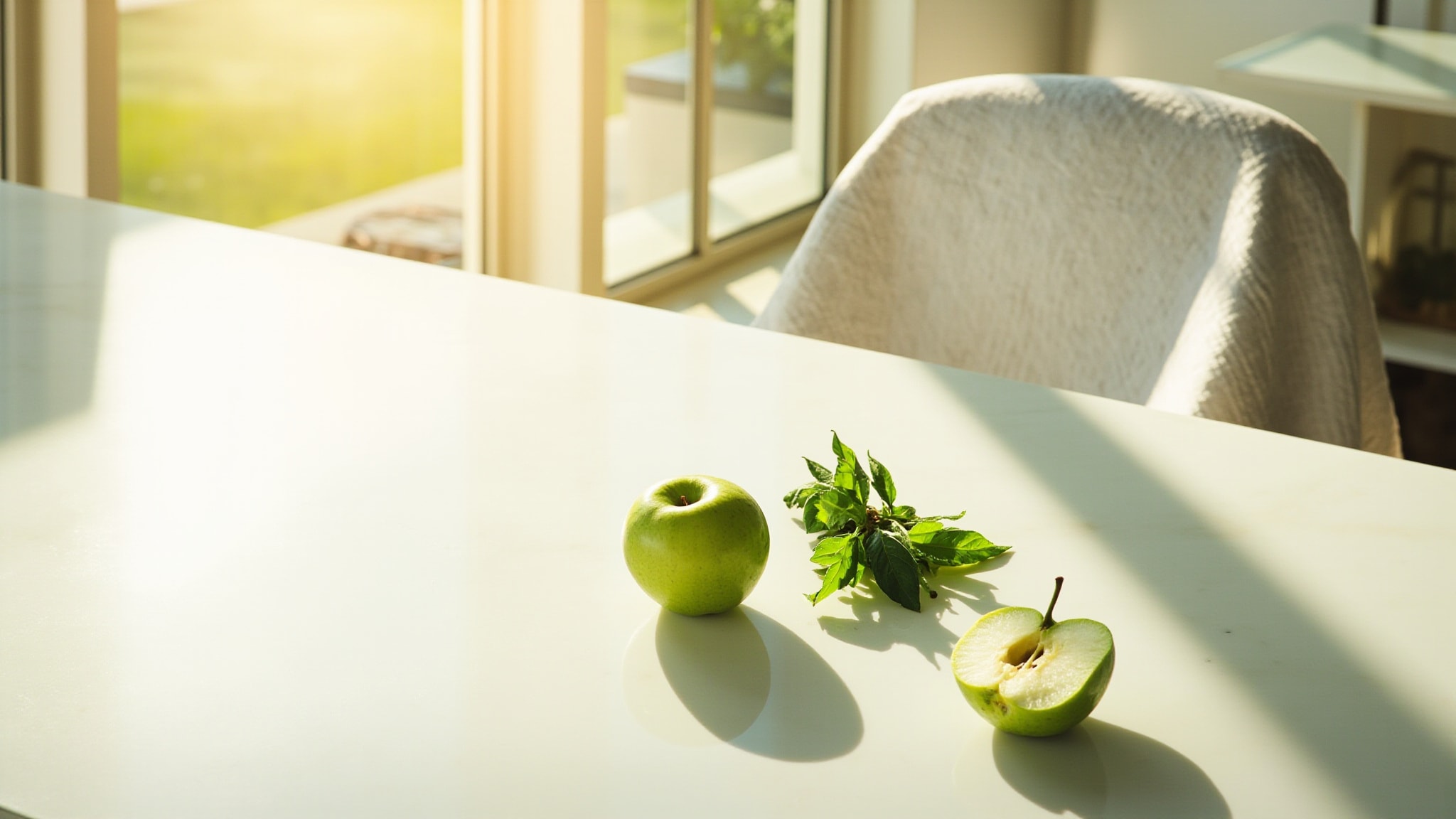
Opposite landed in 2000, its name reading like a quiet thesis: fresh and warm, green and spiced, held in the same breath. Released as an Eau de Parfum for women, it paired the snap of basil and green apple with a warm undertow of cinnamon and jasmine, a combination that felt more like a deliberate contradiction than a marketing idea. The whole composition lives in that tension, cool and cozy sharing a single skin. It opened with something crisp and herbal, almost like tearing a basil leaf over a bowl of green apple, then slid into a spiced heart where cinnamon wrapped around white floral and the fruit softened into something rounder, almost baked. By the time the cedarwood and sandalwood settled in, the warmth had somewhere to land, and the spice never fully disappeared.
What makes the composition interesting is its refusal to commit to one family. The opening is green and floral, the heart turns warm and almost gourmand, and the base settles into classic woody territory. Opposite drifts between them, and the cinnamon doing double duty, bridging the bright top with the resinous bottom, is what holds it together. It's an architecture problem disguised as a simple pyramid. The green notes give it lift and a kind of garden-like immediacy, while the woody base pulls everything back down to something grounded and skin-close.
The evolution
The first ten minutes feel like biting into a cold apple slice dusted with basil. Green, herbal, a little sharp, almost salad-like. Then the cinnamon arrives, warm and unmistakable, and the jasmine underneath it gains weight. The middle hour is the most confident: sweet spice against white floral, the apple reappearing as a softer, juicier echo. By the third hour the cedarwood and sandalwood have built a quiet floor. The cinnamon retreats but never leaves. The drydown is creamy, slightly ambery, faintly powdery. On skin, the top notes read almost sharp in those opening minutes, like the chill of apple skin and the cool green bite of basil hitting at the same time, before the warmth rushes in. The jasmine blooms beneath the spice rather than alongside it, giving the heart a candlelit quality.
Cultural impact
Opposite Eau de Parfum, released in 2000, sits at an interesting crossroads in fragrance design. Its name is a thesis statement, and the juice inside delivers on it with a pairing that feels almost deliberately contrary: warm cinnamon and baked apple notes set against cool basil, green leaf, and white jasmine, with a base of cedarwood and sandalwood to anchor the whole thing. That kind of contrast, where a fragrance refuses to choose between freshness and warmth, became a quietly influential idea in the early 2000s, as more compositions started playing with temperature as a structural element rather than a single mood.