The Story
Why it exists.
The beginning
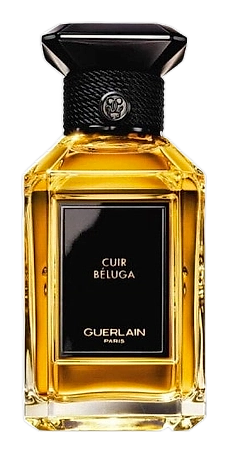
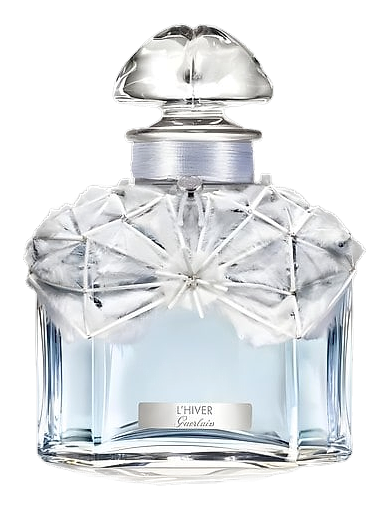
Thierry Wasser designed L'Hiver for Guerlain's Les Quatre Saisons collection in 2016. The name is French for winter, and the fragrance means it. Where other seasonal pieces capture the romance of a season, L'Hiver takes its harder edge: the version of winter that doesn't apologize for itself. This is cold as an aesthetic choice, not a complaint about it. Wasser reached for the quality that makes winter worth wearing: the particular clarity of cold air, the silence that comes after snow, the way certain mornings demand your full attention before you've had any coffee to give. The result is a fragrance that asks something of its wearer, patience, stillness, an appreciation for what isn't trying to impress you. Limited to 21 numbered bottles, it was never meant to be everywhere. That was rather the point.
What makes L'Hiver unusual is how little it does. The note pyramid is lean, angelica and pine up top, iris and ambrette in the heart, incense and amber holding the base. That's it. No dramatic middle, no layered complexity meant to justify a price point. Instead, each material earns its place absolutely. The angelica brings anise-herbal coolth that keeps the pine from reading as cleaning product. The ambrette, musk mallow seed, gives the iris something to lean against: nutty, faintly animal, just warm enough to keep the composition from feeling clinical. The incense never announces itself. It threads through the drydown like a memory of something burned, present without being present.
The evolution
The opening hits immediately: angelica's anise-cool bite meeting pine's sharp, resinous air. There's no softening here, no gradual reveal. The cold arrives fully formed. This phase lasts about thirty minutes, your skin warming the top notes slowly, letting them breathe rather than burning them off. Then the iris arrives. Powdery, violet-soft, it doesn't so much replace the pine as quiet it, like a door closing somewhere in the house. The ambrette seed adds a faint nuttiness beneath, a heartbeat of warmth in a composition otherwise committed to coolth. By hour two, you're in the drydown: white musk and amber close to the skin, the incense finally legible, not smoky so much as the memory of smoke, a warmth that was. The sillage stays intimate throughout. You'll smell it. The person across the table might catch something when you gesture. That's the design. L'Hiver finishes around hour five or six, quiet and close, leaving only a trace of powder on dark fabric.
Cultural impact
L'Hiver sits in Guerlain's output as a quiet statement: the house that built empires of powder and vanillas, choosing austerity. Released in 2016 as one of 21 numbered bottles, it was never positioned for ubiquity, that was the luxury of it. For those who found it, the appeal was precisely what it withheld: no performance, no declaration, just a cold morning rendered in scent. The kind of fragrance you wear because you've stopped needing anyone to notice.