The Story
Why it exists.
The beginning
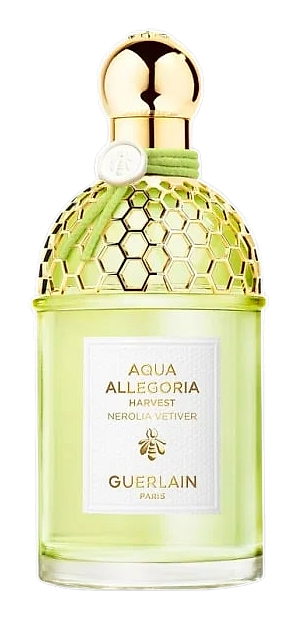
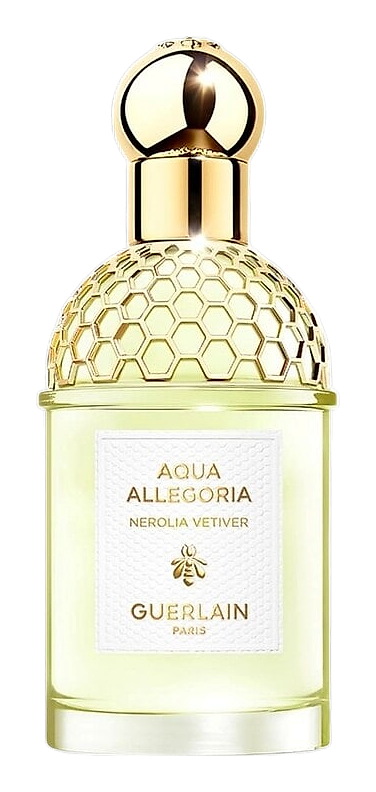
Delphine Jelk designed Nerolia Vetiver Forte around a single idea: a neroli that glows. Not the sharp, soapy kind that disappears after an hour, this one has weight. The perfumer imagined it golden by the rays of the setting sun, awakened by the power of vetiver. What started as a collaboration between neroli's natural radiance and fig's velvety sweetness became something more intentional: Guerlain's concentrated statement on a beloved Mediterranean note. The Forte designation signals stronger concentration, more presence, but the soul remains the same: a floral brightened by green, grounded by earth.
The interesting move here is the fig appearing twice, once as leaf in the top, once as fruit in the heart. It gives the fragrance a through-line, a green thread that connects the citrus opening to the woody base without ever letting go. Neroli doesn't usually get this kind of structural support; it's often the transient top note, there and gone. Here, flanked by fig and vetiver, it gets to stay. The rose in the heart is subtle, barely there, but it prevents the fig from going too fruity, keeps everything in the floral-woody register where Guerlain has always played.
The evolution
The opening is all green brightness: fig leaf and bergamot, with petitgrain adding a slightly bitter citrus twist. Clean. Alive. Then the neroli arrives, warm, sunny, almost honeyed, and with it comes the fig again, this time as soft fruit rather than green leaf. The rose appears quietly, threading through the florals without announcing itself. The drydown is where vetiver earns its place: earthy, slightly smoky, with cedar adding structure and tonka bean smoothing everything into a soft, slightly sweet base that lingers close to the skin for hours. Wears well into evening without ever announcing itself across the room.
Cultural impact
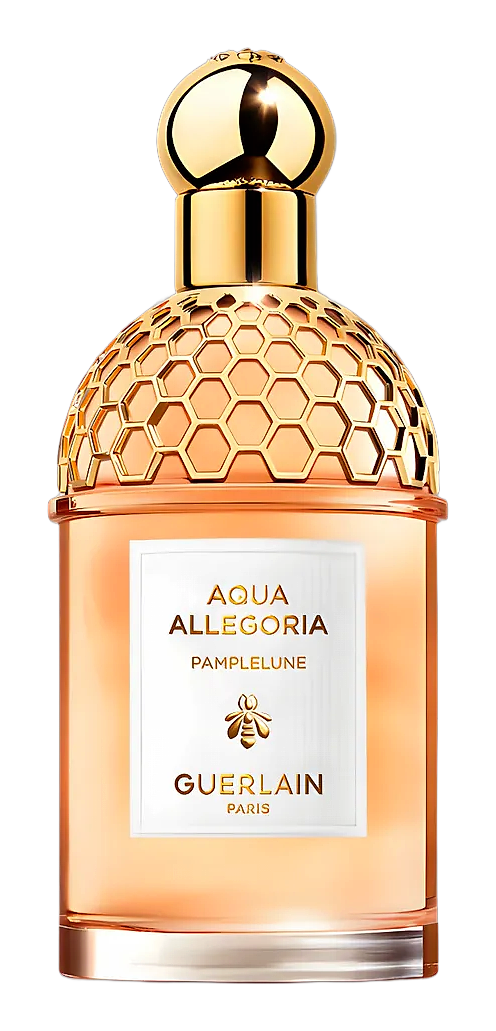
The Aqua Allegoria line has been Guerlain's laboratory for accessible luxury since 1999. Nerolia Vetiver Forte represents the Forte trend, stronger concentration, more presence, same house DNA. It's Guerlain making a statement: heritage and modernity aren't opposites. Delphine Jelk joined Guerlain in the 1980s and has been one of the industry's most respected noses ever since. This fragrance carries her fingerprints: confident, structured, designed to last.
The House
GuerlainGuerlain stands as one of the oldest and most revered perfume houses in the world, founded in Paris in 1828 by Pierre-François-Pascal Guerlain. What began as a boutique on rue de Rivoli quickly became the preferred destination for Parisian society, attracting dandies and elegant women who sought custom-crafted fragrances. The house's influence grew to such heights that Guerlain earned the title of Official Perfumer to Napoleon III after presenting Eau de Cologne Impériale to Empress Eugénie as a wedding gift in 1853. This royal patronage marked the beginning of Guerlain's enduring association with European aristocracy, as the house went on to create fragrances for Queen Victoria and Queen Isabella II of Spain. Today, under the creative direction of Thierry Wasser, the fifth-generation perfumer, Guerlain continues to shape the landscape of fine fragrance with a portfolio spanning over 1,100 olfactory creations. The house remains headquartered at its legendary Champs-Élysées mansion, a historic monument that anchors Guerlain's position at the intersection of heritage and contemporary luxury.
The Creator
Delphine JelkJelk builds compositions around contrast and tension—warm, round, and inviting, yet never soft. Her signature leans heavily on iris, musks, and powdery facets that give her work a distinctive texture, like cashmere caught in amber.