
The Story
Why it exists.
The beginning
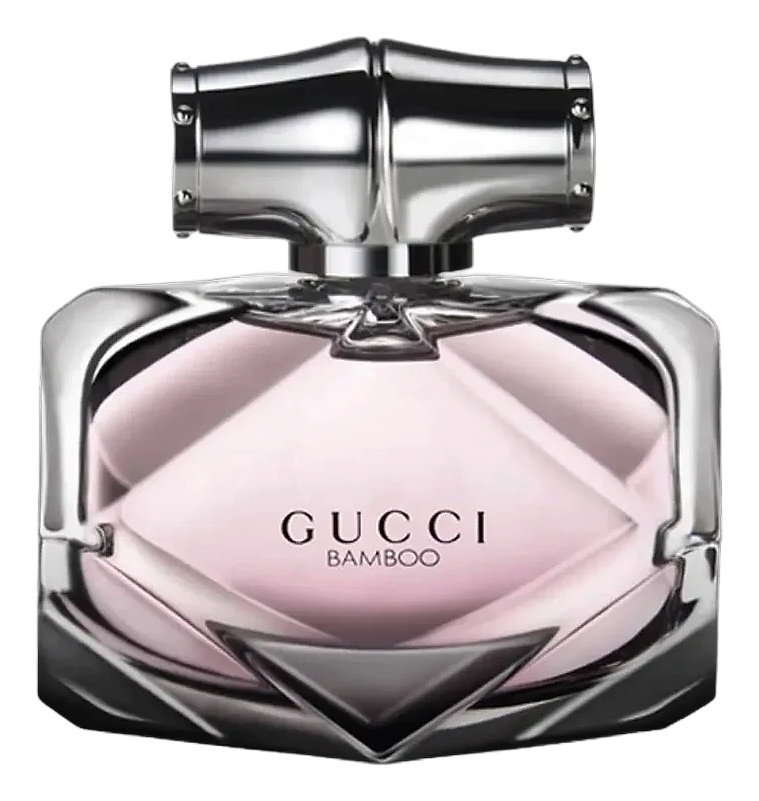
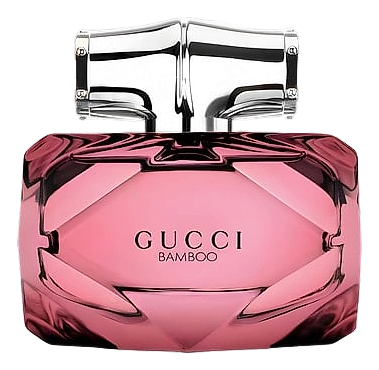
Gucci Bamboo arrived in 2015 as a statement about modern femininity, women who move between roles without losing themselves. The 2017 limited edition amplified that idea. Amethyst glass replaced the signature clear bottle, the bamboo cap went silver, and the packaging sprouted botanical illustrations. But the fragrance itself stayed true to the original: bergamot bright and citrus-forward at the opening, blooming into a white floral heart that doesn't apologize for being there. This was liberty as a scent concept, not restrained, not quiet, not asking permission.
What makes this composition interesting is the contrast buried in the pyramid. Bergamot opens sharp and clean, the kind of citrus that announces itself. Then the heart takes over: Casablanca lily, ylang-ylang, orange blossom. Three white florals doing different things, one creamy, one tropical, one bitter-sweet. The base pulls it all together with Tahitian vanilla and sandalwood, adding warmth and body. The ambergris keeps the drydown from going too soft. It's a fragrance that knows when to be delicate and when to lean in.
The evolution
The bergamot lasts about fifteen minutes before the florals arrive. Not a gradual transition, more like a hand-off. One minute it's citrus and sparkle, the next it's all lily and warmth. The ylang-ylang adds a tropical undertone that stops it from going too powdery. By hour two, the orange blossom starts to surface, adding a bitter-floral edge that keeps things interesting. The drydown is where the sandalwood and vanilla earn their place. They wrap around skin like warmth that doesn't want to leave. Four to six hours, depending on your skin. On fabric, it lingers until the next morning.
Cultural impact
Gucci Bamboo arrived as part of the house's broader return to heritage codes in the mid-2010s. The bamboo silhouette, originally an engineering solution for 1930s handbags when wartime materials were scarce, became a symbol of resourcefulness and feminine resilience. Translating this visual iconography to fragrance reinforces Gucci's commitment to cohesive brand storytelling across categories. In the luxury market, this release helped bridge the gap between established heritage houses and modern consumers seeking authentic brand narratives. The limited edition status added collectibility, making it desirable beyond its olfactory merits.