The Story
Why it exists.
The beginning
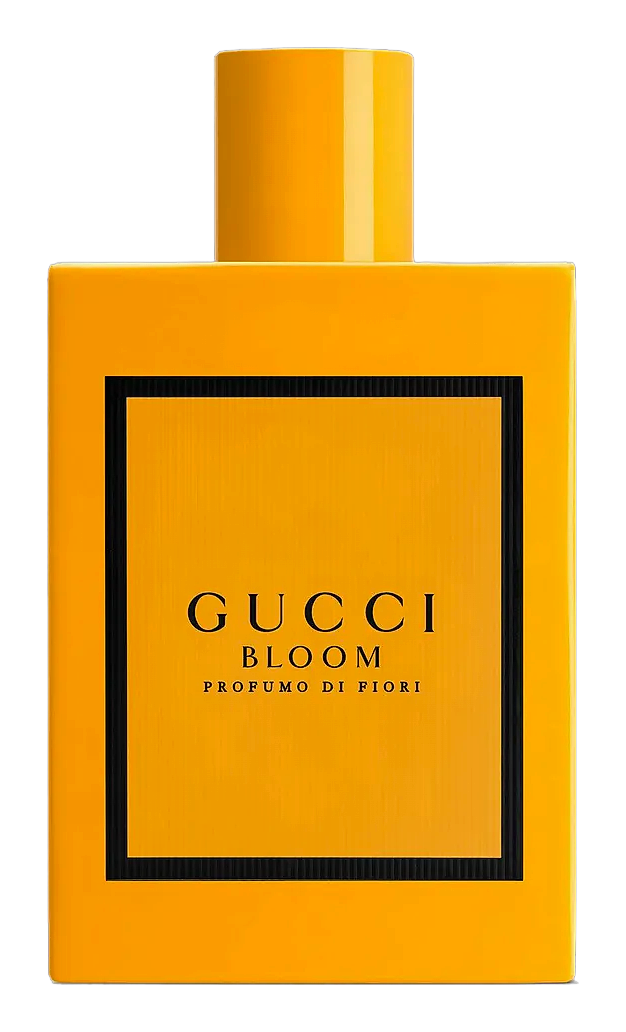
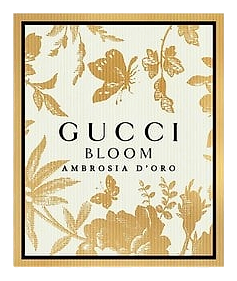
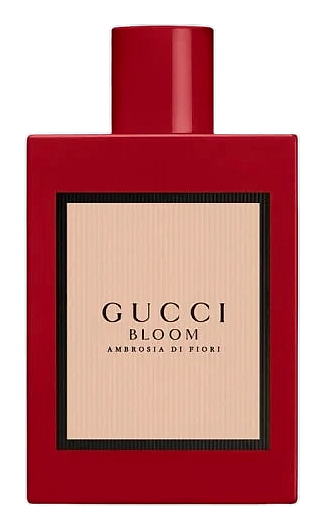
Gucci Bloom Ambrosia di Fiori takes its name from ambrosia, the food of the Greek gods, believed to grant immortality. It was composed in 2019 by master perfumer Alberto Morillas under the creative direction of Alessandro Michele, as an intensified chapter within the Bloom universe. Where the original Bloom captured gardenia in its most natural state, Ambrosia di Fiori pushes further into richness and density. The brief was clear: take the signature white floral language of the Bloom line and render it in concentrated form, more projection, more depth, more staying power. The jasmine bud and Rangoon creeper anchor the composition in its botanical heritage, while the Indian tuberose provides the weight and presence the original was missing for some wearers. This is Bloom as it was always meant to smell at dusk.
The orris root is what separates this from simpler white floral compositions. Tuscan orris, the powdered rhizome of iris florentina, adds a earthy, powdery dimension that makes the tuberose less heady and more complex. It provides the drydown with something close to texture: velvety, slightly woody, with the faintest violet recall. Damask rose reinforces the floral heart while grounding it in something familiar and elegant. The result is a fragrance that doesn't just project white florals, it layers them, building from the bright innocence of honeysuckle into the creamy density of tuberose, then settling into the powdery grace of damask rose and orris.
The evolution
The opening hits bright, jasmine and honeysuckle arriving clean, almost dewy. Within five minutes, the Rangoon creeper softens the citrus edge, but the real arrival is the tuberose. It doesn't creep in. It floods. For the next two hours, this is a tuberose fragrance, thick, indolic, creamy, demanding. The jasmine stays present underneath, but tuberose owns the heart. Around the third hour, something shifts. The damask rose emerges, bringing warmth and a hint of sweetness, while the Tuscan orris introduces its powdery, earthy counterpoint. The florals don't disappear, they evolve, becoming quieter and more intimate. By hour five, you're left with orris and the ghost of rose, soft against the skin. The base notes linger close, projecting modestly but lasting eight to ten hours. The next morning, there's a faint powdery warmth on the wrist, orris, settling like dust in late afternoon light.
Cultural impact
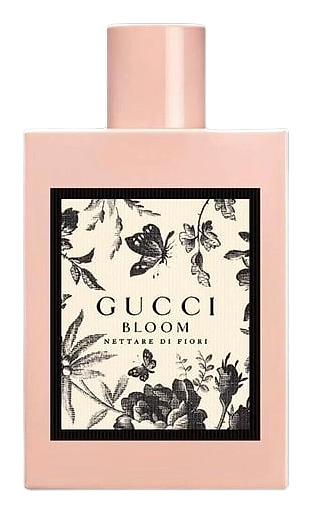
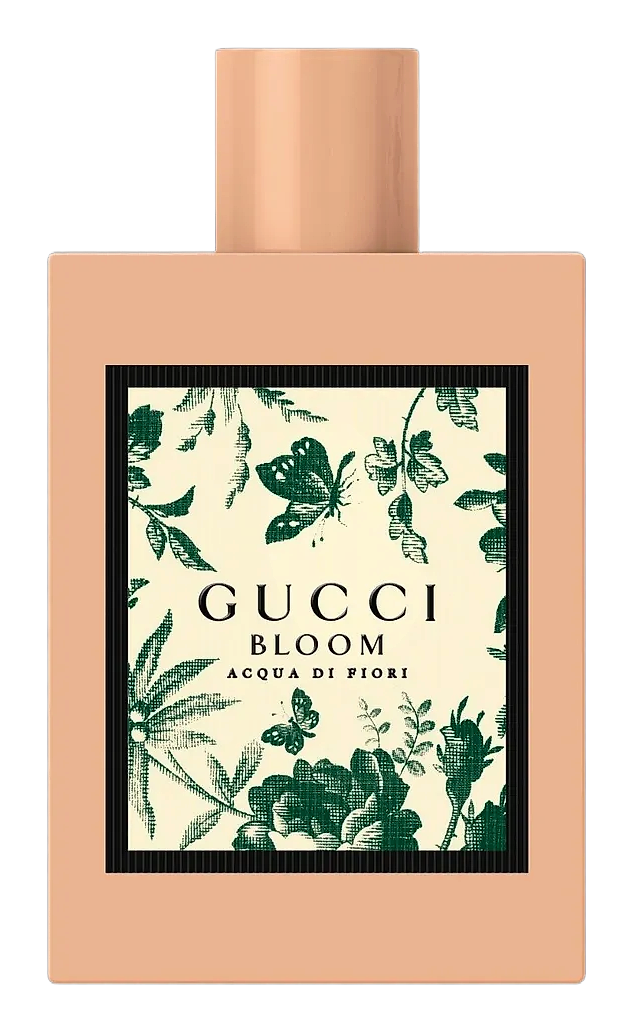
The Gucci Bloom line has become a reference point for modern white florals since its 2017 debut. Ambrosia di Fiori Intense, launched in 2019, answered the call from wearers who wanted the Bloom signature at higher concentration and projection. Within the Bloom family, it occupies the opulent end: richer and longer-lasting than the original Bloom, moreassertive than the Acqua variant. The fragrance has found its audience among those who want bold florals that don't retreat into subtlety. That the composition polarizes around its tuberose intensity is, perhaps, the most Gucci thing about it.