The Story
Why it exists.
The beginning
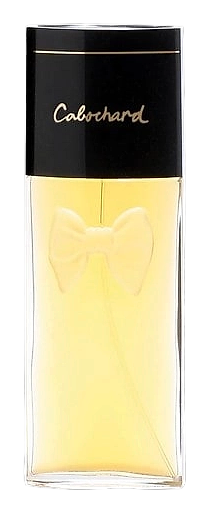
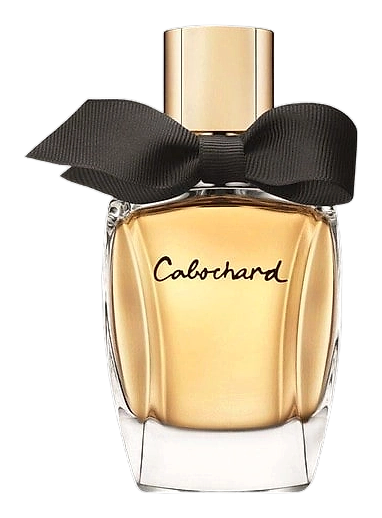
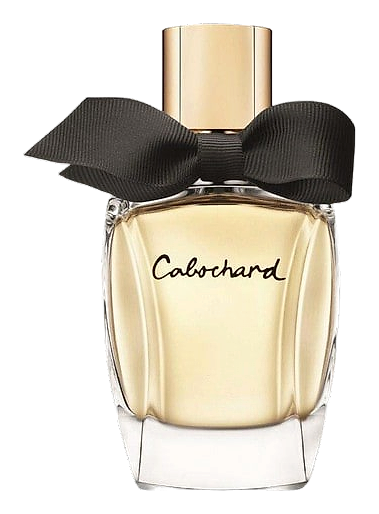
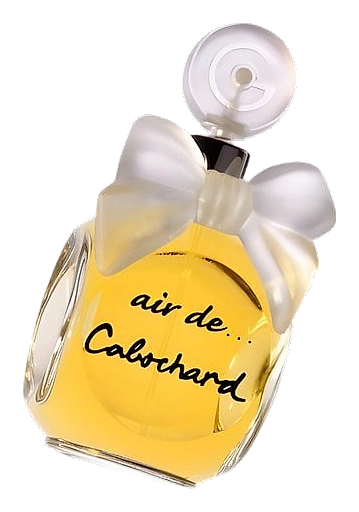
Air de Cabochard is a 2000 interpretation of the Grès signature, taking the house's most famous name and giving it room to breathe. 'Cabochard' means pigheaded, uncompromising. The perfumers Max Gavarry and Domitille Michalon-Bertier built the fragrance around oakmoss, the traditional foundation of chypre compositions, then layered in leather and floral notes to make something that feels stubborn in the best possible way. The spicy notes add warmth without softness. The powdery finish keeps the leather from becoming costume. This is a chypre that didn't arrive to play it safe.
What makes this work is the restraint. Floral notes can sentimentalize almost anything, and leather can swing too far into assertiveness. Here, the two materials check each other. The florals are warm, not girlish, they smell like petals with some age on them, not a florist's cooler. The leather stays present throughout but never shouts. The real trick is the oakmoss, which anchors the whole thing in mineral, green, almost bitter depth. It's what separates a chypre that knows its history from one that's just named after it. The spices add the bridge between warm and cool, not a campfire, not a pharmacy, something in between that makes the whole structure feel coherent rather than compartmentalized.
The evolution
Air de Cabochard opens with a citrus note that isn't listed, present for maybe ten minutes, bright and brief, cutting through before the florals arrive. Then the heart takes over: the leather and floral notes introduce themselves almost simultaneously, a combination that reads initially as slightly masculine before the florals soften and the whole thing finds its balance. By hour two, the spices are warming everything from underneath. The drydown is where the oakmoss earns its place, powdery, mineral, dark green, making the leather feel less like a statement and more like a memory. On fabric, the longevity extends well beyond what you'd expect from the sillage. On skin, expect 4-6 hours of presence, with the drydown lasting intimate and close for most of that time.
Cultural impact
Air de Cabochard arrived in 2000 with a clear reference point: the original Cabochard. The name itself, stubborn, uncompromising, told you where you stood. Wearers who connected with it found something that became part of their identity rather than a background accessory. The leather-floral combination attracted people who wanted presence without loudness. It's been discontinued, which adds a certain appeal to anyone who's tracked it down.