The Story
Why it exists.
The beginning
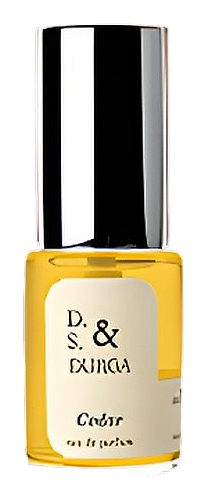
Cedar carries a specific gravity that's rare in fragrance, a stillness that's hard to source and harder to imitate. The reference point is the dry, burning-cedar smoke of Native American ceremonies, the kind of atmosphere that has nothing to do with luxury and everything to do with presence. There's no sweetness pulling you forward, no gourmand softening the edges. It's a Solos piece from the Feminine Collection II, which sets the framing: this isn't a femme floral. It's a single subject, approached head-on. A wood composition that asks to be worn like a coat rather than draped like decoration. The composition moves through cedar without ornament, and the rose acts more as a warm undertone than a centerpiece. You wear it less than you inhabit it.
What makes Cedar structurally unusual is its narrow cast. Most rose-woods reach for supporting players, folding in amber, musk, or vanilla to round the edges. Cedar keeps the spotlight tight: three cedar species carrying the architecture, with a single rose threading warmth through the middle. That restraint is the point. The composition doesn't blur the lines between woods; it lets each one speak in its own register before they resolve into a single grain.
The evolution
Cedar opens dry and almost architectural, more board-formed than perfumed. The Virginian cedar shows up first, giving a slightly pencil-shaving coolness that reads as furniture, as cabin, as something built rather than grown. The wood reads almost industrial at first, closer to the smell of a workshop than a forest floor. As the composition settles, the rose begins to emerge, but it arrives dusty and compressed rather than dewy, the kind of rose that has lost its petals and kept only its resin. The Hiba cedar underneath gradually releases a faint smoke note, the kind that suggests a stick of incense smoldering somewhere out of frame. As the hours pass, the Atlas cedar settles into the drydown with a warm, papery wood presence, and the rose becomes indistinguishable from the wood itself. It doesn't bloom. It just becomes part of the grain.
Cultural impact
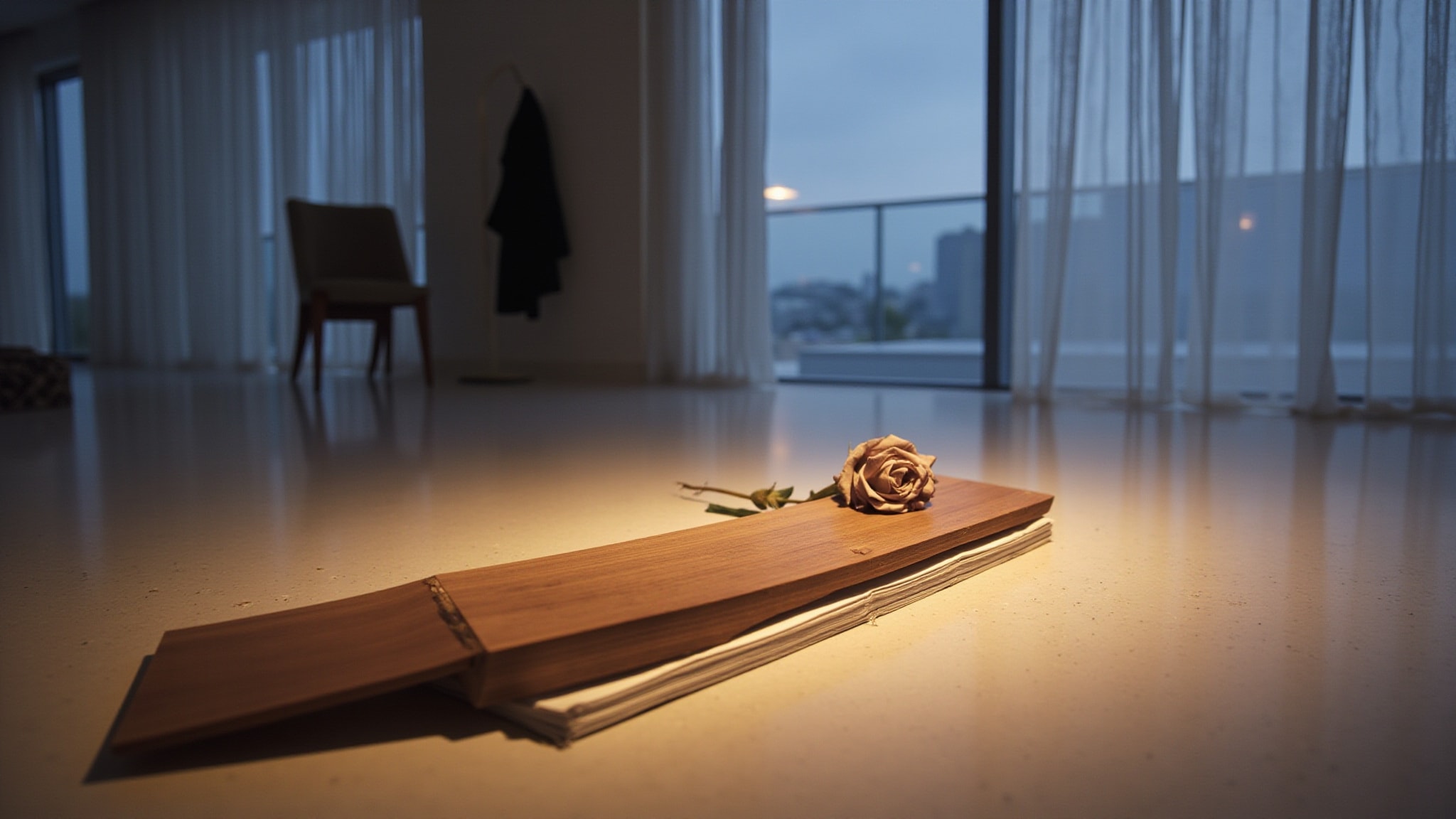
Cedar reads less like a perfume and more like a room someone built, a wooden interior holding warmth. It occupies a niche that most rose-woods avoid: rose paired with wood without sweetness, without gourmand softness, without the overt femininity that mainstream florals tend to trade in. The result is something that feels architectural rather than decorative. It carries the gravity of cedar smoke and the faint sweetness of a dried rose petal pressed between two boards, more weathered than fresh.