The Story
Why it exists.
The beginning
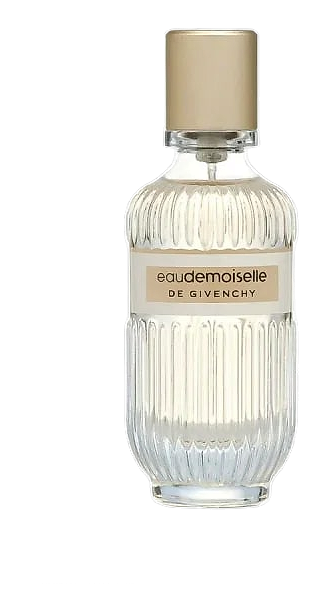
Eau de Moiselle arrived in 2010, composed by François Demachy for Givenchy's more accessible floral range. The name itself is the clue, Moiselle evokes the wild roses of the French countryside, translated here into scent. Demachy described his intent as creating 'an imaginary rose in dewy morning', not a literal garden rose, but something more evocative, built from citrus and ylang-ylang rather than the expected petal structure. It sits alongside Givenchy's heavier signatures as a counterpoint: lighter, more approachable, but still unmistakably the house's hand.
What makes this work is the ambrette. Most florals lean on musk for their skin-close warmth, but ambrette, musk mallow, brings something different: a faint vegetable quality, almost like the smell of fresh soy, that keeps the base from feeling generic. Combined with tonka bean's vanillic sweetness, it creates a drydown that reads as powdery without being dusty. The ylang-ylang does heavy lifting too, its creamy, slightly narcotic character means the rose doesn't need to shout. It's present, it's warm, it's the point. But it arrives quietly.
The evolution
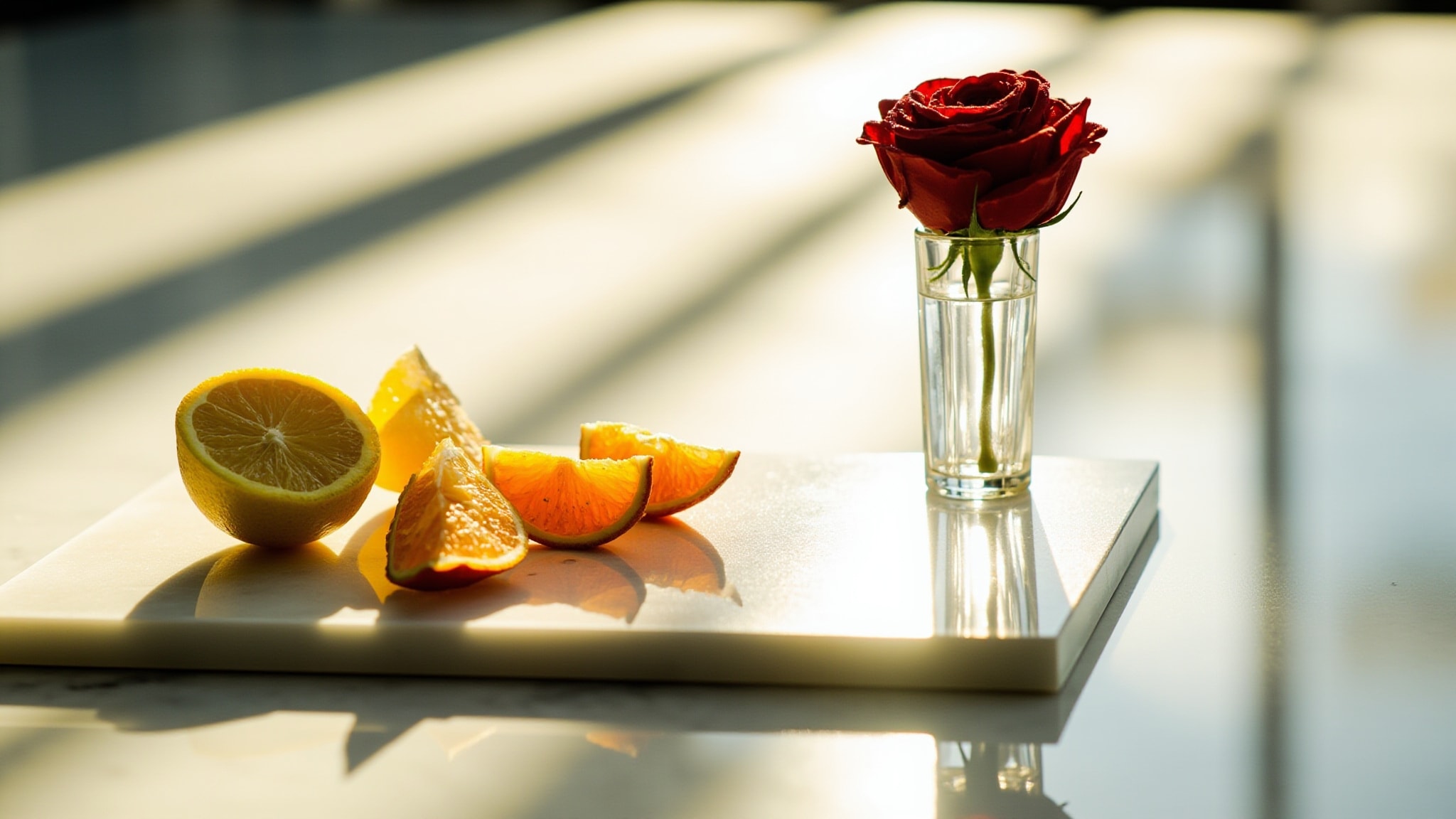
The opening is a citrus flash, lemon and tangerine burst, basil adds a green, almost anise-like edge that fades within minutes. By the time you reach for your wrist, the rose is already there, not announcing itself, just present. The ylang-ylang layers underneath, adding a creaminess that keeps the floral from smelling sharp or green. This is the fragrance's longest phase, a quiet floral warmth before the base begins to settle. The drydown is where ambrette and tonka take over. The rose lingers in memory, but the sillage becomes intimate, skin-close, the kind of scent someone notices only when they're close enough to hug.
Cultural impact
Eau de Moiselle represents Givenchy's move toward a lighter, more approachable floral, one that doesn't sacrifice the house's couture sensibility. Ideal for younger wearers or those seeking an everyday Givenchy, it occupies a space between the house's heavier signatures and the mass market. The architectural bottle, with its discrete curves and golden stopper, signals refinement without demanding attention.