The Story
Why it exists.
The beginning
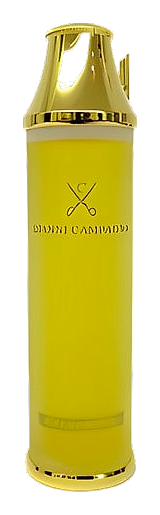
Gelsomino is the Italian word for jasmine, and Gianni Campagna named this fragrance for exactly what it is: wild jasmine, intense and unfiltered. The brand draws on memories of native Sicily, where jasmine grows differently than it does in cultivation, bolder, more aromatic, less polite. Rather than distilling jasmine into something clean and consistent, Gelsomino seems to preserve that wildness, the idea that a single flower can be more interesting than a composed accord. It arrived in 2006 as part of a concentrated burst of releases from the house, each naming its central material directly. This one chose jasmine and let it speak.
What makes Gelsomino interesting is the structure hidden beneath that single-note name. The reviews reveal a composition with more layers than the official pyramid suggests, a sharp, almost challenging opening that some wearers compare to acetone or wilted flowers, which then transforms into something balsamic, resinous, and unexpectedly warm.
The evolution
The opening announces itself abruptly, sharp, almost confrontational, the kind of jasmine that doesn't apologize for being wild. For some wearers, this first phase reads as almost harsh, something that fades faster than you'd expect. Then the flowers come back. Not the same flowers, these arrive balsamic and resinous, sweet in a way that suggests warmth rather than sweetness. The transition is the thing. One reviewer described it as watching wilted flowers resurrect into something opulent. What stays longest is that leathery-resinous drydown, the part that makes strangers lean in and ask.
Cultural impact
Gelsomino entered a niche fragrance landscape still finding its identity in 2006. The Gianni Campagna house represented a distinctly Italian small-batch approach, one that rejected mass-market positioning in favor of regional sourcing and artisanal production. This jasmine soliflore arrived during a period when European niche houses were exploring material-driven perfumery, using single-note concepts to question what authenticity meant in fragrance.