

Heritage
A house, in its own words
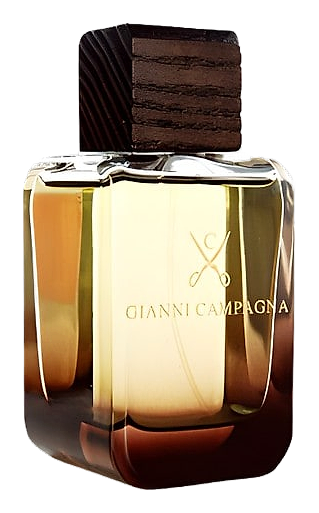
Gianni Campagna was founded in Milan in 2000, placing its early history within the city’s long association with fashion, design, and the Italian art of living well. The first documented release from the house is Bespoke, also dated to 2000, a name that suggests personal taste and individuality rather than a uniform fragrance concept. The house then built most of its catalogue in 2006. Parfumo records seven fragrances with known release years, six of which appeared in 2006, while fragrance databases list three titles from that year, including Gelsomino and Ciuri Ciuri. This clustering gives the house a distinctive timeline: an early founding release followed by a concentrated period of creation. The available record does not identify a long line of ancestors, inherited techniques, or successive founders, so the brand’s story is better understood through its products and its Milanese setting than through a multigenerational narrative. Gianni Campagna’s heritage is modern and compact. It emerged at the turn of the century, established its most visible body of work in the middle of that decade, and developed a reputation through named compositions rather than frequent expansion. Independent perfume listings consistently place the house in Italy and connect it with Milan. Because detailed archival material about its early years remains limited, claims beyond the founding date and documented releases should be treated cautiously. The clearest expression of Gianni Campagna’s creative direction can be read through its fragrance names and the range of its catalogue. Bespoke presents fragrance as a personal selection, one chosen to reflect the wearer rather than imposed as a universal identity. Gelsomino names its central floral idea directly, placing jasmine at the centre of the composition. Ciuri Ciuri draws on a distinctive Italian expression, extending the house’s cultural reference points beyond a narrow Milanese vocabulary. Together, these titles suggest a brand that favours evocative names, recognisable olfactory themes, and a sense of place. The catalogue’s mix of floral and traditionally structured fragrances also indicates an interest in perfume as a personal accessory with its own character, not simply a trend-led product. Public descriptions of the house often summarise its identity through the language of Italian chic, but that phrase has not been supported by specific independent evidence about design, collaborations, or social influence. It is safer to understand Gianni Campagna’s philosophy through observable choices: a restrained number of releases, meaningful names, and compositions that can be placed clearly within established European perfume traditions. The brand’s approach appears selective rather than industrially expansive. Its history shows one early launch followed by several concentrated releases, not the constant turnover associated with houses designed primarily around commercial scale.