The Story
Why it exists.
The beginning
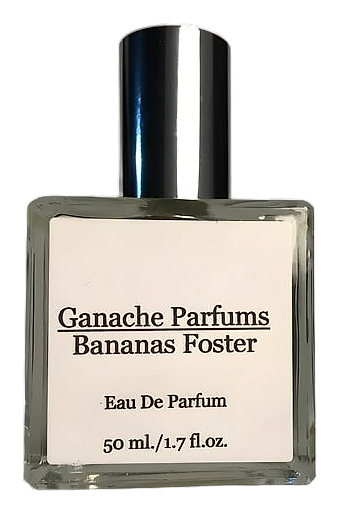
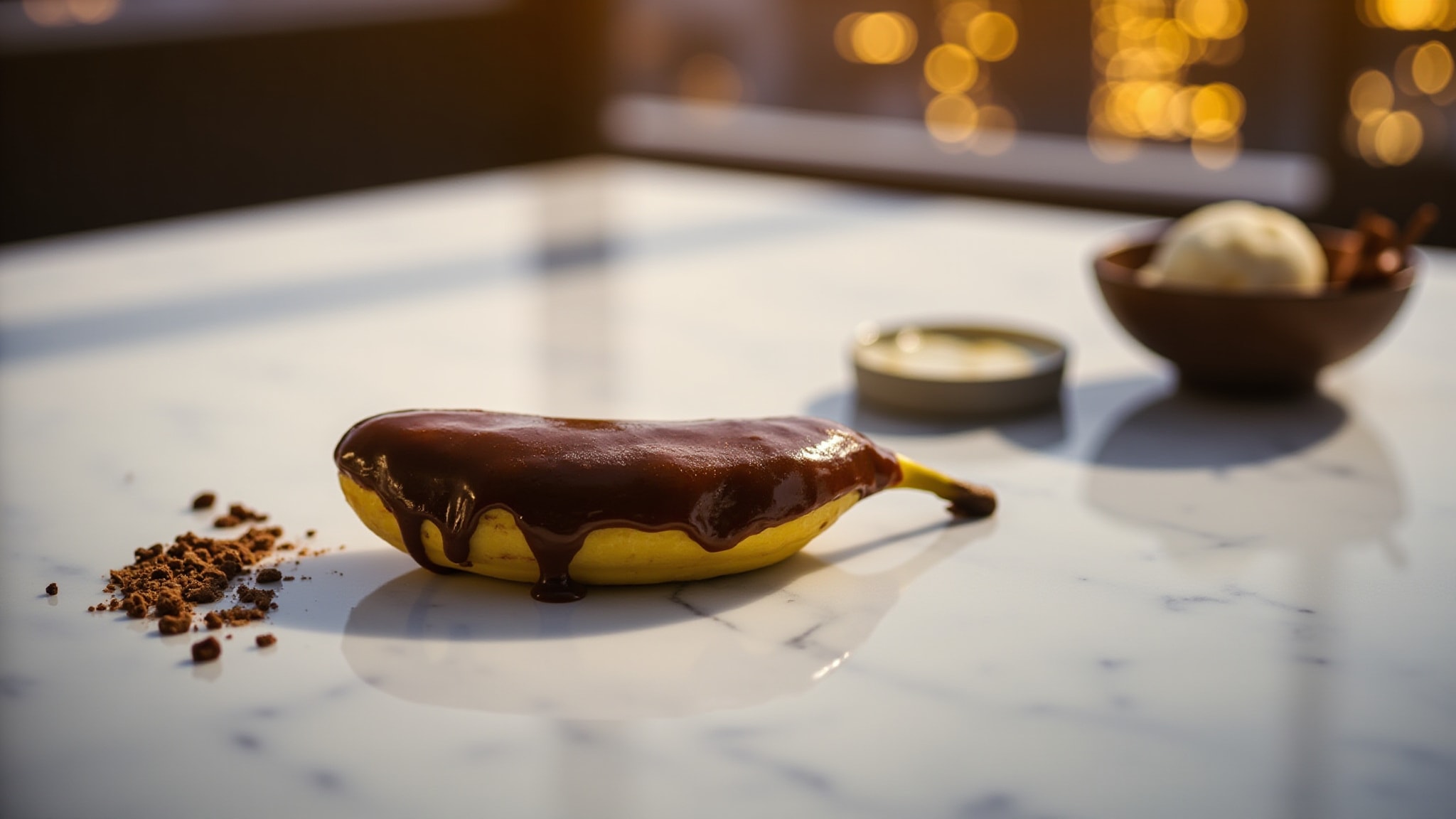
Bananas Foster is a classic New Orleans dessert, bananas caramelized in butter, brown sugar, cinnamon, and dark rum, flambéed tableside and served over vanilla ice cream. The dish has been on menus since the 1950s, named for a local restaurant regular who happened to share a last name with a famous financial crisis. It's indulgent, theatrical, and deeply tied to a city that treats food as culture. When Jarekhye Covarrubias reached for a Ganache Parfums composition that could translate that energy, Bananas Foster was the obvious, and only, name.
The challenge with banana in perfumery is getting past the artificial. Natural banana extract leans green and slightly chemical; most commercial banana fragrances veer into bubble gum or synthetic fruitiness. Covarrubias starts with intensity, a blast of ripe, almost-overwhelming banana at the opening, then steers it toward warmth by anchoring the heart with rum and caramel. The cinnamon isn't a spice note so much as a structural element: it holds the sweetness without letting it collapse into syrup. What could read as novelty instead reads as commitment.
The evolution
The opening is banana and little else, loud, bright, unapologetically synthetic in the best way. Think ripe fruit that's been left in the sun too long, the kind that's almost ready to turn. Within minutes the caramel creeps in, followed by a warmth that softens the edges. The cinnamon arrives as a steady hand, keeping everything grounded. By the second hour, the rum surfaces, not alcoholic, just warm and dark, like the pan just pulled from the flame. The drydown is vanilla-forward, soft and powdery, the ghost of ice cream melting into caramel sauce. What stays longest is the banana, dried now, chewy rather than fresh, with a quiet caramel finish that clings to warm skin.
Cultural impact
Ganache Parfums occupies a specific niche in American indie perfumery: accessible gourmand without the lifestyle posturing. Bananas Foster landed in 2017, a period when sweet fragrances were reasserting themselves after years of oud and leather dominance. It found an audience among people who wanted fragrance to feel like comfort rather than costume.