
The Story
Why it exists.
The beginning
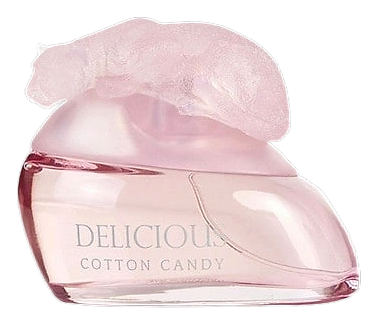
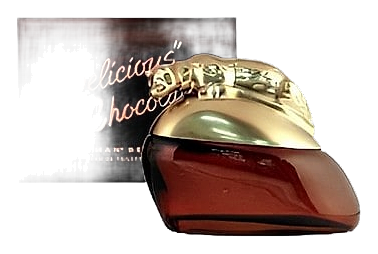
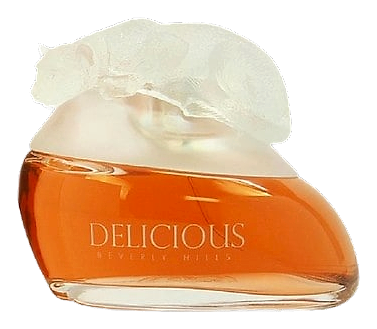
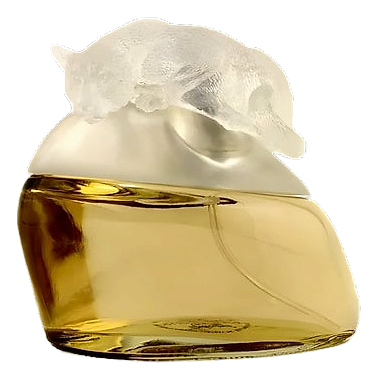
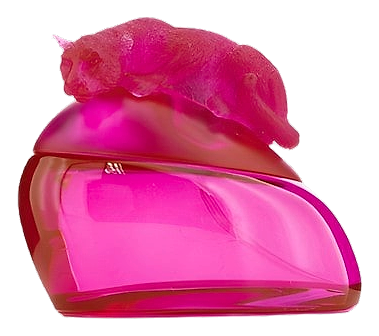
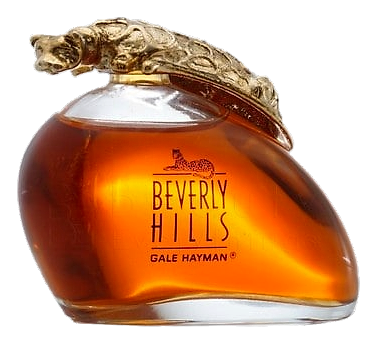
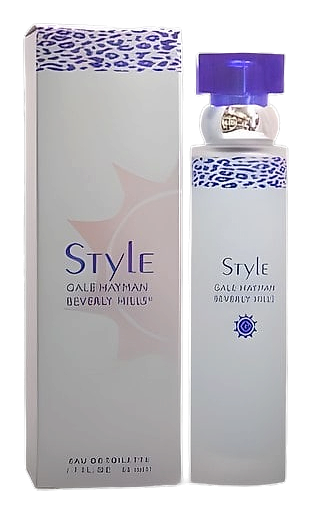
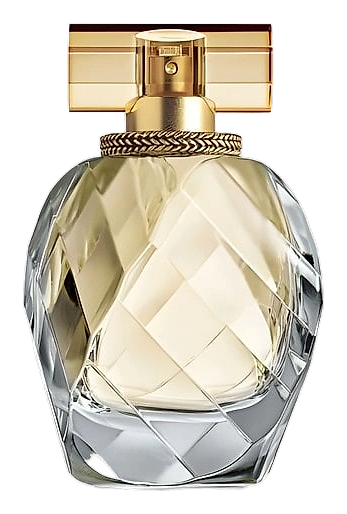
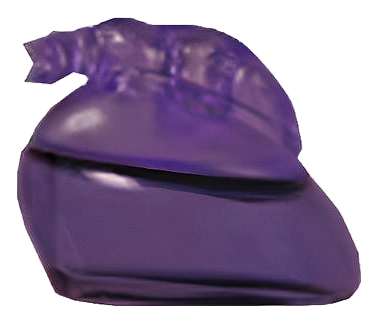
The Delicious line from Gale Hayman takes the brand's emotional naming philosophy into gourmand territory. Where other houses describe what's inside the bottle, Hayman names what's inside the wearer. Delicious Temptation arrived with a straightforward proposition: what if desire had a scent? The name says everything the notes don't need to. Temptation isn't a flavor or a flower. It's a feeling about to happen.
The apricot and mandarin opening gives it immediate appeal, the kind of sweetness that doesn't ask permission. But Hayman's approach has always been more sophisticated than mere gourmand. The heart flowers, tiare, rose, freesia, keep it from sliding into pure confection. The drydown is where the temptation actually works: vanilla and amber over sandalwood and musk, warm enough to remember, close enough to need.
The evolution
It opens bright. Apricot almost syrupy, mandarin cutting clean through. For the first twenty minutes, this reads fruity and friendly. Then the florals arrive, tiare pulling the freesia into something creamier. The rose doesn't announce itself, it settles under the surface like a second thought. By hour two, the fruit has softened. Vanilla and amber come forward, sandalwood giving it weight. The musk keeps everything warm and skin-adjacent. By hour four, it's quiet. The kind of sillage that only someone pressed close will notice. This is a fragrance that wants intimacy over impact.
Cultural impact
Delicious Temptation emerged in 2004 during the peak of celebrity perfume culture when Hayman, a recognized celebrity stylist, used personal branding to create accessible luxury fragrances. The Hayman Delicious line pioneered the food-inspired category that later influenced the entire modern niche market, normalizing playful, edible-smelling compositions in mainstream retail. Unlike heavy oud or complex chypres dominating the era, this apricot-vanilla direction demonstrated that approachable, cheerful scents could earn serious fragrance credibility. The line's success validated that consumers wanted fragrance to feel like a treat rather than an investment piece.