The Story
Why it exists.
The beginning
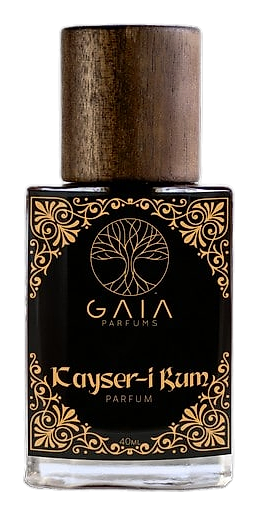
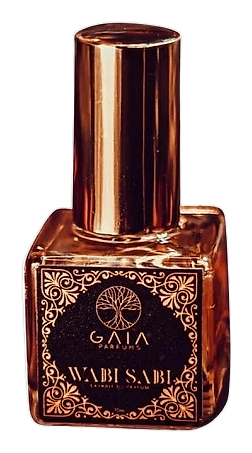
Wabi Sabi was created by Anas Sabrani for Gaia Parfums, the Karachi-based indie house that works with small batches of natural materials. The fragrance is named after the Japanese aesthetic that finds beauty in imperfection and transience, a philosophy that might seem distant from the brand's South-Asian roots but shares a common thread: an appreciation for what is quiet, honest, and layered. Sabrani chose to open with rose and saffron, materials that carry immediate sophistication but also carry cultural weight across both regions. The decision to feature oud in the drydown was deliberate, not default. Rather than leading with the expected richness, the composition begins with brightness and allows depth to arrive gradually.
The note structure of Wabi Sabi was designed to reflect wabi-sabi through its arc rather than through any single material. Rose and saffron do not last, they bloom and fade. Jasmine bridges the transition, soft and fleeting. The base of ambergris, oud, myrrh, and sandalwood is where the fragrance finds its permanence, where the beauty becomes less immediate and more contemplative. This ordering matters. The philosophy is not just a name; it is embedded in how the scent moves. Pairing jasmine with ambergris was a deliberate choice, the floral sweetness of jasmine balancing the marine, animalic warmth of ambergris.
The evolution
The opening of Wabi Sabi is a study in controlled contrast. Rose and saffron arrive tog ether, their combination creating something that feels both familiar and unexpected. Saffron brings its signature metallic spice, while rose offers sweetness that could tip into sentimentality without the saffron to ground it. The pairing lasts roughly fifteen minutes before the heart begins to emerge. Jasmine enters not as a dramatic shift but as a gentle transition. The floral middle ground feels softer than the opening, providing a bridge between the initial brightness and what follows. The drydown takes its time, unfolding over hours rather than minutes. Ambergris appears first, adding warmth that feels slightly animalic and ancient. Oud and myrrh then rise tog ether, their resinous, smoky qualities providing depth. Sandalwood arrives last, its creamy woodiness creating a foundation that holds the other base notes in place without overwhelming them.
Cultural impact
Since its 2020 release, Wabi Sabi has become a touchstone for collectors seeking a refined oud that isn’t overtly smoky. Its blend of saffron‑kissed rose and creamy sandalwood has been highlighted in niche forums as a modern reinterpretation of traditional Eastern accords, earning it a reputation as a quiet but confident statement piece.