





The Heritage
The Story of Gaia Parfums
Gaia Parfums is an independent perfume house rooted in Karachi, Pakistan. It produces small‑batch, natural and organic fragrances that draw on the city’s cultural crossroads and the wider South‑Asian heritage. Each scent is handcrafted, aiming to translate memory, place and emotion into a bottle that feels both intimate and worldly. The brand’s catalogue spans aromatic narratives such as Songs of Thar (2020) and Berlin Affair (2025), offering collectors a glimpse of the region’s olfactory vocabulary.
Heritage
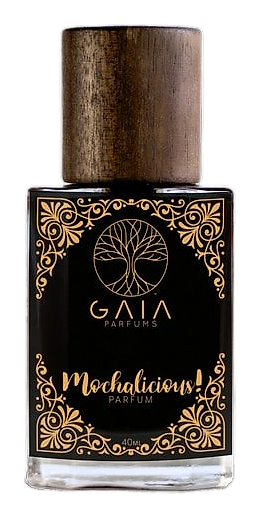
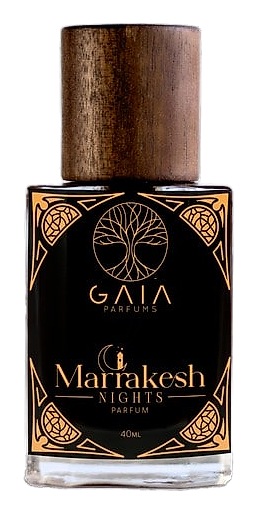
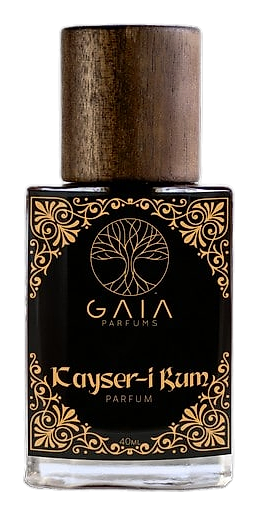
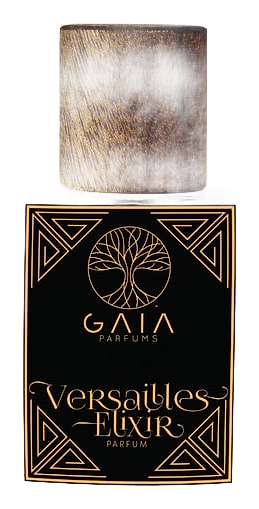
Gaia Parfums emerged as Pakistan’s first niche, indie, artisanal perfume house, a claim confirmed by multiple independent listings that describe the brand as a pioneer in the local niche market. Founded in Karachi, the house set out to fill a gap left by mass‑market offerings, focusing on small‑batch production and natural, often organic, ingredients. Early on, the brand announced its creative direction under Ovais Saleem, a figure who guides the narrative behind each launch. In 2020 the house released Songs of Thar, a fragrance that referenced the desert landscapes of Sindh and quickly attracted attention from regional scent enthusiasts. The following year saw two releases, Kayser‑i Rum and Mochalicious, both of which highlighted the brand’s willingness to experiment with unconventional accords while staying true to a natural‑ingredient ethos. 2023 marked a prolific period with Marrakesh Nights and Versailles Elixir, scents that blended North‑African spice notes with European historic references, underscoring Gaia’s cross‑cultural storytelling. 2024’s Babur's Legacy paid homage to the Mughal emperor, using ingredients sourced from historic trade routes. By 2025 the house had expanded its narrative scope with Berlin Affair, a modern urban portrait, and Wolves of Memory, a darker, introspective composition. The most recent addition, Bāb as‑Salām (2026), continues the tradition of linking place, history and feeling. Throughout its growth, Gaia Parfums has maintained a modest social‑media presence on Instagram and Facebook, where it shares behind‑the‑scenes glimpses of its workshop, raw materials and the people who shape each bottle. This transparent approach has helped the brand build a community of scent lovers who value authenticity over hype.
Craftsmanship
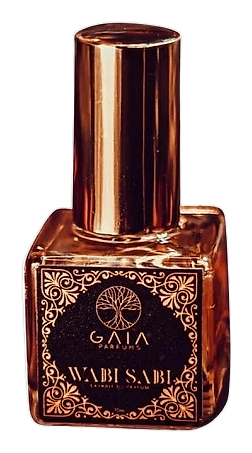
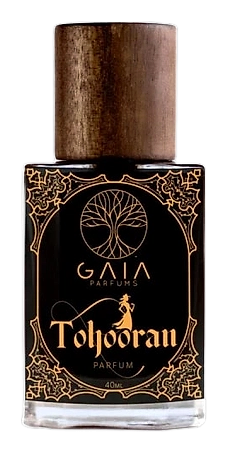
Gaia Parfums operates a modest workshop in Karachi where each perfume is assembled by hand. The production process begins with the selection of natural and organic raw materials, many of which are sourced from regional farms or traditional suppliers in South‑Asia and the Middle East. Ingredients such as Indian sandalwood, Moroccan rose, and Pakistani jasmine are procured with an eye toward ethical harvesting practices; the brand’s public statements note that it prefers partners who follow sustainable cultivation methods. Once the raw materials arrive, they undergo a maceration phase in glass vessels, allowing the essential oils to meld over weeks or months depending on the composition. The house avoids synthetic fixatives, instead relying on natural resins and ambergris alternatives to stabilize the fragrance. After maceration, master artisans perform a series of quality checks, including olfactory evaluation by multiple noses to ensure consistency across batches. The final blend is then decanted into hand‑blown glass bottles that are sealed with wooden caps, a detail that reflects the brand’s artisanal ethos. Bottles are labeled with minimalist typography and a brief story card that explains the inspiration behind the scent. Throughout the process, the team records detailed batch logs, enabling traceability from seed to scent. This meticulous documentation supports the house’s claim of small‑batch integrity, as each release typically runs under a thousand units, allowing the brand to maintain a high level of oversight and to respond quickly to any quality concerns.
Design Language
Visually, Gaia Parfums presents a restrained, minimalist aesthetic that lets the fragrance speak for itself. Bottles are crafted from clear or lightly tinted glass, often featuring a simple cylindrical shape that feels both modern and timeless. The caps are typically made of reclaimed wood or brushed metal, providing a tactile contrast to the smooth glass. Labels use a clean sans‑serif typeface, with the fragrance name rendered in a modest size that avoids overt branding. The brand’s visual language extends to its digital platforms, where Instagram posts showcase close‑up shots of raw ingredients, handwritten notes and the quiet interior of the Karachi workshop. Color palettes for each fragrance draw from the scent’s narrative – for example, the Marrakesh Nights bottle carries a warm amber hue reminiscent of desert sunsets, while Berlin Affair adopts a cooler, steel‑blue tint to evoke urban architecture. Packaging boxes are unadorned, often wrapped in recycled kraft paper with a single embossed logo, reinforcing the house’s commitment to sustainability. This understated design approach aligns with the brand’s broader philosophy of letting story and scent dominate the experience, rather than relying on flashy marketing visuals.
Philosophy
The creative vision at Gaia Parfums rests on a simple premise: scent should be a conduit for story, not just a decorative accessory. The house describes its work as an exploration of heritage, cities and human emotion, a framing that appears consistently across its product descriptions and interview snippets. By privileging natural and organic raw materials, Gaia signals a commitment to sustainability and to the sensory integrity of each ingredient. The brand’s philosophy also embraces the idea of small‑batch craftsmanship, believing that limited production allows for tighter quality control and a more personal connection between creator and wearer. Creative direction under Ovais Saleem emphasizes research into regional histories, from the Mughal empire to contemporary urban life, translating archival notes and oral histories into olfactory form. This approach is reflected in the naming of each fragrance, which often references a specific place, era or emotional state. The house also values transparency; it frequently shares sourcing stories, such as the use of locally harvested rose petals or responsibly harvested oud, reinforcing a belief that the story behind a scent is as important as the scent itself. In practice, the philosophy translates into a collaborative process where perfumers, artisans and cultural researchers work side by side, ensuring that each bottle carries a layered narrative that can be discovered over time.
Key Milestones
2020
Release of Songs of Thar, a fragrance inspired by the Sindh desert.
2021
Launch of Kayser‑i Rum and Mochalicious, expanding the line with experimental accords.
2023
Introduction of Marrakesh Nights and Versailles Elixir, marking a cross‑cultural narrative phase.
2024
Babur's Legacy released, paying homage to Mughal history.
2025
Berlin Affair and Wolves of Memory added to the catalogue, reflecting modern urban and introspective themes.
2026
Bāb as‑Salām launched, continuing the brand’s focus on place‑based storytelling.
At a Glance
Brand profile snapshot
Origin
Pakistan
Collection
3
Fragrances released
Avg Rating
3.5
Community sentiment
Release Rhythm


