The Story
Why it exists.
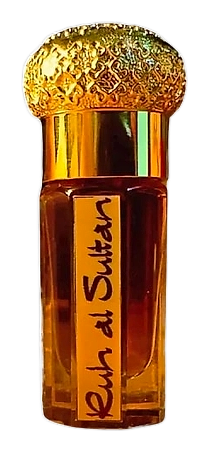
Ruh Al Sultan, meaning “Soul of the Sultan,” draws its narrative from the opulent courts of the Ottoman empire, where fragrance was a sign of power and poetry. Anas Sabrani set out in 2024 to capture that regal aura through a bouquet of Middle‑Eastern roses and jasmine, framed by the incense‑laden atmosphere of palace chambers. Gaia Parfums, Karachi’s pioneering indie house, channels its cross‑cultural roots to translate that historic grandeur into a modern, hand‑crafted bottle.
If this were a song
Community picks
Nightcall
Kavinsky
The Beginning
Ruh Al Sultan, meaning “Soul of the Sultan,” draws its narrative from the opulent courts of the Ottoman empire, where fragrance was a sign of power and poetry. Anas Sabrani set out in 2024 to capture that regal aura through a bouquet of Middle‑Eastern roses and jasmine, framed by the incense‑laden atmosphere of palace chambers. Gaia Parfums, Karachi’s pioneering indie house, channels its cross‑cultural roots to translate that historic grandeur into a modern, hand‑crafted bottle.
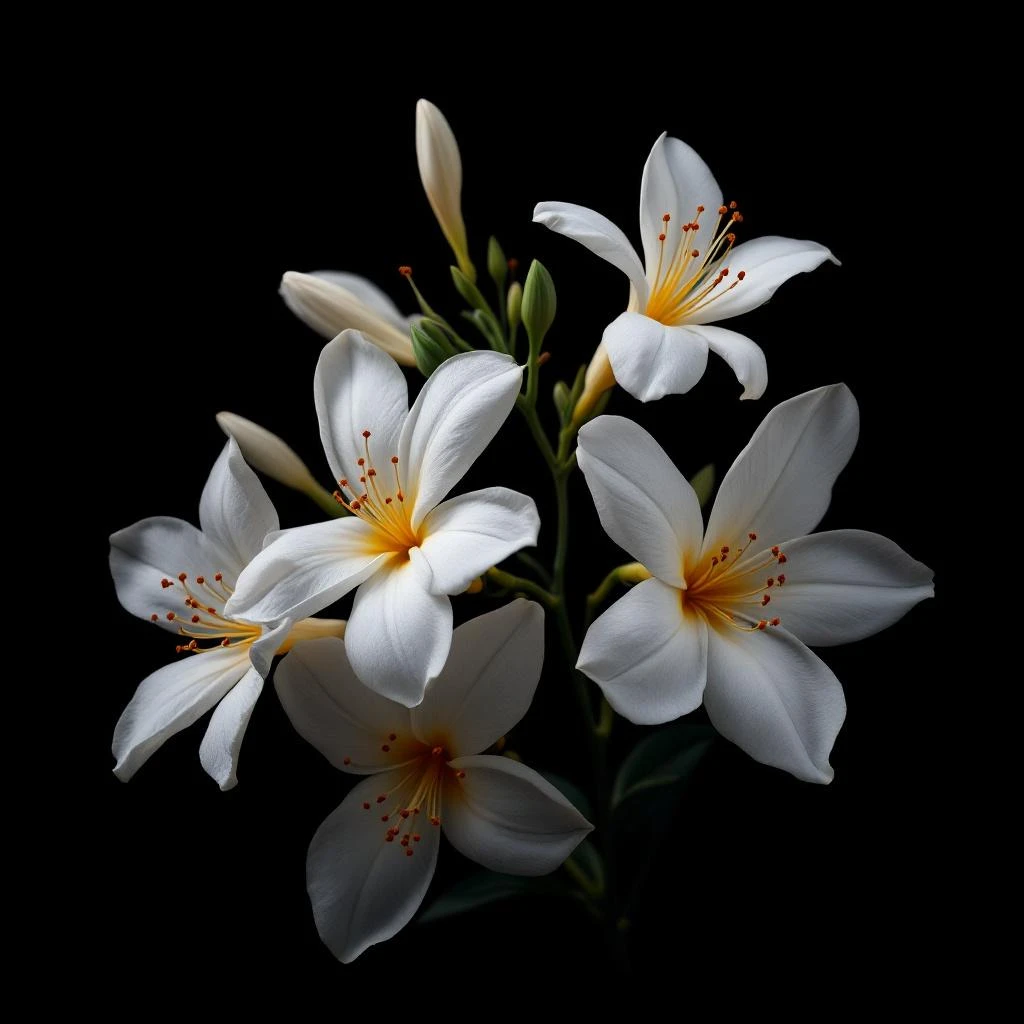
The heart assembles Egyptian jasmine with Bulgarian and Damask roses, a trio that evokes the fragrant gardens surrounding a sultan’s summer pavilion. Osmanthus slips in a subtle honeyed edge, while the base anchors the composition with Laotian oud, frankincense and Australian sandalwood, materials traditionally burned in royal ablutions. Vetiver and opoponax add an earthy, balsamic finish that recalls the cool stone floors of a marble courtyard after dusk.
The Evolution
The opening bursts with a bright flash of Egyptian jasmine that instantly lifts the senses, while a whisper of rose‑petal powder hints at the palace’s hidden gardens. Within ten minutes the bouquet deepens as Bulgarian and Damask roses intertwine, their velvety petals softened by the sweet, apricot‑like glow of osmanthus. As the heart settles, a warm, smoky veil of Laotian oud and frankincense rises, the oud’s resinous richness tempered by the creamy smoothness of Australian sandalwood. By the hour‑mark, the base settles into a grounded, earthy trail of vetiver and opoponax, the latter lending a subtle balsamic sweetness that lingers on skin and clothing alike. The drydown persists for four to six hours, leaving a faint amber‑toned echo that feels like the lingering incense of a private audience after the doors have closed.
Cultural Impact
Ruh Al Sultan taps into a resurgence of interest in Middle‑Eastern heritage fragrances, echoing the historic use of jasmine and oud in royal courts. Its launch in 2024 sparked conversations on social media about cultural authenticity, with perfumers and historians noting the careful balance of Egyptian jasmine against Laotian oud. The scent has been featured in museum exhibitions exploring scent as cultural memory, reinforcing the idea that fragrance can act as a bridge between past and present. By highlighting traditional ingredients while employing modern extraction methods, the perfume encourages a dialogue about preserving artisanal practices in a global market.
The House
Pakistan
Gaia Parfums is an independent perfume house rooted in Karachi, Pakistan. It produces small‑batch, natural and organic fragrances that draw on the city’s cultural crossroads and the wider South‑Asian heritage. Each scent is handcrafted, aiming to translate memory, place and emotion into a bottle that feels both intimate and worldly. The brand’s catalogue spans aromatic narratives such as Songs of Thar (2020) and Berlin Affair (2025), offering collectors a glimpse of the region’s olfactory vocabulary.
If this were a song
Community picks
The fragrance feels like a midnight stroll through a historic palace garden, rich, floral, and smoky with a lingering amber glow.
Nightcall
Kavinsky