The Story
Why it exists.
The beginning
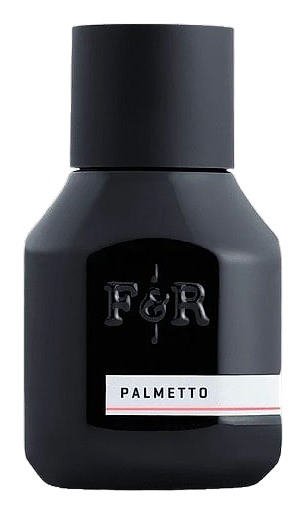
The Palmetto fragrance wanted to capture something vertical, the soul of a palm, not just its scent. Fulton & Roark looked at those sky-high fronds swaying in hot winds, the way palms move on and up through the landscape, and asked: what does that feel like as a fragrance? The answer lives in the quiet tension between green heights and warm earth, in the way a single palm can anchor a horizon. It's less an ideal and more a complete picture: lush leaves, slender trunk, the calm that comes from looking down from above.
What makes Palmetto interesting is how it refuses to soften the green. Most fragrances use bitterness as a bridge to something prettier, here, the green stays. It's the structural element, the backbone that keeps the composition from becoming just another sweet floral. The subtle spice whispers rather than shouts. It's a composition that knows what it wants to be: a green-spicy atmosphere, not a compromise.
The evolution
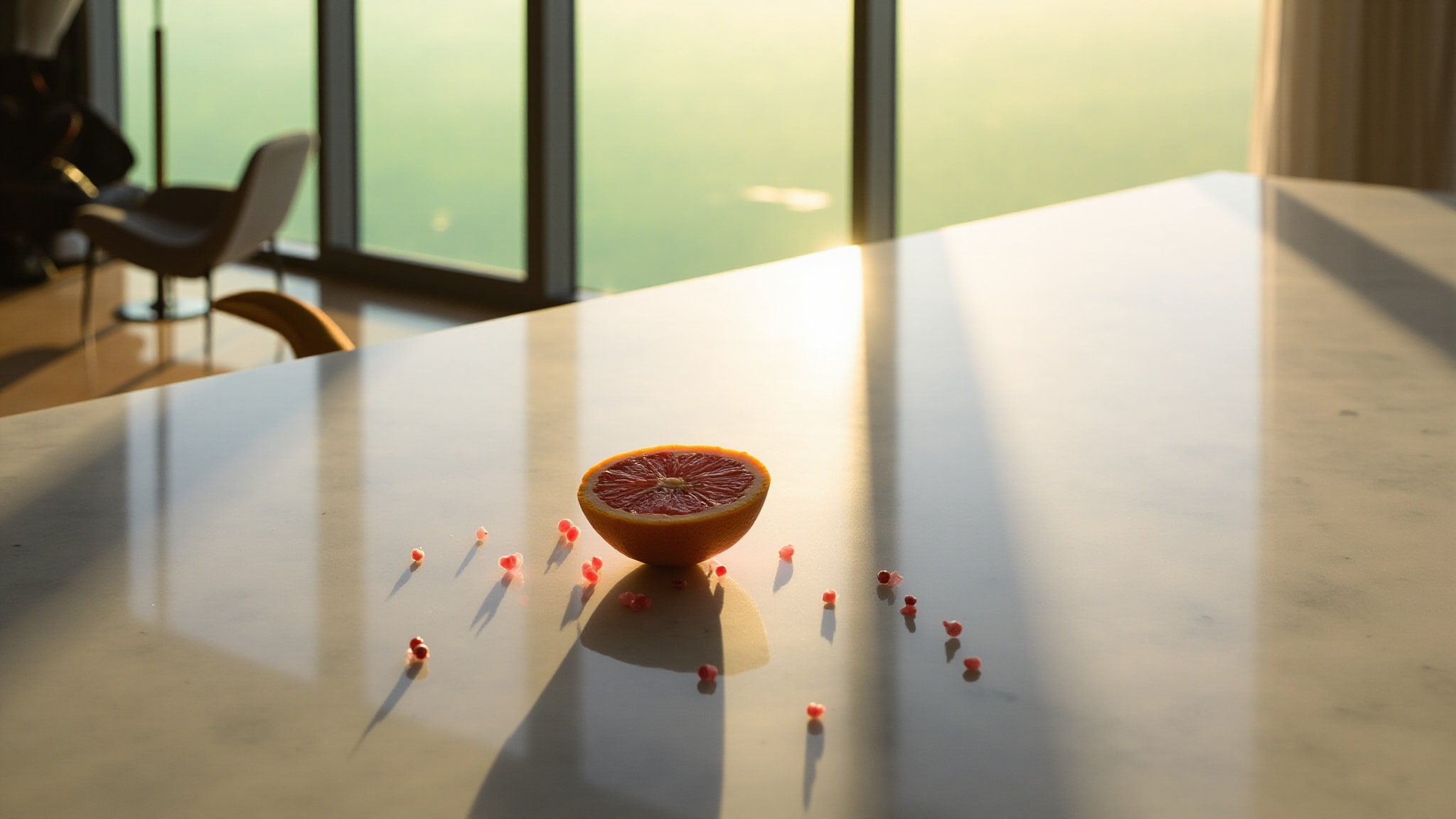
The opening hits bright and aromatic, grapefruit and pink pepper slicing through with crisp, lively energy. The citrus spark announces itself with clarity, while the pink pepper adds a gentle aromatic lift. Within the first hour, the floral heart begins to bloom, Magnolia and Neroli taking their turn as the opening settles. The green doesn't disappear, it softens, becomes the backdrop against which the floral sweetness plays. The drydown settles into warm wood and resin, intimate and close to the skin rather than filling the room.
Cultural impact
Palmetto sits in a corner of niche perfumery that values structure over sentiment. Where most green fragrances soften their bitter notes into something more wearable, this one keeps the green front and center. It's the kind of choice that divides opinion, which is exactly the point.