

The Story
Why it exists.
The beginning
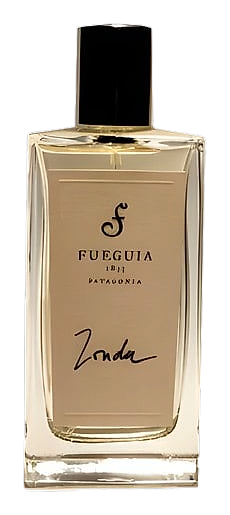
Zonda takes its name from the warm Andean foehn wind, the kind that descends from 6,000 meters and reshapes everything in its path. Julian Bedel designed this fragrance around that transformation: a descent from density to clarity, from weight to air. The reference point was botanical and literal, the wind carries the scent of the Aguaribay fruit, a pink pepper unique to the mountain range, and Bedel wanted to capture that mineral warmth alongside the green life it distills on its way down.
What makes Zonda unusual is the trajectory. Most woody fragrances move from bright to deep, citrus opening, heart settling, base anchoring. This one inverts that. The guaiac wood arrives full and slightly musty, the cedar cuts through like altitude air, and the black pepper lingers as a whisper in the drydown. It's a fragrance that asks you to trust the second half. The composition is deliberately sparse, three notes doing different work across the wear, which gives it a clarity that busier constructions lose.
The evolution
The opening hits with guaiac wood at full intensity. Warm, resinous, almost dusty, like opening a cabinet of old botanical specimens. It stays there for the first twenty minutes, and if you're expecting something cleaner, this is where patience earns its keep. Then cedar arrives. The shift is immediate and clarifying, that green, aromatic wood cutting through the density like a window opening at altitude. The transition doesn't erase the guaiac so much as frame it differently. By the third hour, the black pepper surfaces, subtle, warm spice rather than sharp, and the composition settles into something intimate and close. Moderate sillage means it stays near the skin after hour four. On fabric, it persists longer, a quiet green-wood memory into the next day.
Cultural impact
Zonda sits within the Destinos collection, a group of fragrances named for the landscapes and phenomena that define Patagonia. The house positions itself as the expedition-era naturalist, discovery and rarity over mainstream appeal. It's a fragrance for those who treat scent as field notes rather than status signal. The sparse note structure and the patience it demands reflect that ethos: not every fragrance opens with its best face forward.
The House
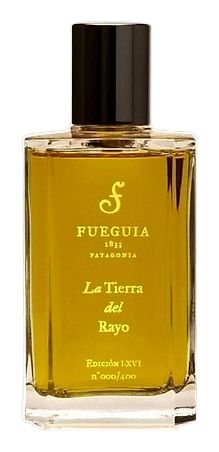
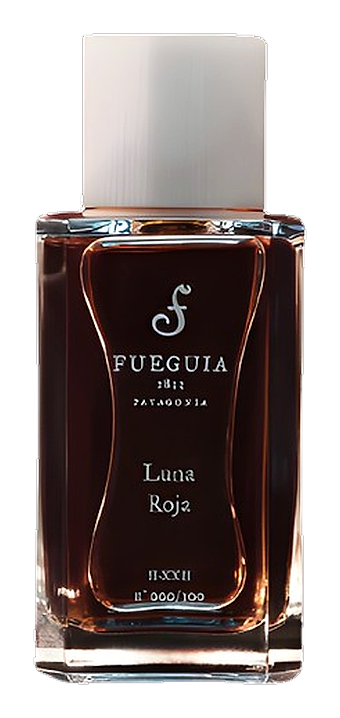
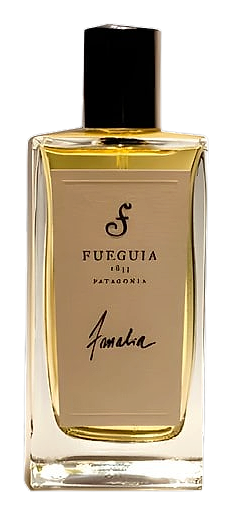
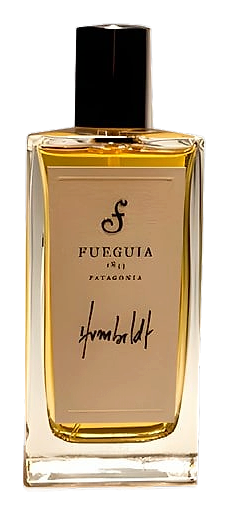
Fueguia 1833Fueguia 1833 is an Argentine fragrance house that creates limited‑edition scents rooted in the botanical heritage of Patagonia. Each perfume draws on medicinal plants harvested from the region’s wild landscapes, and the brand presents its creations as vintage‑style bottles that evoke a sense of travel and memory. The house operates a vertically integrated supply chain, growing, extracting and bottling its own raw materials, which allows it to maintain tight control over quality and environmental impact. Its collections, such as Rosa de los Vientos (2018) and Oud Jungle (2022), have attracted collectors who value authenticity and a narrative that links scent to place.
The Creator
Julian BedelJulian favors a palette that mixes rare South American botanicals with classic European absolutes. He often extracts essential oils from medicinal herbs such as catuaba, calafate and patagonian tea, then anchors them with ambergris, cedar and fine musks.