The Story
Why it exists.
The beginning
The Literatura collection pulls from Jorge Luis Borges, short stories, fictions, the idea that places carry memory. Pulpería takes its name from the general stores that anchored every Argentine neighborhood: where neighbors gossiped, traders rested, and the smell of cedar wood and dried pepper hung thick in the air. Julian Bedel built this fragrance to capture that atmosphere, not a museum piece, but the real thing, still running.
Three notes. That's the structure, and it earns its simplicity. Cedar sets the tone, raw, slightly humid, the kind of wood that remembers the hands that stacked it. Black pepper doesn't sneak in quietly; it arrives mid-conversation and stays. Elemi resin is the close: balsamic, warm, the faint sweetness of resinous sap that lingers after the shop lights dim. The result is a fragrance that smells like a place, not a concept, specific enough to feel true.
The evolution
The opening is all cedar, immediate and unconcealed. There's a humidor quality here, a dampness that reviewers have noted as the fragrance's most honest moment. Within thirty minutes, the black pepper asserts itself, warm, slightly gritty, the kind of spice that doesn't need to shout. By the second hour, the elemi resin softens everything. The sharp edges round off. The drydown turns powdery, close to skin, with cedar lingering like a memory of the opening. On most skin types, expect a full workday: eight to ten hours before the resin finally fades.
Cultural impact
Pulpería occupies a quiet corner of the niche fragrance world, for collectors who treat scent as field notes rather than status signals. The Literatura collection's literary framing attracts a specific reader: someone who found their way to fragrance through Borges, not beauty counters. The scent's moderate sillage and eight-to-ten-hour longevity make it a workhorse for those who want fragrance as a private companion rather than a public announcement.
The House
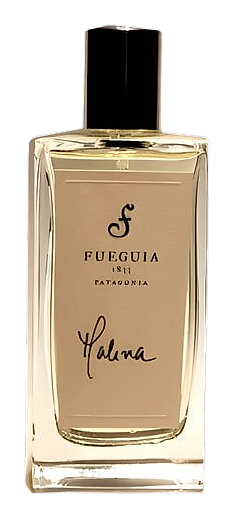
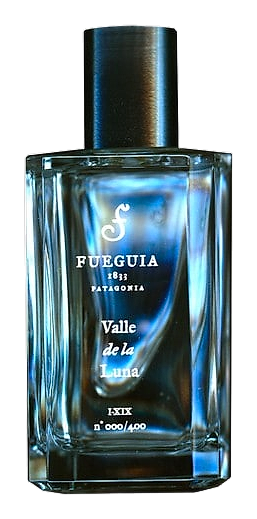
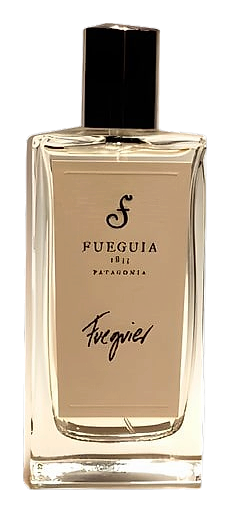
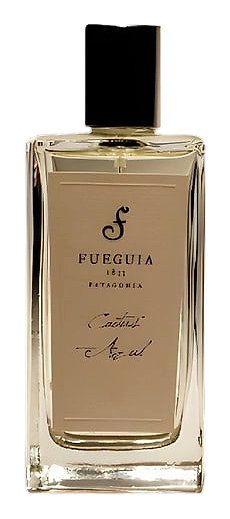
Fueguia 1833Fueguia 1833 is an Argentine fragrance house that creates limited‑edition scents rooted in the botanical heritage of Patagonia. Each perfume draws on medicinal plants harvested from the region’s wild landscapes, and the brand presents its creations as vintage‑style bottles that evoke a sense of travel and memory. The house operates a vertically integrated supply chain, growing, extracting and bottling its own raw materials, which allows it to maintain tight control over quality and environmental impact. Its collections, such as Rosa de los Vientos (2018) and Oud Jungle (2022), have attracted collectors who value authenticity and a narrative that links scent to place.
The Creator
Julian BedelJulian favors a palette that mixes rare South American botanicals with classic European absolutes. He often extracts essential oils from medicinal herbs such as catuaba, calafate and patagonian tea, then anchors them with ambergris, cedar and fine musks.