
The Story
Why it exists.
The beginning
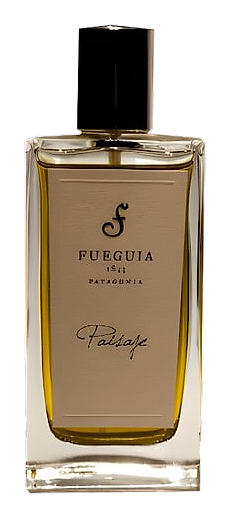
Julian Bedel named this fragrance Paisaje, landscape, and meant it literally. The Argentine perfumer, whose brand draws on Patagonia's botanical heritage, built this scent as a map of place rather than a parade of notes. Eucalyptus leads, a nod to the medicinal plants harvested from the region's wild steppes. Ginger follows as the warmth between cold air and warm skin. Cardamom closes the circuit. Three ingredients. One landscape. The kind of restraint that requires confidence.
The eucalyptus-ginger pairing is stranger than it first appears. Eucalyptus is camphoraceous, angular, almost aggressive. Ginger is bright and sharp but carries no sweetness. They vibrate against each other rather than blend. Cardamom solves this. Its dual nature, simultaneously warm and woody, gives the composition somewhere to land. On skin, the three notes don't layer so much as take turns. Each one arrives, claims its territory for an hour or so, then yields to the next. The effect is a complete arc in a single wearing. Not many fragrances bother with that kind of architecture anymore.
The evolution
The eucalyptus arrives first, immediate, medicinal, the smell of sharp air over open ground. No delay, no sweetness to ease you in. Ginger doesn't wait long. It builds underneath the eucalyptus, clean heat stacking on cool sharpness. Cardamom is the slowest arrival but the longest stay. Once it settles into the drydown, the other two notes don't so much disappear as become background to its warmth. The whole arc takes about four to six hours on most skin. On fabric, a wool jacket, a scarf, the cardamom holds longer. Some wearers report catching its ghost the next morning.
Cultural impact
Paisaje sits outside the mainstream. It is not trying to fill rooms or generate compliments. It is trying to smell like a place. This is the kind of fragrance that attracts people who treat scent as discovery rather than status, wearers who would rather smell like a field expedition than a department store. The sparse three-note structure is unusual in a market that rewards complexity. Whether that restraint reads as artistry or incompleteness depends entirely on the nose wearing it.