
The Story
Why it exists.
The beginning
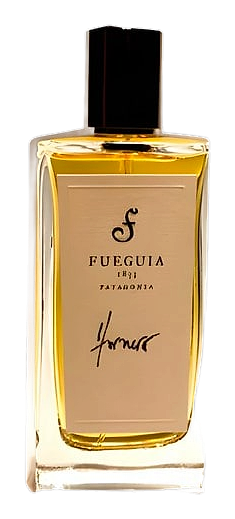
Hornero takes its name from the hornero bird, an Argentine species famous for building its nests from mud and wood with astonishing precision. The Fábula Fauna collection draws each of its scents from a creature in that landscape. This one belongs to the bird itself and the warm, root-lined interior of its home, a place shaped by instinct and repetition, where every twig and clump of earth is placed with care that borders on architecture.
The composition reflects that nestside image rather literally: vetiver is listed as the top note, then opoponax drapes over it in a slow, balsamic sweetness, a resinous quality that sits low and close to skin. A single tangerine note anchors the base, a vegetal sweetness rather than a juicy one, the smell of citrus peel left in a warm room rather than sliced over ice. Together they sketch the interior of a structure built from soil, dry fibers, and the faintest trace of fruit left behind by some passing creature.
The evolution
On skin, the green vetiver leads the first twenty minutes, cool and slightly bitter, like stems snapped fresh from a garden. Then the opoponax takes hold. The bitterness retreats and something warmer moves in: the smell of cooled church incense, a resinous sweetness that sits low and close. The transition is gradual but unmistakable; you feel it before you can name it. By the two-hour mark the tangerine has gone subtle. That single note carries the drydown for hours, a clean, almost edible warmth that lingers against the opoponax rather than competing with it. The green sharpness never fully vanishes; it retreats into the resin and reappears at the edges, giving the scent a kind of breathing quality, as if the nest itself is settling. Each phase folds into the next without rupture, so the wearer registers a continuous arc rather than three distinct stages.
Cultural impact
Hornero reads as a study in restraint rather than spectacle, a fragrance that asks you to lean in rather than step back. It has found a following among vetiver devotees and those drawn to amber-resin compositions that keep their sweetness in check. The tangerine note, single and unexpected at the base, gives it a warmth that suits cooler days when heavier orientals might feel too dense and brighter florals too thin.