The Story
Why it exists.
The beginning
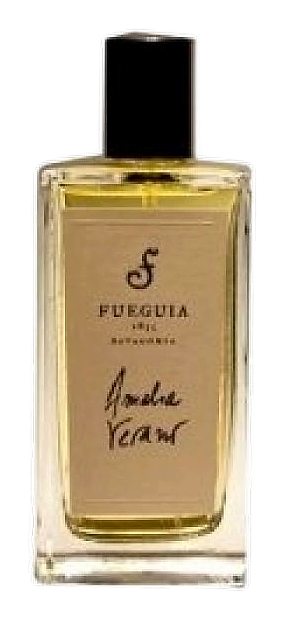
Amalia Verano arrived in the early stages of Fueguia 1833's catalog, one of the initial compositions from a house that would go on to build an extensive library of botanical work. The fragrance stakes out an unusual territory: a stripped-down composition built from just three materials, an exercise in restraint that runs against the layering one might expect. Three notes, no elaborate base, no woody depth pulling at the foundation. It's a study in what happens when a perfumer chooses to work with very little and trusts those materials to carry the entire weight. The composition has the feel of a seasonal sketch, something made for a specific window of warmth and light rather than a year-round wardrobe staple.
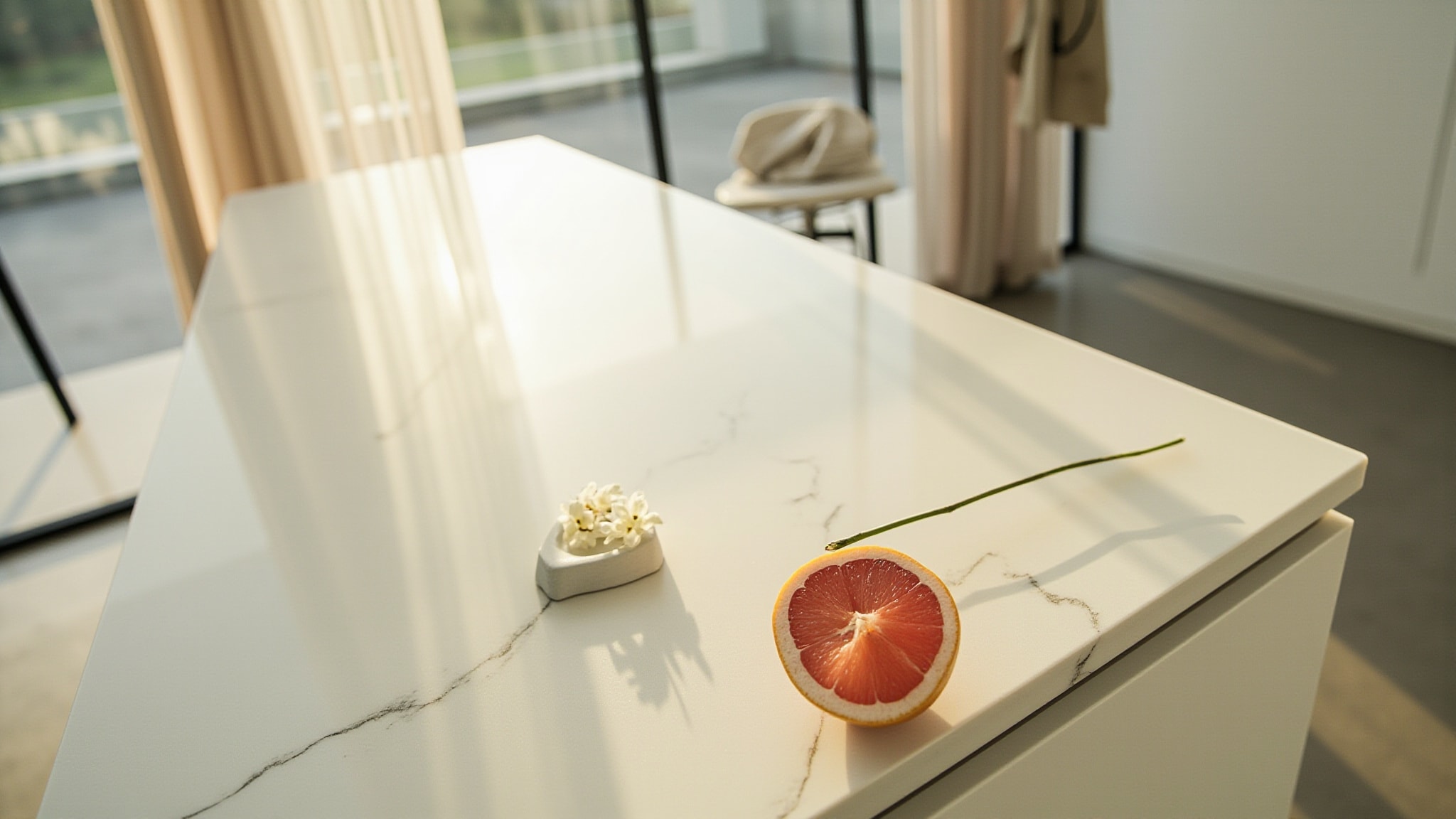
What's unusual here is the restraint. Amalia Verano works in a register that asks the citrus and the white floral to do everything: no resinous depth, no wood or musk pulling at the bottom, no heavy anchoring material to give the drydown a conventional shape. Three notes asked to carry a composition on their own, and that question is essentially the whole brief. The grapefruit brings the bitter edge, the tangerine brings sweetness and roundness, and the jasmine brings the soft floral lift that keeps the composition from reading as a straightforward citrus cologne.
The evolution
The opening is sharp grapefruit, almost bracing, the kind of bitter citrus peel that makes your mouth tighten on first spray. The tangerine arrives early and pulls the sharpness toward something sweeter and rounder, rounding off the angles without smoothing them entirely. Jasmine enters quietly, not the indolic, heady, almost animalic variety that dominates many white floral compositions, but something cleaner and more restrained, a floral note that behaves more like a whisper than a statement. There's no traditional base to anchor the drydown, so the whole composition behaves more like a single wave than a three-act structure. The citrus fades gradually, the jasmine lingers faintly through the later hours, and what remains eventually becomes more memory than presence. It's not built for longevity.
Cultural impact
Amalia Verano sits in an unusual corner of Fueguia 1833's catalog, a stripped-down composition that reads almost like a palate cleanser within a body of work known for density and material depth. Where much of the house's output explores heavy botanical terrain, this one goes the other direction entirely: three notes, no resinous undertow, no woody foundation. The simplicity is the point. Wearers who discover it tend to describe it less as a statement and more as a feeling: afternoon sun, clean skin, the kind of quiet confidence that doesn't need to announce itself.