The Story
Why it exists.
The beginning
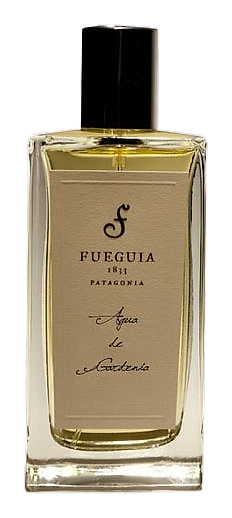
Julian Bedel designed Agua de Gardenia in 2014, working with gardenia as the focal point of the composition. The fragrance centers on the gardenia note, exploring its potential through unexpected combinations. The result is a white floral that doesn't rely on conventional sweetness or opulent richness. Instead, it presents gardenia in a cleaner, more austere register, allowing the flower's natural characteristics to emerge without embellishment. Two contrasting materials anchor the composition from the outset, creating a dialogue between delicate floral and earthy elements that defines the scent's character throughout its development.
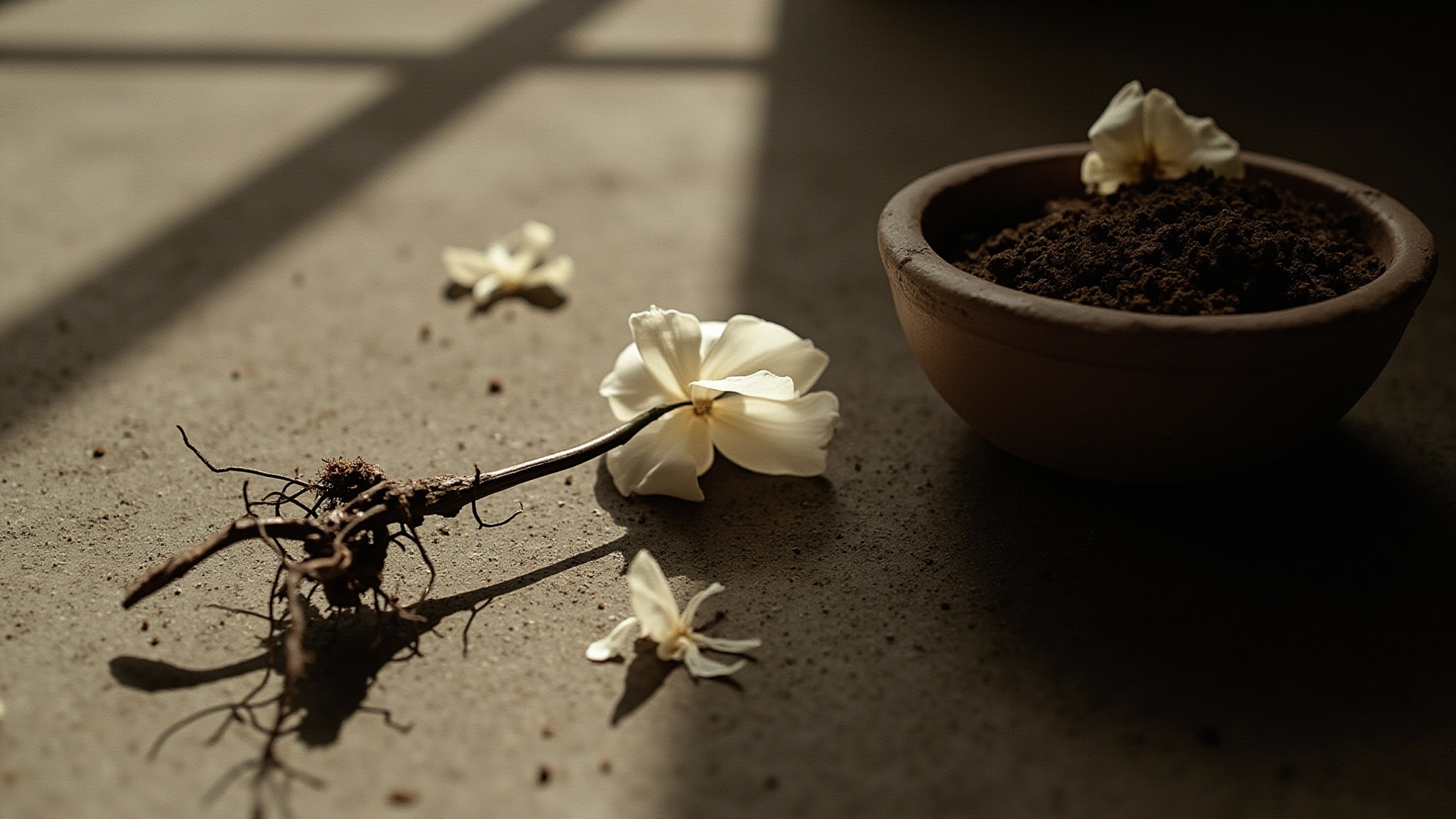
Gardenia and mushrooms might seem like unlikely companions, yet in this composition they find unexpected harmony. Paradisone acts as a central element, serving as a bridge between the delicate white floral and the earthy base. The synthetic jasmine accord contributes its own complexity, layering beneath the gardenia without simply sweetening or softening it. As the fragrance develops, the mushroom accord slowly surfaces, bringing an earthy, umami quality that adds depth and dimension to the gardenia.
The evolution
The gardenia arrives fresh and dewy, immediately green. Around the edges, a herbal quality, something almost medicinal. For the first fifteen minutes, it's surprisingly cool, almost aquatic. Then the mushroom begins to surface, not replacing the gardenia but co-existing with it. The two notes occupy different registers: the floral floating above, the mushroom grounded below. Around the forty-minute mark, the gardenia softens, taking on a powdery quality, while the mushroom solidifies its presence. The drydown is intimate, close to the skin, earthy and quiet, a white floral that decided to stop performing and just settle.
Cultural impact
Released in 2014 as part of the Armonías collection, Agua de Gardenia presents a gardenia-mushroom pairing that remains uncommon in perfumery. The combination challenges expectations about how white florals should be constructed, offering an alternative to more conventional approaches. The house has continued to explore unexpected material pairings, building a reputation for compositions that reward attention and resist easy categorization. Agua de Gardenia stands as an example of this investigative approach, demonstrating how familiar ingredients can be reframed through unusual combinations.