
The Story
Why it exists.
The beginning
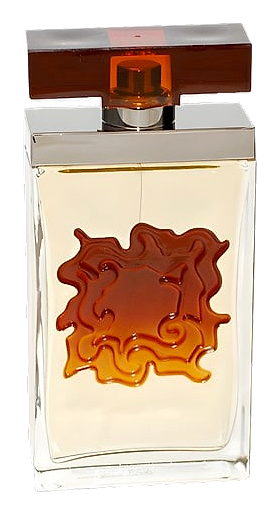
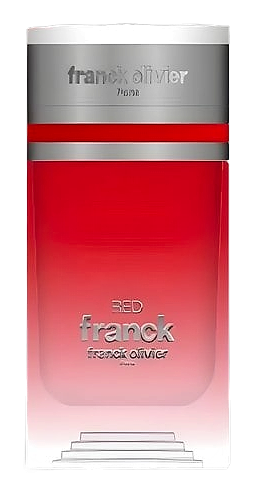
Franck Olivier built its identity on a single premise: French perfumery technique and Middle Eastern material culture aren't opposites, they're complements. The house was born in Dubai in 2004, when its founder saw a gap between what Gulf customers wanted and what the market offered. Franck Red arrived in 2017 as part of that ongoing conversation. It carries the red label, which in the house's visual language means warmth, evening, and something that lingers.
The structure here is unusual for a 2017 release, most houses were chasing marine accords and ozonic freshness. Instead, Franck Red leans into benzoin and amber from the base upward, with a heart of nutmeg and jasmine that keeps the top's fruity brightness from reading as casual. That tension, tart opening, resinous foundation, is the point. It's a fragrance that refuses to be only one thing.
The evolution
Blackcurrant and grapefruit hit first, bright, tart, almost sour enough to sting. Thirty minutes in, the jasmine emerges, softening everything. The nutmeg arrives around the one-hour mark, adding a sharp warmth that cuts through the sweetness. Then the amber takes over. Not dramatically, it just slowly becomes the only thing you smell. Six to eight hours later, the benzoin holds on fabric, a warm whisper on skin that someone nearby might notice before you do.
Cultural impact
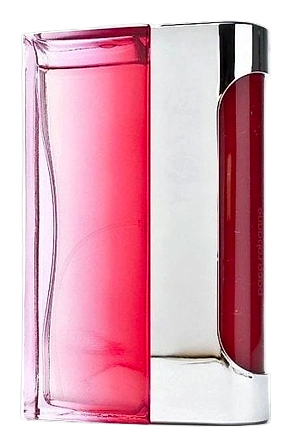
Franck Red occupies a specific corner of the market, men who want warmth and sweetness without the aggressive projection that often comes with oriental fragrances. It's been compared to Paco Rabanne UltraRed Man, though wearers describe it as warmer and less metallic. The 2017 launch placed it in a moment when fruity-spicy men's fragrances were transitioning from club-scene territory to everyday wearability. What sets it apart is the amber-benzoin foundation, which keeps it grounded long after the top notes fade.