The Story
Why it exists.
The beginning
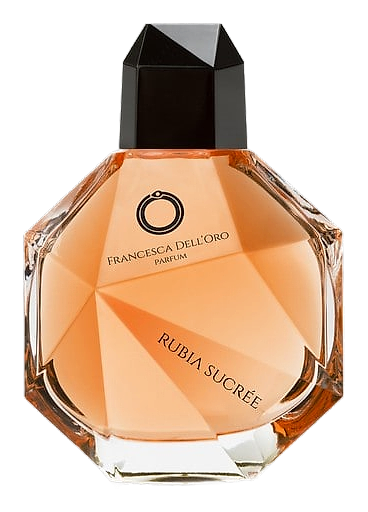
Rubia Sucrée balances earthy and indulgent, refusing to commit fully to sweetness. It's the tension between the grounded and the luxurious that defines this 2017 release. The fragrance opens bright, tart, almost sharp, then settles into something warmer and more willing. The citrus isn't background decoration. It's the counter-argument to the sugar. Without it, Rubia Sucrée would be dessert. With it, it becomes something you wear to dinner, to the afternoon, to the kind of evening where you want to be remembered but not announced. The Profumeria Amyris description captures this duality by calling it the most gourmand and fruity sensuality, full of warmth and joy, yet that warmth never overwhelms or cloys. There's a restraint here that rewards patience.
What makes the composition work is the way it refuses a hard pivot. Most sweet-citrus fragrances treat the opening and the drydown as two separate fragrances. Rubia Sucrée threads them together. The fig leaf and ginger flower in the top provide a green, slightly spiced foundation that doesn't disappear, it waits. The jasmine absolute arrives in the heart not as a floral rescue mission but as a bridging material, its indolic warmth softening the almond into something that smells less like marzipan and more like the air outside a bakery at dusk. By the time vanilla and tonka bean arrive, the skin has been prepared. The sweetness doesn't hit, it settles, like sugar stirred into warm milk.
The evolution
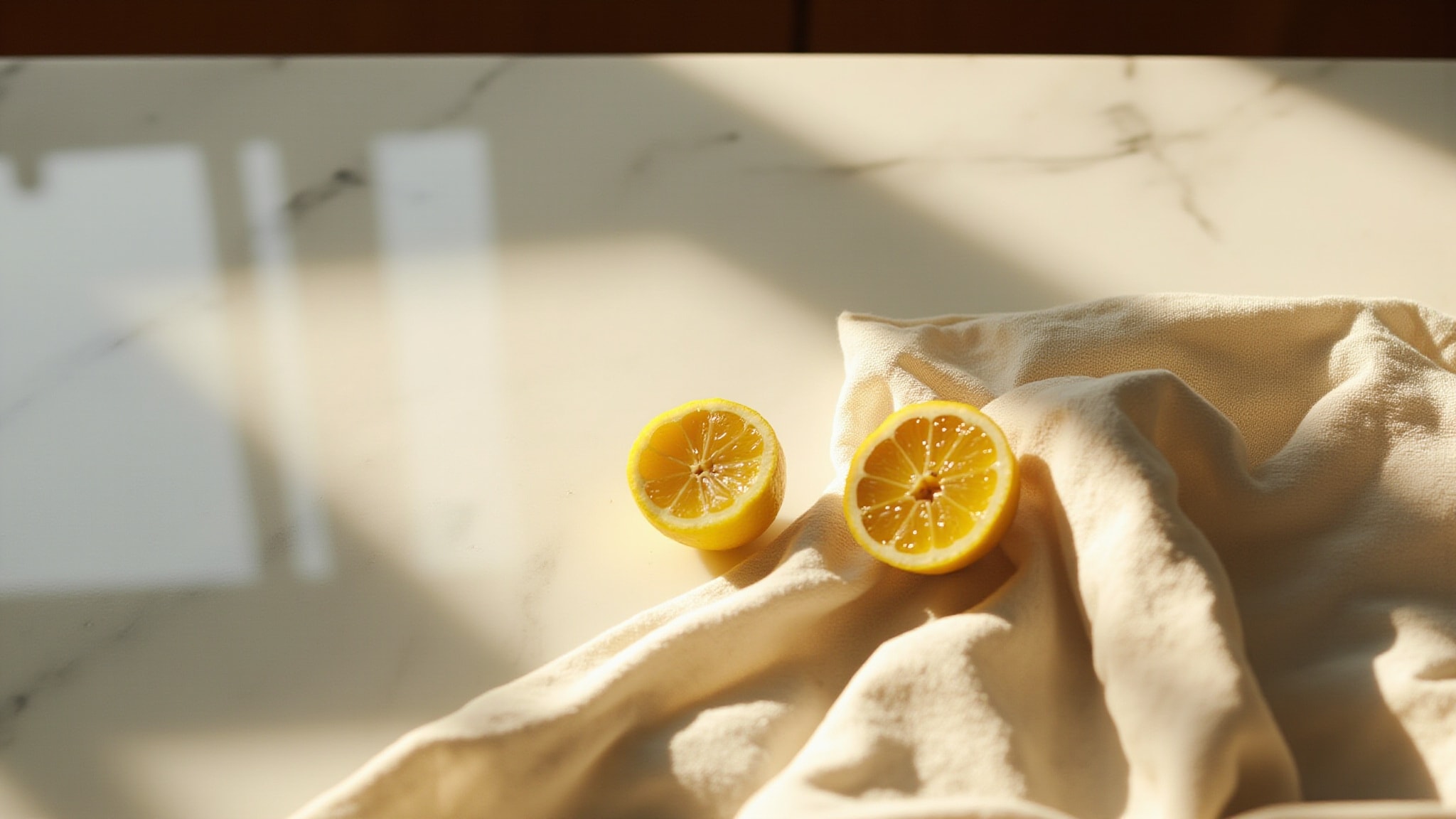
The opening arrives fast. Lemon zest, mandarin, a spike of ginger flower, bright, tart, immediate. Fig leaf is there too, lending a green undertone that prevents the citrus from reading as cleaning product. It smells like the first course, not the dessert. Thirty minutes in, the almond enters. It doesn't rush the jasmine, the two arrive together, marzipan warmth and white floral cream, a heart that smells edible without being sweet. The transition is seamless. No gap. No reset. The citrus doesn't fall away so much as dissolve, absorbed into the warmth beneath it. By hour three, vanilla and tonka bean have taken over. This is the payoff. Warm, slightly resinous, with the tonka doing that thing where it smells like vanilla but more complex, hay, tobacco, a whisper of something bitter. Sandalwood keeps it grounded. The sillage moderates to intimate, the projection settles close to the skin. By hour six, it's skin-warm and quietly present. On fabric, it lasts until the next morning, that faint, sweet warmth on a shirt you didn't expect to still smell like anything.
Cultural impact
Rubia Sucrée occupies a specific corner of the niche market: Italian-made sweet-citrus that refuses to be precious. The 2017 release drew comparisons to the house's Voile Confit for sharing an almond DNA, but pushes further into gourmand territory, fuller, warmer, more declarative. Wearers describe it as the fragrance for someone who wants to smell approachable without smelling ordinary. It's sweet that invites rather than overwhelms.