
The Story
Why it exists.
The beginning
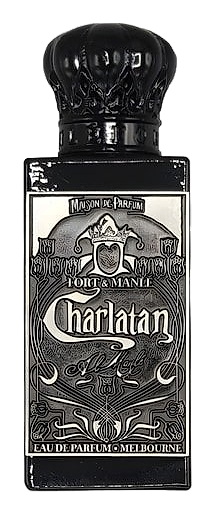
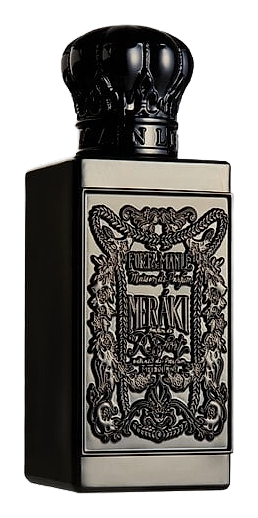
Fort & Manlé created Meraki as a dark homage to one of perfumery's most legendary ghosts: Nombre Noir by Shiseido. Discontinued under tragic circumstances, Shiseido allegedly destroyed every remaining bottle. Nombre Noir became the fragrance no one could smell but everyone wanted to remember. Rasei Fort owns a sealed, original bottle. He hasn't opened it. So instead, he made something new. Meraki takes its cue from that sealed bottle, the osmanthus, the fruity florals, the aldehydic warmth, and builds a living fragrance from those bones. Not a recreation. A continuation. The name carries its own weight: from the Greek meraki, meaning to do something with soul, creativity, or love. To put yourself into your work.
The aldehydes are the tell. They anchor Meraki to a vintage tradition, the kind of lift and sparkle that made 20th-century perfumery feel like something other than pleasant accident. Here, they don't apologize for their age. They frame the osmanthus, that small orange-blossom flower that smells like apricot jam and autumn. Rasei Fort leans into what Nombre Noir promised but few could access: the osmanthus heart. Meraki makes it the whole argument.
The evolution
The opening announces itself immediately, aldehydes first, that fizzy lift that either grabs you or doesn't. Underneath, apricot and peach arrive warm and close, sweetened by honey but never cloying. A bright citrus note keeps the top accord lively before it settles. Then the hand-off. The aldehydes settle. The osmanthus emerges like something arriving late to a party it was always meant to attend, apricot-floral, honeyed, intimate. Jasmine and rose expand the heart without overwhelming it. The florals feel lived-in rather than freshly arranged, as if they've been on skin for hours rather than minutes. By the time the base arrives, cedarwood and sandalwood ground everything. Patchouli adds earth. Musk and ambergris, that faint animalic salt, keep the skin-warmth going. The drydown stays close, intimate, never filling the room but impossible to ignore if someone leans in.
Cultural impact
Meraki occupies a specific corner of niche perfumery: the aldehydic floral that pays tribute to something lost without becoming a museum piece. It is not trying to please everyone. It is trying to be true to something, the idea of Nombre Noir, the osmanthus flower, the soul that goes into making a fragrance when you are doing it for yourself and the few who understand. The aldehydes are not retro for retro's sake. They are here because they belong, because they do something no other chemical family can do, lifting florals into a space that feels both timeless and immediate.