The Story
Why it exists.
The beginning
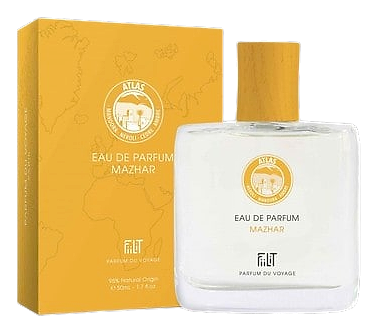
Mazhar takes its name from a lost oasis in Morocco's Atlas Mountains, a place where the landscape shifts between sun-baked stone and hidden valleys. The 2018 release translates that specific geography into a bottle: four citrus materials in the top layer, a single concentrated heart note, and two base components. It's a minimal structure by design, built around the idea that place can be smelled, not just remembered. The fragrance opens with bright, sun-drenched citrus that captures the intensity of high mountain air. There's a clarity to the top notes that feels both expansive and intimate, like standing in open terrain where the sky meets the earth.
The dominance of neroli and orange blossom in Mazhar isn't incidental, these are the aromatic signatures of Mediterranean perfumery, materials with centuries of cultural weight in North Africa and the Levant. What makes this composition distinctive is its refusal to complicate what doesn't need complicating. Four citrus elements open, one floral heart anchors, two base materials settle. The tonka bean adds a quiet sweetness that extends wear time; the cedar keeps everything grounded without overwhelming the floral clarity. This is natural perfumery that trusts its materials, 95% natural, no elaborate pyramid required.
The evolution
The opening arrives quickly: mandora, bitter orange, petitgrain, and neroli all present at once, a concentrated burst of citrus oils that reads sharp and immediate. Petitgrain recedes as time passes, allowing neroli to soften the remaining citrus. The heart phase belongs to orange blossom, sweet and heady, almost indolic at its peak. The citrus doesn't disappear entirely but moves into the background beneath the floral warmth, creating a rich center. The drydown introduces tonka bean's coumarin warmth and cedar's quiet woodiness. Cedar persists longest on skin, with tonka bean contributing its soft sweetness throughout. A fragrance that stays close, present without announcing itself.
Cultural impact
Neroli and bitter orange carry centuries of Mediterranean heritage into modern perfumery. Neroli takes its name from the Italian princess of Nerola in the 17th century, who popularized the use of orange blossom water among Roman aristocracy. Bitter orange trees, native to Southeast Asia and introduced to the Mediterranean by Arab traders, became central to the fragrant traditions of Morocco and Andalusia. Petitgrain, distilled from the leaves and twigs of bitter orange, originated in Paraguay but found its spiritual home in French perfumery. These three notes share a common thread in the olfactory traditions of North Africa and Southern Europe, where orange groves have shaped landscape and culture for generations.