The Story
Why it exists.
The beginning
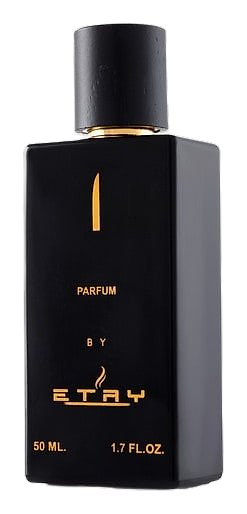
Etry launched in 2017 with a radical premise: new fragrance every month, each one stripped to its core. The brand released a string of single-letter and single-digit names, K, Zin, Theh, 2, 3, 4, treating each letter as a proposition, not a label. 1 arrived as the series opener, named for its position in the lineup rather than any particular inspiration. The brief was implicit: one fragrance, three materials, no apology for simplicity.
What makes oud, leather, and amber hold together isn't balance, it's restraint. Each material does exactly one thing. Oud brings resinous depth. Leather provides the tactile anchor. Amber finishes warm and close. There are no supporting players, no modifiers to soften the edges. The composition asks: can a single ingredient sustain an entire experience? In this case, the answer is yes, and the leather is what keeps it from becoming a one-note exercise.
The evolution
The opening hits dark and resinous. The oud announces itself without fanfare, smoke threading through the composition rather than overwhelming it. Not polished. Not harsh. Worn leather, like the inside of a jacket that's been borrowed one too many times. The amber takes longer to surface, settling close to skin as the other notes thin. The drydown whispers. Then silence.
Cultural impact
Minimalism in perfumery has always existed as a counterargument to the industry's appetite for complexity. Etry's model, single notes, monthly releases, alphanumeric naming, made that argument literal. 1 represents the stripped-back end of the spectrum, where even the name refuses to suggest what the fragrance contains. Whether that reads as confidence or evasion depends on the wearer.