The Story
Why it exists.
The beginning
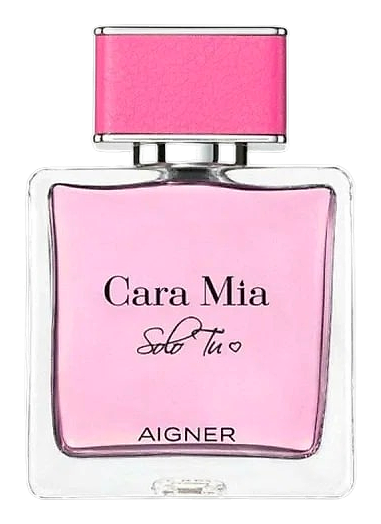
The name says everything. Cara Mia Solo Tu translates to 'my dear, only you', Etienne Aigner's 2018 declaration for someone who earned devotion rather than demanded it. The fragrance is floral at its core, built around jasmine sambac that brings its full, almost indolic richness to the heart, tempered by violet that keeps it powdery and contained. Peony lightens the bouquet, giving it air and preventing any hint of heaviness. The composition settles into a base of cashmere wood, which brings warmth without weight, softness that lingers rather than fades. It's a scent that works on skin rather than announcing itself to a room.
The white florals do the heavy lifting here, but not in the way you'd expect. Jasmine sambac brings its full, almost indolic richness to the heart, yet the violet keeps it powdery, contained. Peony lightens it, gives it air. The base is anchored by cashmere wood, which brings warmth without weight, softness without fade. It simply settles into the skin rather than projecting outward. Cashmere wood makes this work on skin rather than in a bottle.
The evolution
The opening arrives quickly, mandarin orange and peach tumbling over each other with the cheerful chaos of fruit at a market stall. Pink pepper prickles at the edges, reminding you this isn't just sweet. Within twenty minutes, the florals take command. Jasmine sambac blooms first, thick and creamy, then peony softens it, and violet ties everything together with that cool, powdery thread. The drydown doesn't announce itself. It simply persists, cashmere wood warming against skin, sandalwood adding its milky bass note, the whole composition settling into something intimate and close. The sillage stays moderate. People will notice when they're near, not across the room.
Cultural impact
The fragrance landscape was crowded with safe florals and tropical fruit explosions. Cara Mia Solo Tu offered something slightly different, a powdery floral that wore its sweetness with restraint. The jasmine-violet combination is distinctive, and the cashmere wood base elevates it above typical fruity-floral territory.