The Story
Why it exists.
The beginning
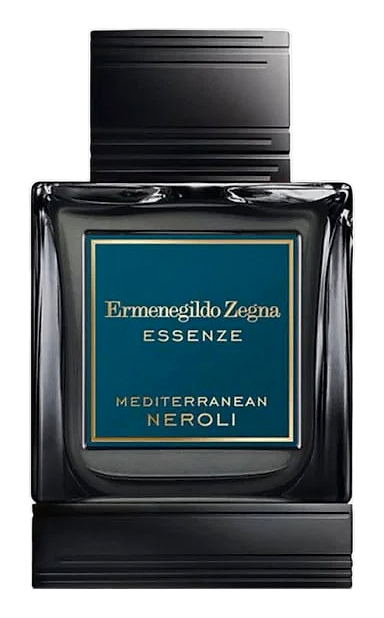
Mediterranean Neroli arrived in 2019 as part of Ermenegildo Zegna's Essenze collection, a line that translates the house's textile sensibility into scent. The Mediterranean Neroli composition reads as a study in contrasts: the white-flower brightness of neroli tempered by the herbal bitterness of tarragon, then grounded in a resinous base of frankincense and benzoin. The opening is crisp and almost green, the way neroli can feel when it first lands on warm skin, before the herbal tarragon edges in to cool things down and add a slightly savory, anise-tinged layer that keeps the citrus from feeling like a simple cologne.
What makes this composition worth pausing on is the tension between neroli's reputation and what actually arrives. Neroli fragrances tend to lean aquatic, soapy, or sharply green, pleasant but rarely substantial. Mediterranean Neroli refuses that trajectory within the first thirty minutes. Tarragon introduces an anise-edged bitterness that reframes the neroli as something grown, not processed. Saffron arrives next, adding a dry, leathery warmth that the neroli alone could never carry. Labdanum, a resin often buried in amber compositions, gets space to speak here, contributing the dark, slightly animalic undertone that makes the drydown read as something an old church might smell like after centuries of incense.
The evolution
The first ten minutes are almost confrontational in their brightness. Neroli hits the nose with full presence, green and slightly bitter, the tarragon threading through it like an herb stalk pulled fresh from the garden. The neroli doesn't fade so much as transform, its white-flower sweetness absorbed by the saffron and labdanum that rise to meet it around the thirty-minute mark. The heart phase reads warmer, denser, almost golden. Saffron's dry warmth pairs with labdanum's dark resin to create something that smells closer to old wood than fresh blossom. Around the two-hour mark, frankincense begins to surface, not as a churchy blast but as a quiet, mineral smoke. Benzoin follows, adding a faint vanilla sweetness that never crosses into gourmand territory. By hour four, what's left is a skin-close blend of incense and warm resin. The neroli is gone but its ghost remains, a floral memory underneath the smoke. At hour eight, the fragrance is still detectable to someone standing close enough to matter.
Cultural impact
Mediterranean Neroli occupies an unusual position in the neroli category, a composition that balances bright citrus with herbal and resinous elements rather than relying on a simple citrus burst. The fragrance stands out for how it handles the neroli note, surrounding it with tarragon, saffron, and labdanum in the heart, then anchoring everything in a base of frankincense, benzoin, and sandalwood. This layering gives the scent more presence than many citrus-forward options, which tend to fade quickly.