Mediterranean neroli
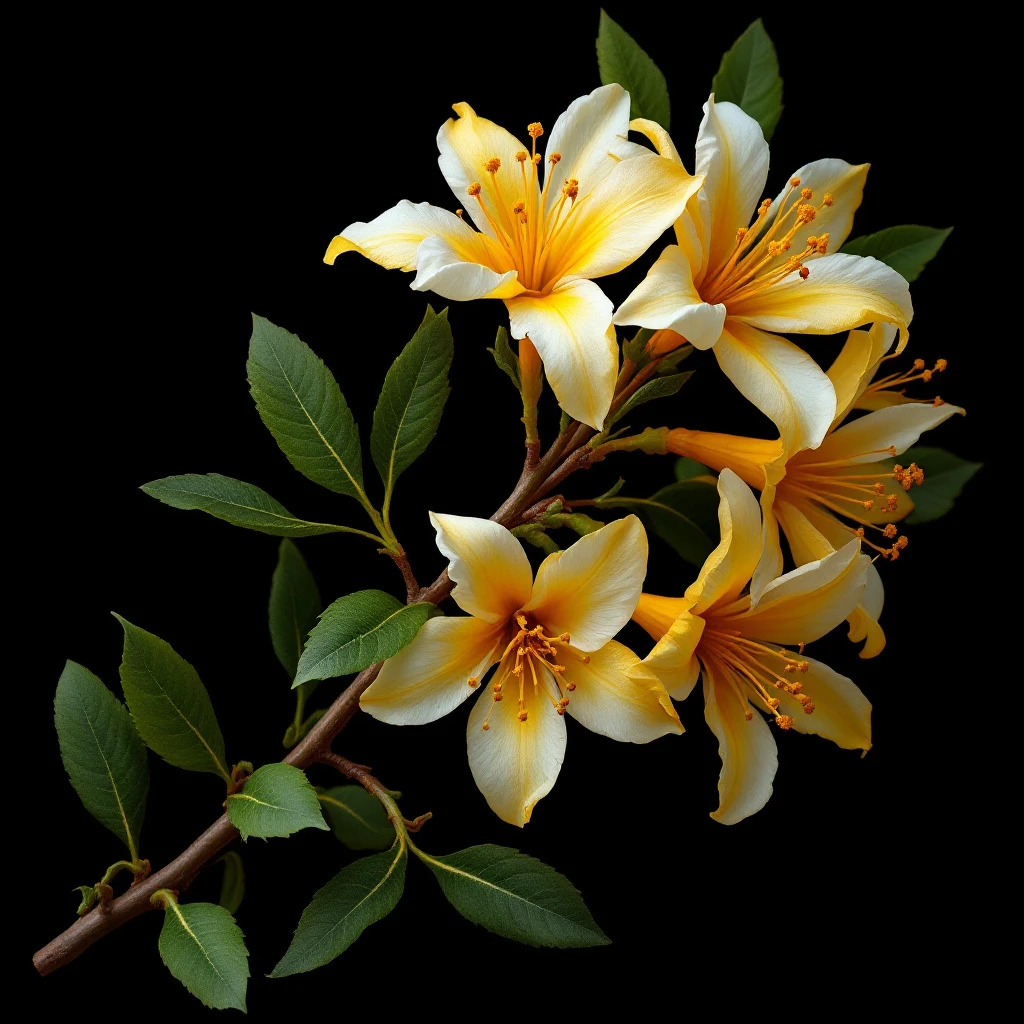
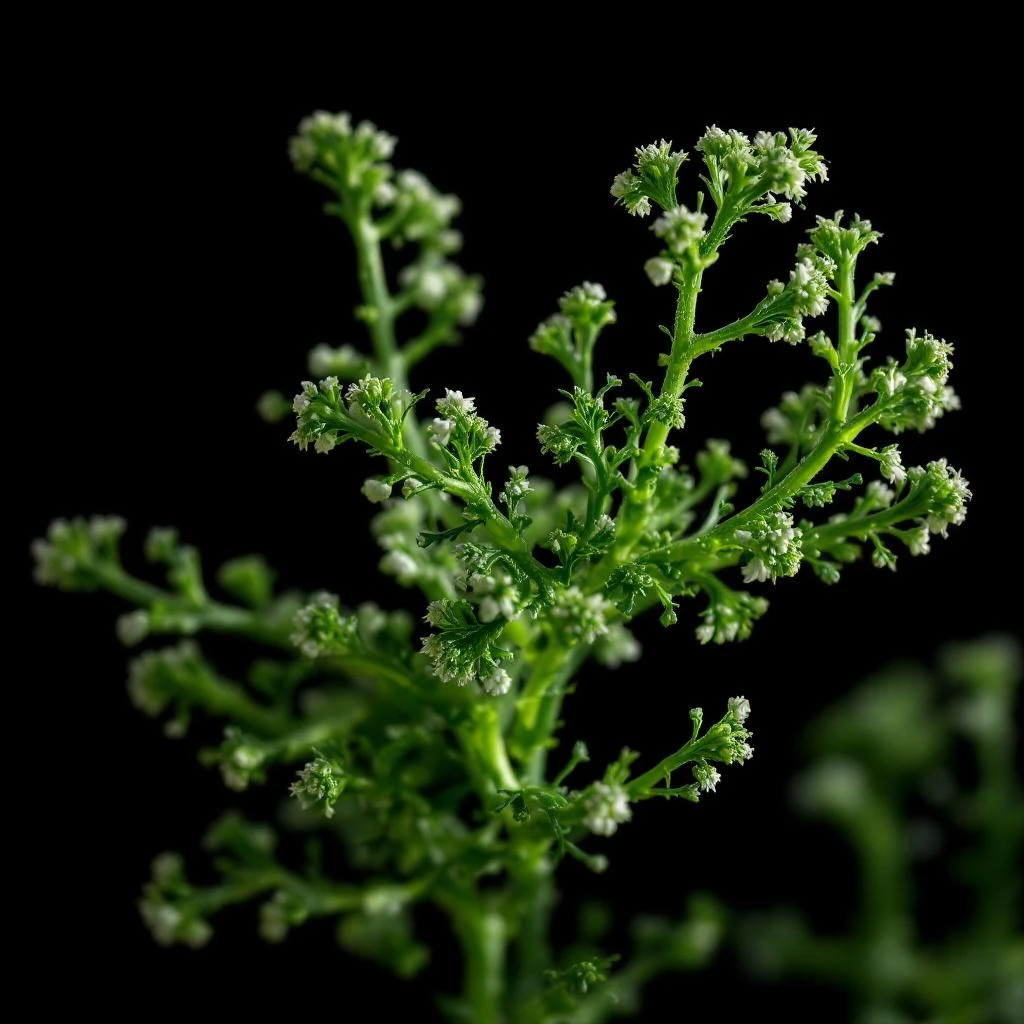
Mediterranean neroli captures the sun-drenched elegance of bitter orange blossoms cultivated along the Mediterranean basin, releasing a radiant floral scent with honeyed, slightly animalic depth.
Character
How it smells
The queen of orange blossoms, Mediterranean-grown.
A single kilogram of neroli requires approximately one tonne of bitter orange blossoms, making it among the most flower-intensive essential oils produced.





Origin
Morocco
Neroli traces its name to a 17th-century Italian noblewoman, Anne Marie Orsini, Princess of Nerola, a town near Rome. She was so enchanted by the scent of bitter orange blossoms that she wore them in her hair, gloves, and bathwater, igniting an aristocratic fashion across Italy and eventually France.
Louis XV of France was so taken with the note that he had his court at Versailles perfumed with neroli, and it became a signature of French perfumery during the 18th century. The bitter orange tree itself predates this fascination considerably: it originated in Southeast Asia, spread through the ancient Arab world, and arrived in the Mediterranean via trade routes by the 12th century.
The orange blossom gardens of Seville, the Amalfi Coast, and the Moroccan interior carry centuries of cultivation history, transforming what was once a royal indulgence into one of perfumery's most treasured natural materials. Today the note carries that dual legacy: an ancient floral with centuries of Mediterranean culture embedded in its scent.
Wears it best
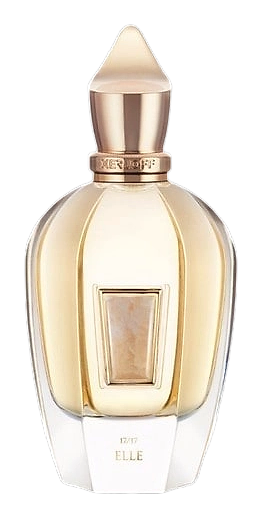
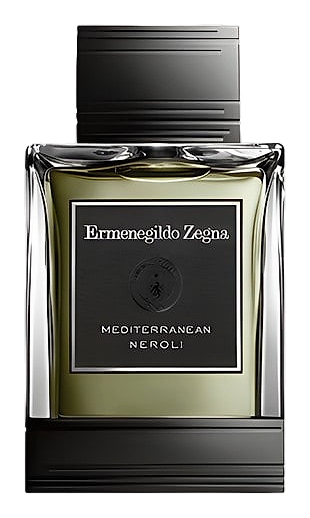
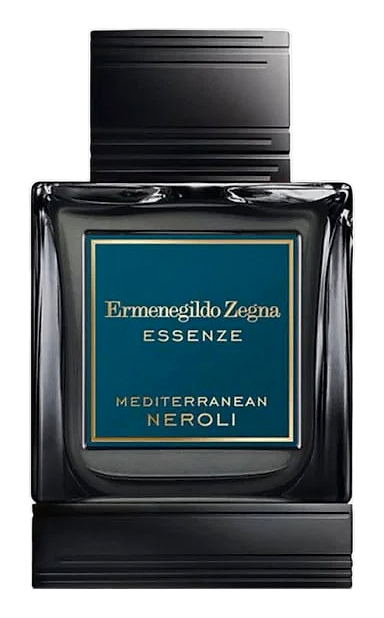
Fragrances featuring Mediterranean neroli
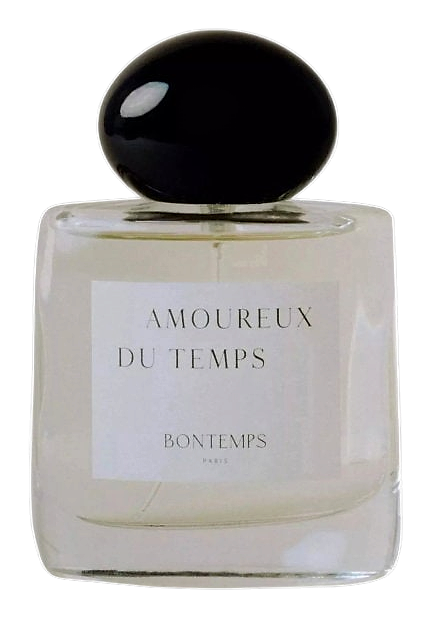
Brands
Brands known for Mediterranean neroli
Good to know
Questions, answered
The essentials on Mediterranean neroli in perfumery: how it smells, where it comes from, and how it behaves on skin.
What does Mediterranean neroli smell like?
Mediterranean neroli is intensely floral with radiant, honeyed sweetness layered over a warm, slightly animalic base. Citrus freshness and green undertones keep it bright, while a creamy, almost indolic depth adds complexity rare among citrus florals.
How is neroli different from regular orange blossom?
Neroli specifically refers to the essential oil obtained by steam distillation of orange blossoms. Orange blossom absolute, by contrast, uses solvent extraction, which yields a richer, deeper material with different chemical composition and scent profile.
Where does Mediterranean neroli come from?
Morocco and Tunisia supply more than 90 percent of the world's neroli oil. Mediterranean-sourced neroli from these regions is prized for a distinct terroir character shaped by North African growing conditions and centuries of cultivation.
What extraction method produces neroli oil?
Steam distillation is the sole method used to produce neroli essential oil. This process also yields orange flower water, a aromatic hydrosol with its own fragrance and cosmetic applications.
Which part of the bitter orange tree is used for neroli?
Only the fresh blossoms of the bitter orange tree, Citrus aurantium var. amara, are used. Unlike petitgrain (also from this tree), neroli does not come from the leaves, twigs, or fruit.
Why is neroli so expensive?
Neroli requires roughly one tonne of bitter orange blossoms to produce a single kilogram of essential oil. Hand-harvesting the delicate flowers during a short spring season and the low yield per flower contribute to its premium status.
What fragrances pair well with Mediterranean neroli?
Neroli behaves as both a top and heart note, harmonizing readily with citrus, white florals, and green accords. It forms a natural bridge to woody or ambery bases and is frequently paired with jasmine, bergamot, and vetiver.
Is neroli historically significant in perfumery?
Neroli takes its name from 17th-century Princess Anne Marie Orsini of Nerola, near Rome, who popularized the scent across Italian and French courts. By the 1700s, neroli had become a staple of French perfumery, including legendary court scents at Versailles.